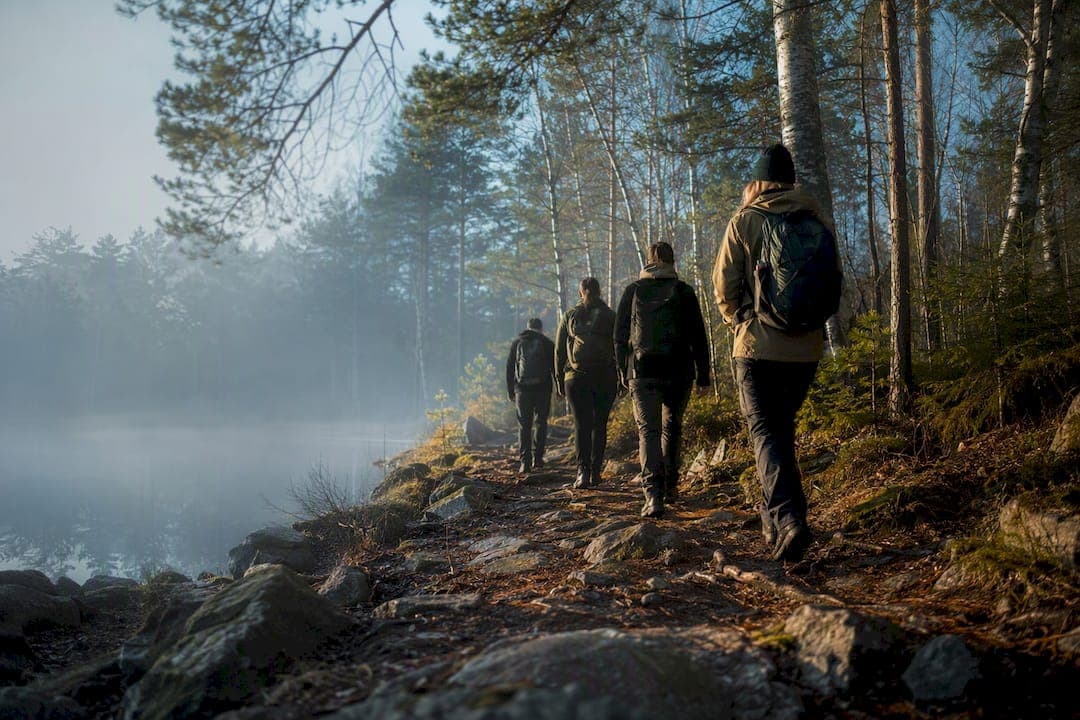
A training retreat in nature combines structured movement, yoga and breathwork with genuine wilderness immersion, usually over a weekend or a week. It suits groups, couples and solo travellers of mixed fitness, provided the organiser scales sessions to ability. If you are weighing options, the next sensible step is checking formats, dates and the ratio of guided activity to unstructured rest before you book.
TL;DR:
- Nature-based training retreats vary in intensity, with options for all fitness levels, provided activities are scaled and modifications are clearly offered.
- The schedule balances high-intensity sessions like trail hikes and strength circuits with restorative practices such as yoga, sauna, and cold-water immersion.
- Booking well in advance is crucial in peak season, especially for private whole-house rentals, which often offer better value than open retreats with per-person pricing.
- Proper packing, including layered clothing and safety measures for outdoor activities, is essential, especially for cold-water routines and season-sensitive conditions.
- Private retreats like Villa Sakis provide full privacy, flexibility, and tailored recovery options, making them ideal for groups seeking control over their training and rest schedule.
Table of Contents
- What to expect from a träningsretreat i naturen
- Who can join, and how retreats adapt for fitness levels
- How to choose the right nature training retreat
- What a sample retreat schedule actually looks like
- Packing, safety and seasonality for outdoor retreats
- What practical proof looks like at Villa Sakis
- Booking timelines and what actually drives the price
- How sustainable is a nature-based training retreat?
- Author's perspective: guided retreat or self-organised stay?
- Sources
- FAQ
What to expect from a träningsretreat i naturen
The best nature-based training retreats borrow from a simple idea: the ground itself is the gym. Wildfitness practitioners build sessions around natural movement, meaning walking, climbing and balancing on uneven terrain rather than repeating drills on a flat studio floor. That variation trains coordination in ways a treadmill never will, and it tends to leave people calmer rather than merely tired.
Expect a rotating cast of activities:
- Yoga at sunrise or sunset, often on decking or open meadow
- Guided hikes and occasional trail running through forest or fell
- Strength and HIIT circuits using bodyweight or simple equipment
- Breathwork and meditation sessions, sometimes paired with journalling
- Cold-water immersion (kallbad) followed by sauna recovery
Formats vary widely. A weekend retreat compresses everything into two intense days; a week-long stay allows progressive training and proper recovery. Some retreats run in silence, others are social and activity-led. Private-group bookings differ from open retreats where strangers share a programme. Most days follow a rhythm: morning movement, a rest or solo block, an afternoon session, then evening recovery, whether that's a sauna, a slow dinner or quiet reading by the fire.
Who can join, and how retreats adapt for fitness levels
You do not need to be an athlete to benefit from this kind of retreat. Most programmes are designed for mixed groups, offering parallel options so beginners and seasoned trainers can take part in the same event without either group being short-changed.
Before booking, check three things:
- Intensity markers in the programme. Look for phrases like "options provided" or "modifications available" rather than a single fixed workout.
- Required prior experience. A hiking retreat that expects six hours a day on rough terrain will say so; if it doesn't mention distance or terrain, ask.
- How instructors handle mixed ability within one session. Good retreats run tiered paces for hikes and offer low-impact alternatives for HIIT blocks.
Pro Tip: Treat the phrase "for all levels" with healthy scepticism unless the itinerary actually names an easier alternative for each activity. A retreat that only ever describes itself as "elite" or "advanced" without mentioning adaptations is telling you something important about who it's really built for.
How to choose the right nature training retreat
Choosing well comes down to matching the practical details against what you actually need, not just the photos on the booking page.
Run through this checklist before committing:
- Instructor credentials and their experience with mixed-ability groups
- Group size and the guest to guide ratio
- What meals are included, and whether dietary needs are catered for
- Accommodation standard: shared dorms, private rooms, or a whole house
- Cancellation policy and whether medical disclosure is required at booking
- Equipment provided versus what you need to bring yourself
Ask the organiser directly:
- What is included in the price beyond the sessions themselves?
- How are workouts adapted for different fitness levels?
- What is the guest to guide ratio during hikes and strength sessions?
- Are cold-water and sauna practices supervised, and by whom?
- How far is the nearest train station or transport hub?
Price is shaped by several factors: length of stay, whether accommodation is shared or private, the guide to guest ratio, and how remote the location is. A whole-house rental split between a group of friends often works out more cost-effective per person than an open retreat with per-head pricing, particularly once you factor in catering. Wilderness Within's Fjällnäs programme is a useful benchmark here, since it publishes transparent pricing alongside its schedule, letting you compare like for like. If budget is the deciding factor, our breakdown of wellness retreat costs for private whole-house bookings is worth reading before you commit to any single format.
What a sample retreat schedule actually looks like
Seeing a real timetable makes the abstract idea of "structure and rest" concrete. A typical weekend might run:
- Friday: arrival, orientation walk, light dinner
- Saturday: morning yoga, mid-morning strength session, guided hike after lunch, sauna and cold dip before dinner
- Sunday: gentle movement, restorative yoga, departure after brunch
A week-long stay allows for genuine progression rather than a single intense burst:
- Days 1 to 2: settling in, moderate sessions, orientation to the terrain
- Days 3 to 5: progressive training intensity, one long excursion day (a full-day hike or extended trail session)
- Day 6: planned recovery day with sauna, sleep and unstructured time
- Day 7: integration, light movement, departure
Wilderness Within's own retreat design blends high-intensity blocks with restorative practices like yoga, sauna and cold dips deliberately, to balance stimulus against recovery rather than stacking effort on effort. Experienced organisers build buffers into every day for exactly this reason: rigid, fully-booked itineraries tend to produce exhausted guests by day four, while schedules with breathing room let the training actually land.
Packing, safety and seasonality for outdoor retreats
What you pack determines how much you enjoy the parts of the retreat that happen outside the yoga mat. Layering matters more than any single "technical" garment, since Swedish forest weather can shift several degrees within an afternoon.
Pack for the conditions, not just the activities:
- Layered clothing: moisture-wicking base, insulating mid-layer, waterproof shell
- Sturdy trail shoes with good grip for uneven ground
- Swimwear and a sauna towel for hot–cold recovery routines
- A torch or headlamp for early starts or late walks back from the sauna
- Any personal medication, clearly labelled, plus a note of relevant conditions for organisers
Cold-water immersion deserves particular respect. Sessions should be supervised, time-limited and never attempted alone, especially outside summer months when water temperatures drop fast. Declare any heart or circulation conditions before booking, since combining sauna heat with cold plunges puts real strain on the cardiovascular system even for otherwise fit guests. Ask about insurance coverage and how the venue handles medical emergencies given its distance from a hospital.
Seasonality shapes almost everything. Summer brings long daylight and warmer swimming; autumn and winter mean shorter days, icier trails and a much bigger reliance on the sauna for recovery. Remote venues often mean a drive or transfer from the nearest station, so confirm transport expectations well ahead of arrival.
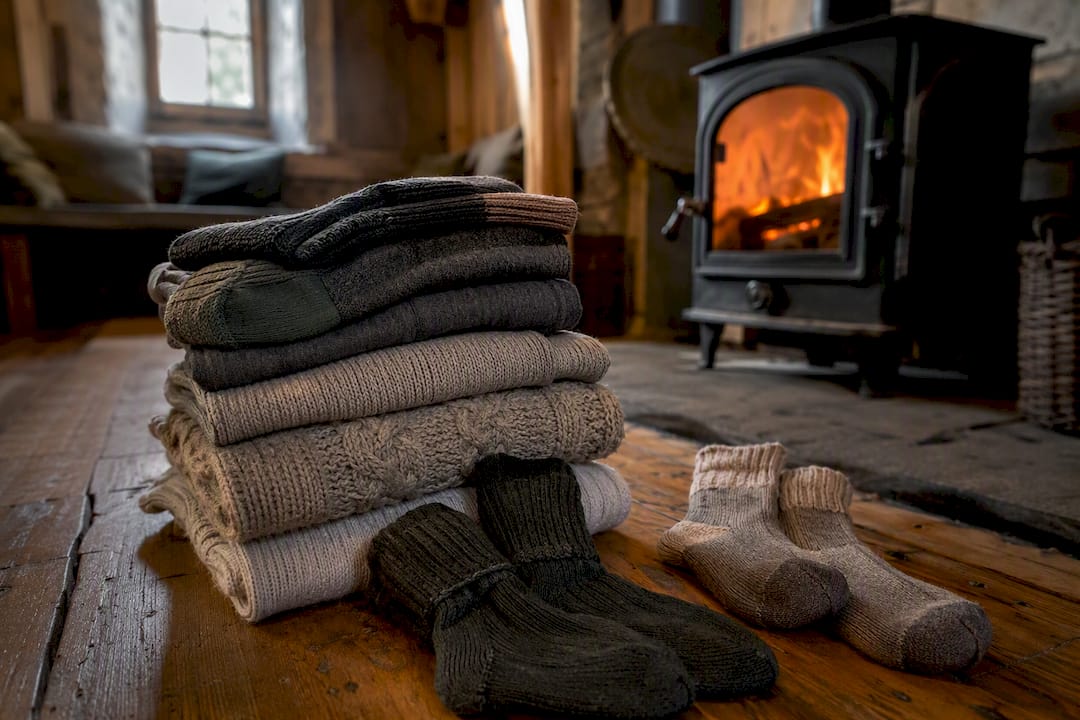
Pro Tip: Rustic retreat buildings rarely have modern climate control, so organisers rely on layered clothing, well-timed sessions and a genuinely warm common room. Ask what heating exists in shared spaces before you book a late-autumn stay.
What practical proof looks like at Villa Sakis
Good evidence for a retreat's suitability is not marketing copy. It is specific, checkable detail about the building, the schedule and the recovery infrastructure on offer.
At Villa Sakis, that detail includes a private sauna, direct lake and forest access, and a whole eighteenth-century timber house rather than shared dormitory rooms. Training a group in a house you have entirely to yourselves changes the dynamic: sessions can run at your pace, and practising yoga inside a genuine timmerhus brings a different quality of stillness than a hired studio ever manages.
The value of a private retreat house isn't just space. It's the freedom to build proper buffers into your own day, moving a hike if the weather turns, or extending sauna time after a hard strength session, without negotiating around a shared timetable.
Our own guide to the six checks worth making before booking a countryside training stay covers exactly the kind of due diligence this article recommends: guest ratios, cancellation terms and what's genuinely included. Pairing that with sauna-based recovery for athletes rounds out a picture of what considered, on-the-ground planning looks like rather than a brochure promise.
Booking timelines and what actually drives the price
Booking a nature training retreat well ahead of your preferred dates matters more in Sweden than in many destinations, largely because the peak season (roughly late May to August) fills quickly and remote venues have limited capacity by design. If you are organising a group, aim to lock dates three to six months out; for solo bookings on open retreats, six to eight weeks is often enough.
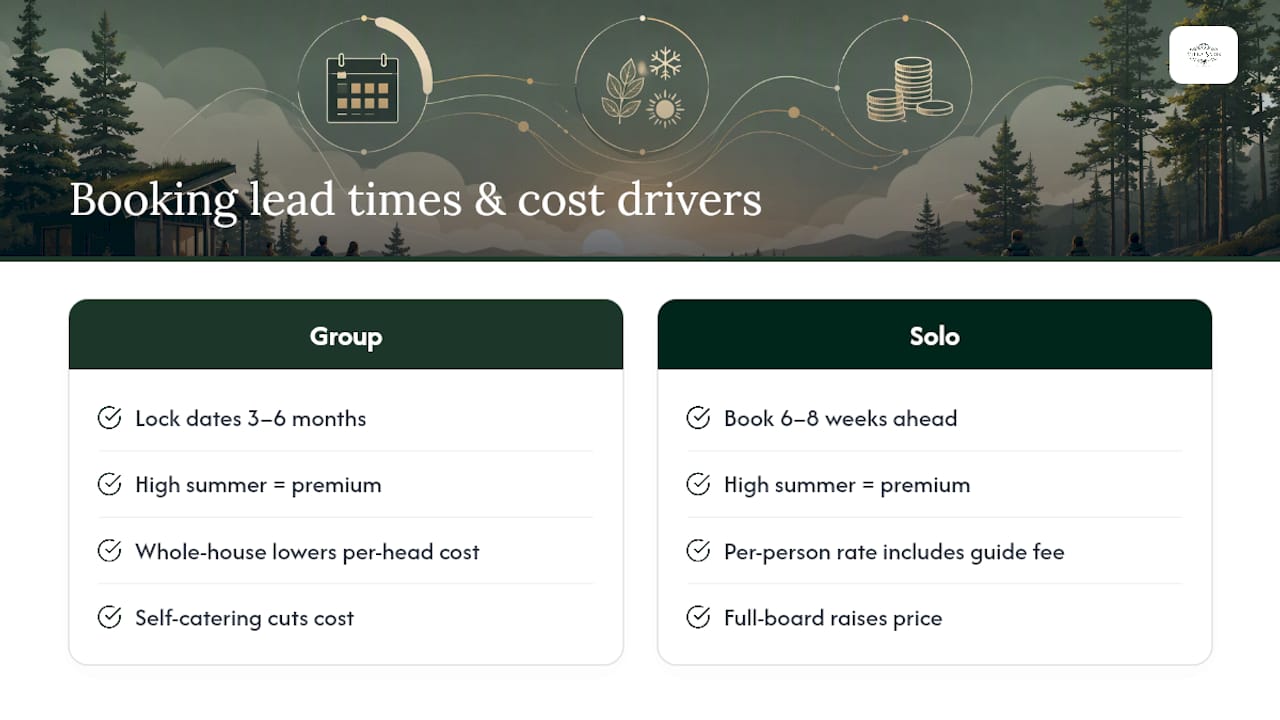
Price is driven by a handful of concrete factors rather than a flat rate per night:
Season. High summer commands premium pricing across most rural accommodation, while shoulder seasons (May, September) often bring lower rates with cooler but still pleasant conditions.
Group size and accommodation type. A whole-house rental split among six to ten guests typically costs less per head than an open retreat charging individually, since you are not also paying for someone else's guide fee built into the room rate.
What's included. Catering, guided sessions and equipment hire all add to the headline figure. Self-catering options, which a private house like Villa Sakis supports through its own kitchen, cut costs meaningfully compared with full-board open retreats.
Remoteness. The more isolated the venue, the higher the transport and logistics cost tends to run, though that same remoteness is usually the point.
A sensible approach is to request a full breakdown before booking: nightly rate, what's included, and any additional charges for guided sessions or sauna use. Our breakdown of costs for private whole-house retreats sets out typical ranges in more detail, and comparing that against an open retreat's published pricing, as Wilderness Within does for its Fjällnäs programme, gives you a fair like-for-like view before you commit.
How sustainable is a nature-based training retreat?
Retreats that genuinely respect their setting tend to leave a lighter footprint than conventional holidays, largely because the whole appeal depends on the landscape staying intact. That alignment of interest and impact is one of the quieter benefits of this kind of trip.
Smaller retreats and private-house bookings generally have an advantage here over large open-programme events. A whole-house stay means one heating system, one kitchen and one group, rather than the accumulated laundry, catering and transport of dozens of separate open-retreat guests moving through a venue on rotation. Choosing a place with a self-catering kitchen also cuts down on packaging and food waste that comes with full-board catering for large groups.
Look for practical signs of genuine care rather than a sustainability page full of general promises: local sourcing for meals, wood-fired rather than electric heating where the climate allows it, and honest acknowledgement of what a remote venue cannot avoid, such as the drive to get there. Svenska Turistföreningen's model of pairing outdoor activity with simple cabin or farmhouse accommodation reflects a broader Swedish tradition of low-impact nature stays that predates the wellness-retreat trend by decades.
Guided hikes and cold-water sessions carry their own environmental responsibility too. Sticking to established trails, respecting quiet hours near lakes, and leaving no trace after a sauna or swim session all matter more in a small forest ecosystem than they would in a large managed resort. A retreat organiser who briefs guests on this before the first hike is usually one who takes the setting seriously beyond the marketing.
Author's perspective: guided retreat or self-organised stay?
A facilitated retreat earns its cost when you want structure imposed on you: a coach setting the pace, a group holding you accountable, and a programme that removes decision fatigue entirely. That's genuinely valuable for people who train better under direction.
But a private whole-house rental suits a different, equally valid need: control over your own timetable, no negotiating shared space with strangers, and the flexibility to let a family group mix training with plain rest. This second case benefits from privacy and a self-catering setup that makes a self-run retreat practical rather than chaotic. Neither model beats the other outright. The honest question is whether you want someone else designing your days, or the freedom to design them yourself.
— Christian
Sources
- Fitness retreats in nature | Wildfitness
- Avkoppling och hälsa | Svenska Turistföreningen
- Retreat med yoga och vandring i Fjällnäs - Wilderness Within
Planning your own private retreat starts with the right space to hold it. Explore Villa Sakis, an eighteenth-century Swedish log farmhouse set among meadows and pine forest, offering whole-house privacy, a private sauna and direct lake access for groups who want to build their own training rhythm without sharing a timetable with strangers. Details on rooms and facilities are on the house page, and for a broader sense of what a stay in the Swedish countryside involves, see our guide to what to expect from a Swedish countryside vacation.
FAQ
Var kan man hitta en retreat i skogen?
Forest retreats in Sweden are typically found through small independent operators and private accommodation bookings in wooded regions such as Bergslagen and Småland, rather than through large hotel chains.
Var kan man hitta en tyst retreat i Sverige?
Silent or digital-detox retreats exist as a distinct format, often run over five to seven days, with operators reporting that deeper sleep and stress benefits tend to build from around day three or four of unstructured time in nature.
Vilka aktiviteter kan man göra i skogen?
Common forest-based activities include guided hiking, trail running, yoga, breathwork, strength or HIIT circuits on natural terrain, and cold-water immersion followed by sauna recovery.
Finns det hotell i skogen i Småland?
Småland has a mix of small forest-based accommodation, from simple cabins to private whole-house rentals, though many retreat-style stays in the region are run through independent bookings rather than conventional hotels.