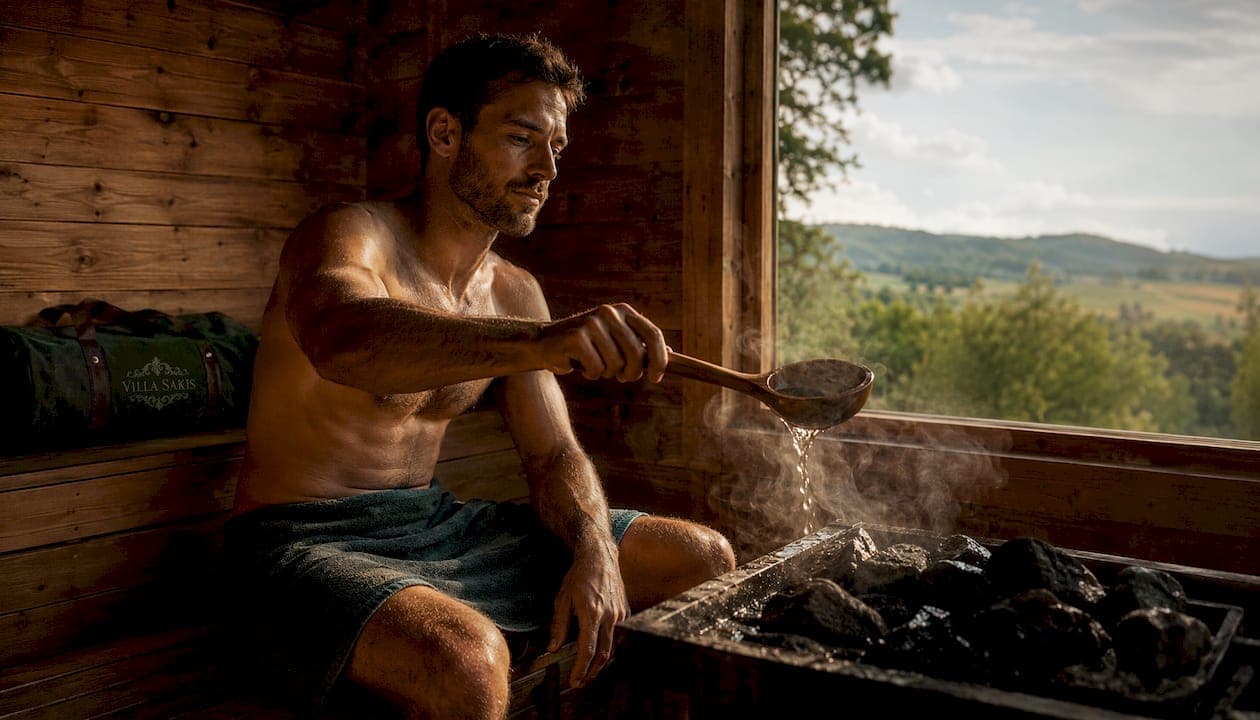
Regular sauna use is one of the most well-researched recovery tools available to athletes. A three-week post-workout sauna protocol increased time to exhaustion by 32% in competitive distance runners, linked to a 7.1% plasma volume expansion that improves oxygen delivery much like altitude training. The benefits extend well beyond endurance:
- Reduced DOMS: Dr. Jason Sonners explains that elevated blood flow post-exercise flushes inflammatory biochemicals that worsen delayed-onset muscle soreness.
- Cardiovascular adaptation: Consistent use over 3–4 weeks triggers plasma volume expansion and improved arterial compliance, adaptations comparable to aerobic training.
- Heat acclimation: Three weeks of post-exercise sauna bathing improved VO2max by roughly 8% in trained middle-distance runners.
- Hormonal recovery: Repeated sauna sessions can elevate growth hormone by up to 200%, accelerating tissue repair, particularly for strength athletes.
- Inflammation management: Dr. Samantha McKinney recommends sauna as part of a balanced recovery plan to protect against chronic inflammation and extend athletic healthspan.
Endurance athletes gain most from plasma volume expansion and heat acclimation. Strength athletes benefit more from the hormonal environment and CNS recovery that heat exposure promotes. Both types share the core advantage: sauna functions as a trainable stimulus, not merely a relaxation ritual.
How to integrate sauna use safely into your training
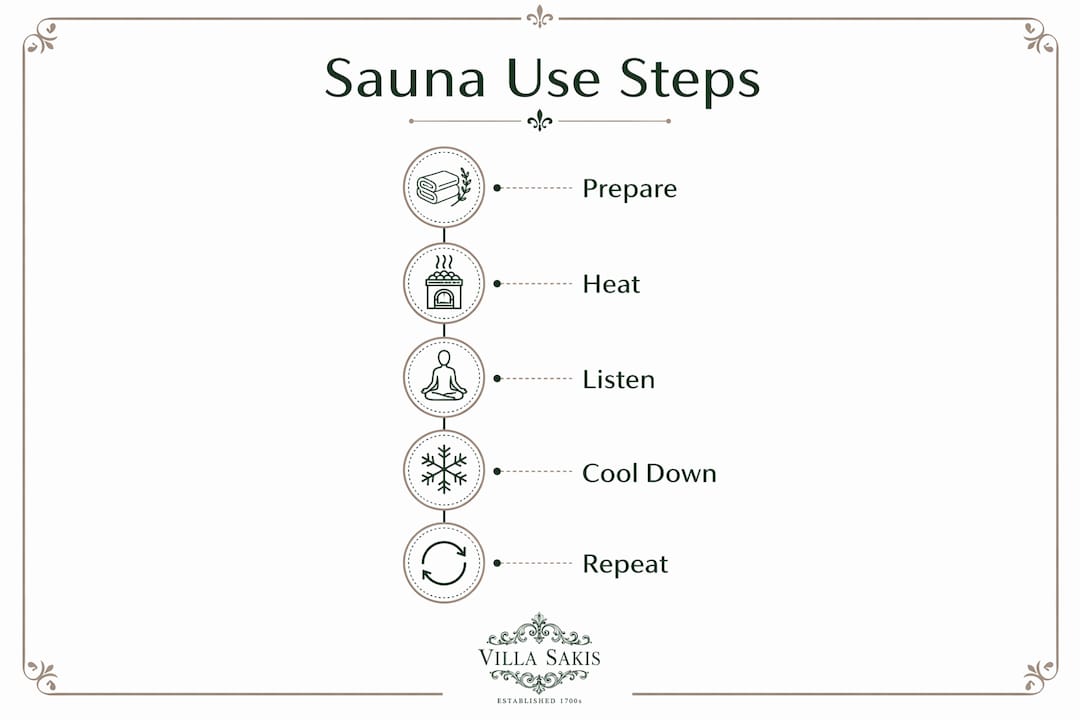
Timing is the variable most athletes get wrong. Sauna belongs after training, not before. Pre-workout heat elevates heart rate, depletes fluids, and reduces training quality. Post-workout is where the recovery signal amplifies.
Best practices for safe, effective use:
- Wait 2–4 hours after intense sessions, or schedule sauna on rest and light training days to minimize added physiological stress.
- Session duration: 15–20 minutes at a core temperature of 101–102°F delivers the most benefit without diminishing returns.
- Hydrate before and after: bring water into the session if needed, and replenish electrolytes after hard training days.
- Avoid sauna when depleted: research published in the International Journal of Sports Physiology and Performance cautions that sauna after exhausting exercise can act as an additional stressor, slowing rather than aiding recovery.
- Complement with other modalities: massage, gentle stretching, and cold exposure each address different recovery pathways. Sauna works well alongside them, not instead of them.
- Contraindications: cardiovascular conditions, pregnancy, and acute illness require medical clearance before sauna use.
Pro Tip: Your body's signals matter more than a timer. If you feel lightheaded or unusually fatigued, exit the sauna early. Consistency over weeks produces the adaptation, not any single session.
What a sauna retreat at Villa Sakis feels like
There is a particular quality of stillness that settles over the Bergslagen countryside in the early morning, when pine forest meets open meadow and the air carries the faint scent of birch. Villa Sakis, a historic Swedish log farmhouse built in the 1700s and cared for across generations, holds that stillness in its timber walls.
"The physiological responses of trained endurance athletes are moderately impacted by passive sauna use. Individual changes could be correlated with endurance performance." — Journal of Functional Morphology and Kinesiology, 2025
For athletes, the setting matters as much as the heat. Mental recovery, stress reduction, and genuine rest are not soft additions to a training plan. They are the conditions under which physical adaptation actually takes root. Villa Sakis offers a private sauna alongside lake access, forest paths, and meadows that invite the kind of slow, unhurried movement that complements hard training weeks. The timber rooms are honest and warm, without distraction.
Guests arrive carrying the accumulated fatigue of months of training and leave with something quieter restored. That quality of restoration is not incidental to the place. It is what the place was built for.
Planning your sauna wellness retreat
A few practical steps make the difference between a restorative trip and a disorganized one:
- Align timing with your training cycle. Schedule the retreat during a planned recovery week or taper period, when reduced training volume makes space for deeper rest.
- Book Villa Sakis early. The farmhouse accommodates a small number of guests at a time, which is precisely what makes it restorative.
- Pack light but purposefully: quality hydration vessels, electrolyte supplements, and comfortable layers for cool Swedish evenings.
- Plan sauna sessions for late afternoon or evening, after any light movement or forest walks, to let the heat work with your body's natural wind-down rhythm.
- Use the surrounding landscape actively. A morning walk through the Bergslagen forest or a quiet hour by the lake supports recovery as meaningfully as the sauna itself.
- Eat well and simply. Whole foods, adequate protein, and consistent hydration before and after each sauna session keep the recovery process moving.
Why this setting suits athlete recovery so well
The science of sauna recovery is clear, and the setting at Villa Sakis deepens it. Heat-induced plasma volume expansion, inflammation reduction, and hormonal recovery all require one thing the modern training environment rarely provides: genuine rest. The historic Swedish countryside, with its forests, open water, and unhurried pace, creates the conditions where that rest becomes possible. Expert voices from Dr. Sonners to Dr. McKinney point toward the same conclusion: sauna works best as part of a thoughtful recovery culture, not as a rushed add-on. Villa Sakis embodies that culture in its oldest, most restorative form.
Villa Sakis: where athletic recovery finds its setting
Athletes who have spent weeks pushing their limits deserve a place that asks nothing of them in return.

Villa Sakis offers whole-house accommodation in an 18th-century Swedish log farmhouse, with a private sauna, lake access, and direct entry into pine forest and open meadow. It suits athletes planning a recovery retreat between training blocks, travelers seeking a slower and more restorative kind of trip, and anyone who wants the physiological benefits of regular sauna use woven into days of genuine quiet. The farmhouse is private, unhurried, and rooted in a landscape that has been restoring people for centuries. Book your stay and arrive ready to rest.
Key takeaways
Sauna is a scientifically validated recovery tool that, when timed correctly and practiced consistently, improves endurance, reduces muscle soreness, and supports long-term athletic health.
| Point | Details |
|---|---|
| Post-workout timing | Sauna after training amplifies recovery; pre-workout use depletes fluids and reduces performance. |
| Endurance gains | A three-week post-workout sauna protocol increased time to exhaustion by 32% and expanded plasma volume by 7.1%. |
| Session parameters | 15–20 minutes at a core temperature of 101–102°F delivers benefits without added risk. |
| Caution when depleted | Sauna after exhausting exercise can slow recovery; hydration and energy status must be adequate first. |
| Villa Sakis | A private 1700s Swedish log farmhouse with sauna, lake, and forest access, suited to athletic recovery retreats. |