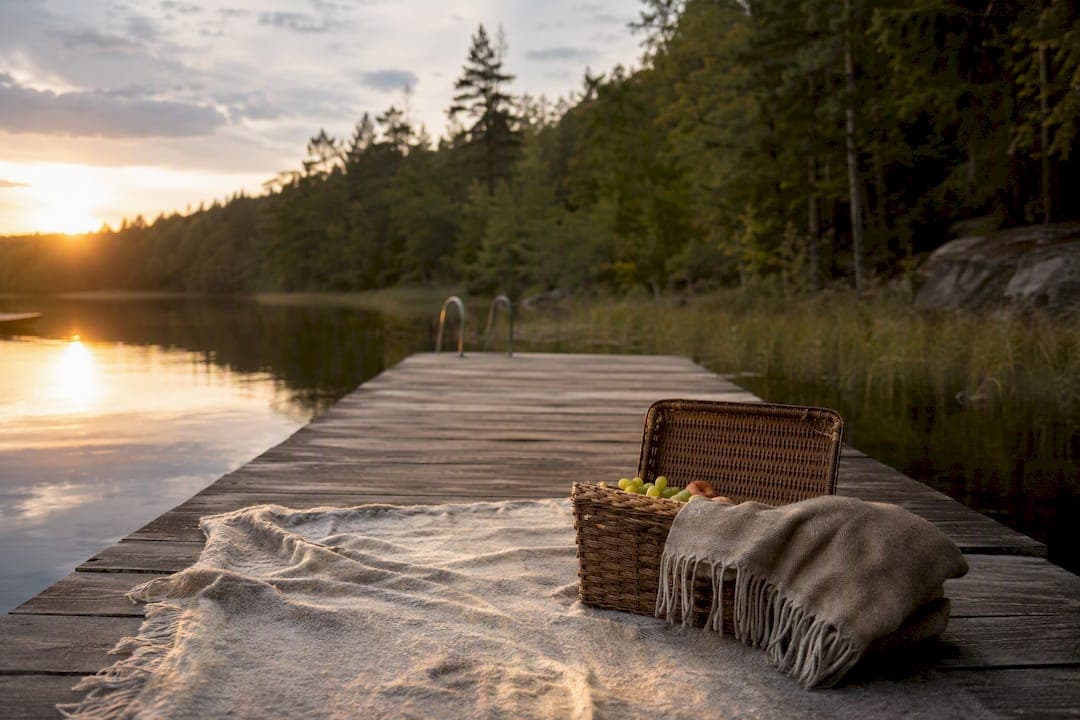
Yes, you can swim in a lake safely if you follow a few essential checks and bring the right kit. The single most important rule: never swim alone, and always check local water advisories before you get in. Lakes behave nothing like pools, with unpredictable depths, currents, and no lifeguard watching your stroke.
Before you wade in, have these three things sorted:
- A swimming companion or someone watching from shore
- Knowledge of the day's water-quality advisory for that specific spot
- A bright hat and a tow float, so you're visible and rescuable if something goes wrong
Key Takeaways
Lake swimming is safe when you check water conditions first, never swim alone, and enter feet-first every time.
| Point | Details |
|---|---|
| Never swim alone | Bring a buddy or swim only where someone can watch from shore or a supervised post. |
| Check advisories first | Confirm the local bathing-water advisory before entering, since algae and bacteria levels shift weekly. |
| Enter feet-first | Test depth before committing, since lake bottoms drop away faster than they appear to from shore. |
| Pack visibility kit | A bright hat and tow float make you visible to boats and give you a rest point if needed. |
| Recover deliberately | Warm layers, a hot drink, and light movement after swimming shorten how long the post-swim chill lasts. |
| Stay at a lake-ready property | Villa Sakis offers direct lake access, a swim orientation on arrival, and a private sauna for recovery. |
Table of Contents
- Safety checks before, during and after your lake swim
- What to pack for a lake swim
- How should you adjust your swimming technique for a lake?
- How do you pick a safe spot to swim in a lake?
- Host perspective: Villa Sakis advice for guests who swim at the lake
- Warming up and cooling down for open water
- Dealing with cold water shock, cramps and currents
- Lakes versus pools: what you gain and what you risk
- What wildlife might you encounter in a lake, and what should you do?
- Why lake swimming fits a slower kind of stay
- Plan a lakeside stay with safe swimming built in
- Sources
Safety checks before, during and after your lake swim
Good lake swimming is less about heroics and more about habits. Build these into a routine and most incidents simply don't happen.
Before you enter:
- Check the municipal bathing-water advisory for that lake. Algae blooms and bacterial spikes get posted, and they change week to week.
- Scan the shoreline for scum, foam, or unusually murky water. These are visible warning signs, not just theoretical ones.
- Note where boats launch or travel. Roped-off, supervised bathing areas keep you clear of propellers and wake.
- Tell someone your route and expected time out of the water.
During the swim, stick with your buddy, stay within sight of your entry point, and carry a whistle or use a tow float you can lean on if you cramp or tire faster than expected. If the area is supervised, log in and out with staff where that's offered.
Afterwards, change into warm, dry clothes promptly, shower to rinse off lake water, and keep an eye on any grazes or scratches over the following days. Freshwater carries swimmer's itch and rare parasitic risks, and a fever or severe headache after a swim warrants a doctor's visit, not a shrug.
Local reporting consistently shows that most drowning incidents happen in open water rather than pools, which is exactly why the buddy rule sits at the top of this list rather than somewhere further down.
Pro Tip: Keep a phone in a dry bag at your entry point, not in your car. If you need to call for help, you want it within arm's reach, not a hundred metres away.
What to pack for a lake swim
The right kit turns a risky swim into a comfortable one. None of this is expensive gear, but each item earns its place in your bag.
- Bright swim hat – makes you visible to boats and to anyone watching from shore
- Tow float – doubles as a rest point and a rescue aid, and it's the item Swim Secure's lake swimming guidance recommends most consistently
- Whistle – attached to the float, for signalling if you're struggling
- Waterproof phone case or dry bag – for your kit at the entry point
- Wetsuit, neoprene gloves, booties – worth considering once water temperature drops, or for longer swims
- Water shoes – protect feet on stony or uneven lake beds during entry and exit
- Towel or changing robe, warm layers, a flask of something hot – for the minutes right after you get out, when your body temperature is still catching up
For a lakeside cottage stay, pack light but don't skip the basics. Villa Sakis guests planning cold-water dips can check a fuller winter swimming packing list before travelling.
Pro Tip: Pack your post-swim layers in the order you'll need them, warm socks on top, so you're not digging through a bag with cold, fumbling hands.
How should you adjust your swimming technique for a lake?
Pool habits don't transfer cleanly to open water. A few adjustments make a real difference to both safety and efficiency.
- Sight off the shoreline, not the water. Pick a fixed landmark, a tree, a jetty, a roofline, and glance up every few strokes to confirm your line, rather than relying on lane markings that simply don't exist here.
- Shorten your stroke and increase your rate in choppy conditions. Open-water coaching guidance points to a wider catch and quicker recovery, with steady core tension keeping your body stable against small waves.
- Enter feet-first, always. Test the depth before committing to a stroke. Bottoms drop away far quicker in lakes than beaches suggest, and diving from an unfamiliar dock is one of the most avoidable causes of serious injury.
- Acclimatise gradually. Wade in slowly, splash water on your face and neck, and let a little water into your wetsuit before submerging fully. This blunts the gasping reflex that catches people off guard in cold water.
Practising a sight every third or fifth stroke, rather than constantly, keeps your rhythm intact while still correcting your course before you drift.
How do you pick a safe spot to swim in a lake?
The safest lakes are the boring ones: marked, supervised, and monitored. Designated bathing areas usually have roped-off shallow zones, posted water-quality results, and lifeguards during peak hours, and that combination is hard to beat.
If you're choosing an unsupervised spot, run a quick five-minute check on arrival:
- Can you see your feet clearly at knee-height? If not, visibility is poor and hazards below are harder to spot.
- Is there algae scum, foam, or an odd smell near the shore?
- Are there signs posted, even faded ones, warning of currents, depth, or recent advisories?
- Is the area busy with boat traffic or jet skis?
- Is there an easy, gradual exit point nearby, not just a steep bank?
When any of these raise doubt, wait or move on. Another fifteen minutes spent finding a better spot costs nothing compared with the alternative.
Host perspective: Villa Sakis advice for guests who swim at the lake
Every guest gets a short orientation on arrival: where the safe entry point sits, what the lake bed does underfoot, and a simple buddy suggestion for solo travellers pairing up with another guest.
We always tell first-time swimmers here the same thing: check in with someone before you go, keep a robe and hot drink waiting for when you're out, and treat the sauna as part of the swim, not an afterthought. Recovery matters as much as the swim itself.
Guests can find more on post-swim routines in the cold water therapy guide on the Villa Sakis journal.
Warming up and cooling down for open water
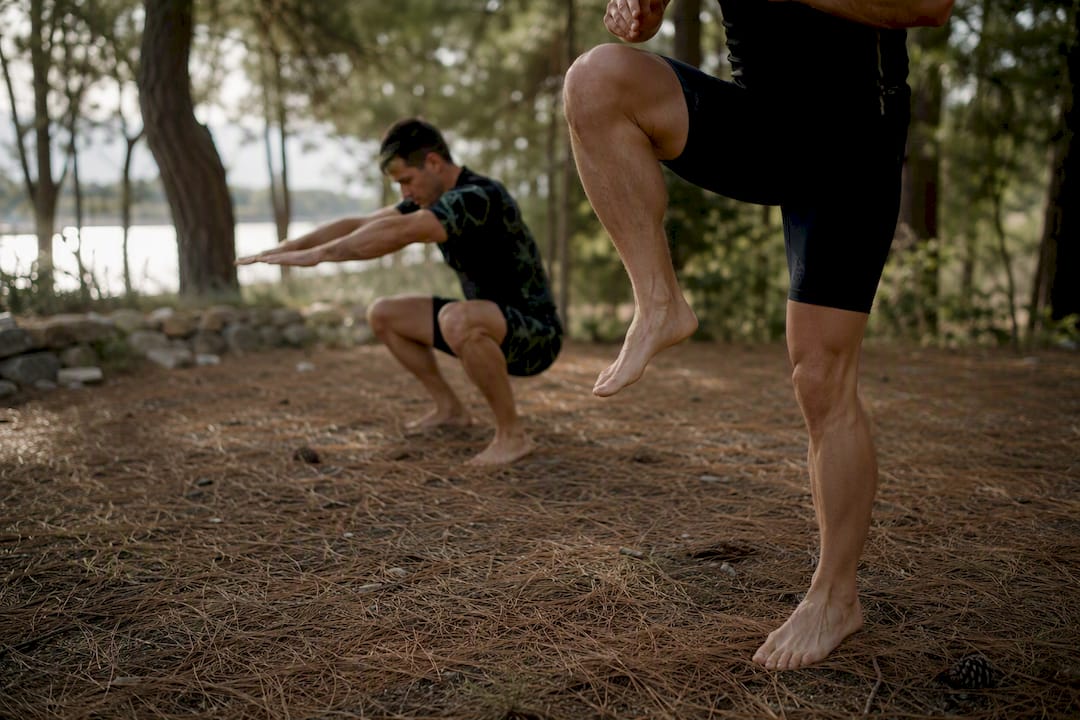
A pool warm-up rarely prepares you for lake conditions. Land-based mobility work does more good here than laps in a warm pool ever could.
Spend five minutes before entering on shoulder circles, arm swings, and a few dynamic lunges to raise your core temperature and loosen the joints you'll rely on most, shoulders and hips. Then do your cold-water acclimatisation: wade to waist height, splash your face and neck, and take slow, controlled breaths before submerging. This two-stage warm-up, land mobility followed by gradual water entry, does more for open-water readiness than any pool drill.
Cooling down matters just as much, and it's the step most swimmers skip. Don't dive straight from swimming into sitting still. Walk around on shore for a few minutes to keep blood moving, change into dry, warm layers as quickly as you can manage, and drink something warm. Gentle stretching, calves, shoulders, lower back, once you're dry helps offset the stiffness that cold water leaves behind.
The temptation after a bracing swim is to collapse into a towel and stay still. Resist it for the first five minutes. Movement keeps circulation active while your body temperature climbs back towards normal, and it noticeably shortens how long that post-swim shiver lasts.
Dealing with cold water shock, cramps and currents
Cold water shock is the biggest single risk in lake swimming, and it catches confident swimmers as often as nervous ones. The gasp reflex and sudden increase in heart rate happen in the first sixty to ninety seconds of cold immersion, which is exactly why gradual entry matters more than bravado. Wade in, splash your face, breathe steadily, and only then commit to swimming.
Cramps tend to strike in the calves or feet, often triggered by cold muscles working harder than usual. If one hits, don't panic and don't fight it. Roll onto your back, use your tow float for support, and gently stretch the affected muscle while you float rather than tread water.
Currents in lakes are usually gentler than in rivers or coastal water, but they exist, particularly near inflows, outflows, or narrow channels between two water bodies. If you feel yourself being pulled, swim across the current rather than directly against it, angling towards shore instead of fighting the pull head-on.
The common thread across all three risks is the same: don't go it alone. A buddy spots the early signs of distress long before you'd notice them yourself, and that single habit does more to prevent a bad afternoon than any piece of kit.
Lakes versus pools: what you gain and what you risk
Swimming in natural water carries real benefits alongside real trade-offs, and it's worth being honest about both.
The upside is considerable. Cold water swimming is linked to genuine wellbeing benefits, mood lift, stress reduction, and a sense of achievement that a chlorinated lane rarely produces. There's no lane discipline, no queuing, and the scenery does something for you that four white walls simply can't. Distance and pacing also feel different, freed from turns every 25 metres, many swimmers find their rhythm settles into something more meditative.
The risks are equally real, and they're different in kind from a pool's risks. There's no lifeguard scanning every lane, water temperature varies enormously by depth and season, and visibility below the surface can drop to near zero. Add in the feet-first entry rule that public safety guidance repeats constantly, because unfamiliar bottoms hide drop-offs and submerged obstacles a chlorinated pool never would.
Neither environment is inherently better. A pool suits structured training and guaranteed conditions. A lake suits those willing to trade some predictability for a swim that actually feels like an event, provided the safety checks above aren't treated as optional extras.
What wildlife might you encounter in a lake, and what should you do?
Most lake wildlife encounters are non-events, brief sightings that add to the experience rather than threaten it. Still, knowing what to expect keeps surprise from turning into panic.
Ducks, swans, and other waterfowl are the most common company you'll have. Give nesting swans a wide berth, particularly in spring, as they'll defend territory close to shore with more aggression than their elegant reputation suggests. Fish brushing past your legs is startling the first time and utterly harmless every time after.
Leeches turn up in some lakes, particularly in shallow, weedy margins. They're unpleasant rather than dangerous, and simply avoiding prolonged standing in dense reed beds cuts your odds considerably.
The genuine hazard worth knowing about isn't an animal at all: blue-green algae blooms, which can appear as a bright green or blue sheen, scum, or paint-like streaks on the surface. These blooms can make both people and pets seriously unwell if swallowed or if skin contact is prolonged. Treat any visible bloom as a hard no, regardless of how inviting the rest of the lake looks that day.
Why lake swimming fits a slower kind of stay
There's something honest about swimming in water you can't control, no chlorine, no lane ropes, just the lake's own conditions on any given morning. That unpredictability is precisely what makes a careful approach worth the effort, not a reason to avoid the water altogether. Guests who treat the checks in this piece as routine, rather than optional, tend to come away from a swim rejuvenated rather than rattled, and that's the entire point of building safety into the rhythm of a stay rather than bolting it on as an afterthought.
— Christian
Plan a lakeside stay with safe swimming built in
Villa Sakis sits with direct lake access a short walk from the door, which means no driving to a car park, no guessing at unfamiliar shoreline, and no scrambling for kit you left behind. Guests get a swim orientation on arrival covering entry points and underfoot conditions, plus a private sauna for the recovery routine this article walks through, robe, hot drink, warmth, all without leaving the grounds.

The property's grounds back straight onto forest and meadow, so the walk from door to water takes minutes rather than requiring a plan of its own. Whether you're travelling with family or coming alone for a few days of recovery-focused swimming, the farmhouse itself is built for exactly this kind of unhurried, safety-minded stay. Check current dates and book directly through Villa Sakis to see whether the lake, sauna, and quiet grounds line up with the trip you're planning.
Sources
Check your local bathing-water advisory before every swim, and review Swim Secure's guidance for beginner kit and technique. Villa Sakis guests can also read the sauna safety guide for family-focused recovery advice.
- Swimming tips — water safety | Stockholm Swimming Club
- Bathing water quality | Parker Stockholm
- Swim Secure guide to lake swimming | Great Swim
- Tipsen: Så simmar du säkrare i öppet vatten | SVT Nyheter