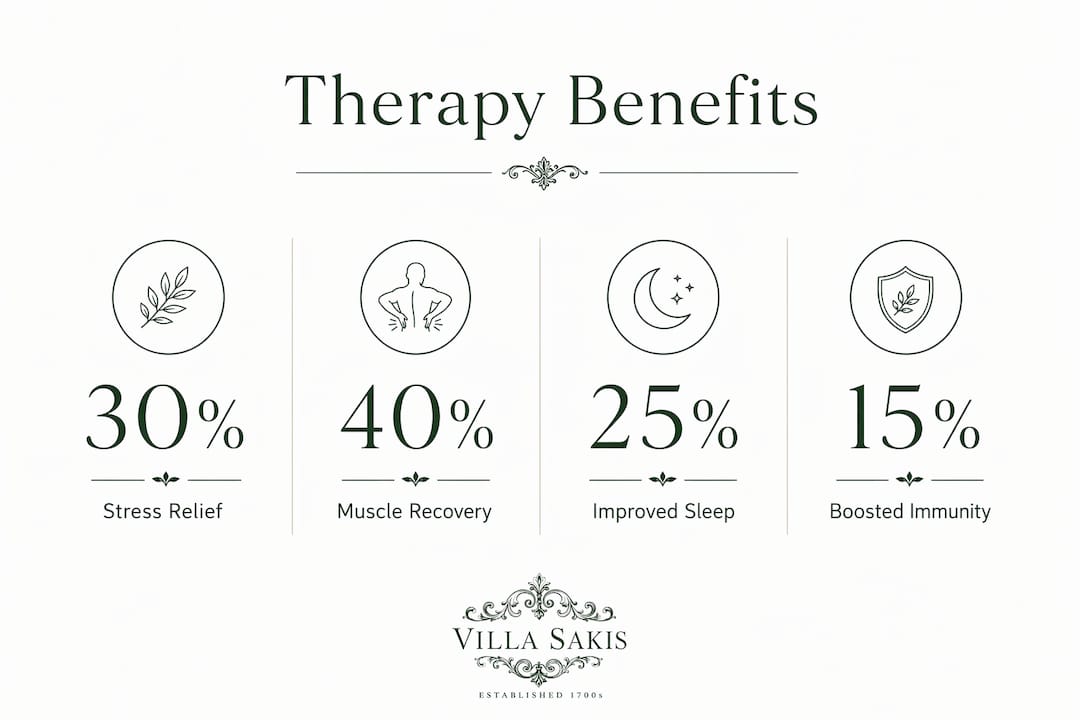
Cold water therapy, formally known as cold-water immersion (CWI), delivers a quiet but measurable shift in how your body and mind recover. A 2025 systematic review analyzing 11 studies and 3,177 participants found that immersion reduces stress levels roughly 12 hours after exposure, improves sleep quality, and raises overall quality of life scores. The core benefits, at a glance:
- Stress reduction that arrives gradually, not immediately, peaking around 12 hours post-immersion
- Muscle soreness relief through vasoconstriction that reduces inflammation after exercise
- Improved sleep quality, particularly for endurance athletes
- Immune system support, with cold showers linked to a 29% reduction in sickness absence
- Better circulation through alternating vasoconstriction and vasodilation
- Skin health benefits from improved blood flow to the surface
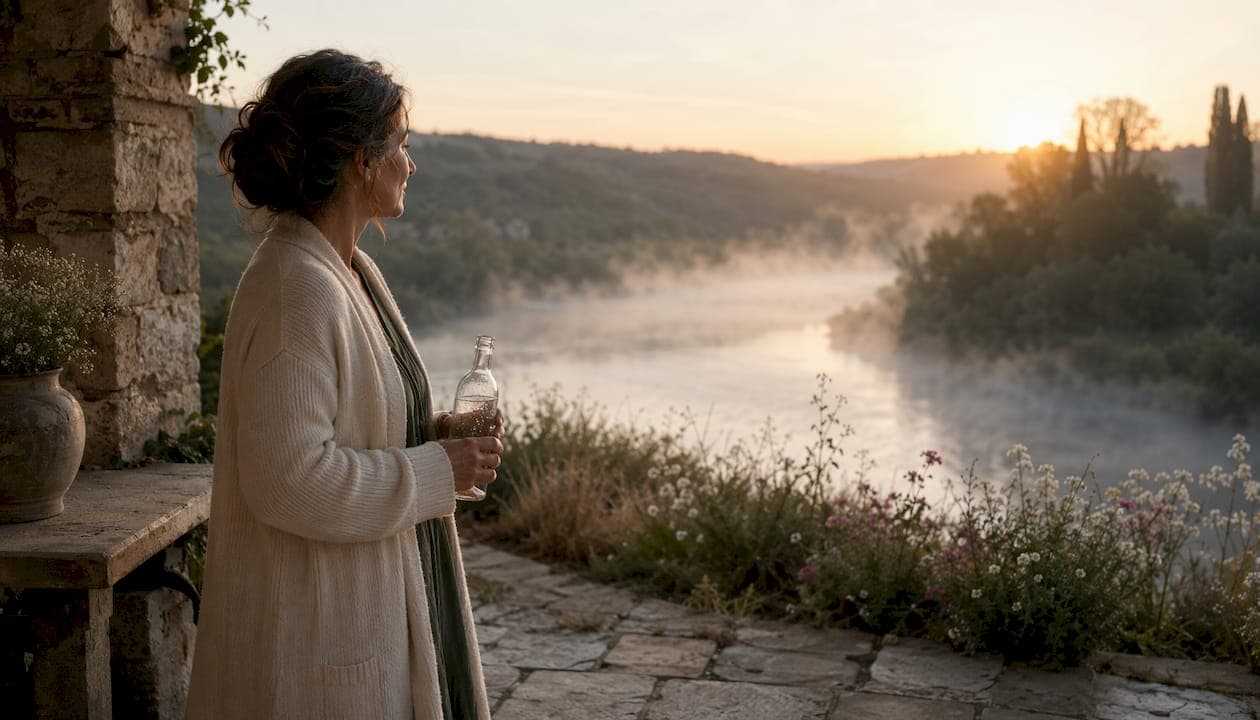
For travelers planning a restorative countryside stay, these effects translate into something tangible: calmer mornings, easier recovery after long walks through pine forests, and deeper sleep in quiet timber rooms.
Table of Contents
- How cold water therapy shapes your body and mind
- Safe practice: what you need to know before you plunge
- Weaving cold immersion into a countryside wellness retreat
- The main types of cold water therapy
- Key Takeaways
How cold water therapy shapes your body and mind
The body's response to cold immersion follows a predictable arc. First comes the acute phase: cold shock triggers an involuntary gasp, a spike in heart rate, and a surge in blood pressure as the sympathetic nervous system fires. Within minutes, that initial alarm softens. Breathing slows, and the parasympathetic system begins to reassert itself.
- Autonomic nervous system activation: Cold exposure enhances parasympathetic activity and improves heart rate variability (HRV), though long-term cardiovascular benefits remain inconclusive across studies.
- Circulation: Blood vessels constrict during immersion, then dilate upon exit, effectively training vascular responsiveness over repeated sessions.
- Mental clarity: Many people describe the experience as a form of moving meditation. As Cleveland Clinic sports medicine physician Dr. King notes, cold plunging offers "physical, mental and functional benefits," with stress reduction and heightened alertness among the most commonly reported effects. The physiological evidence for mood enhancement remains preliminary.
- Muscle recovery timing: Immersion temperatures of 50°F–59°F for 30 seconds to 15 minutes are the range most studies use. Avoid cold plunges within four hours of resistance training, since the anti-inflammatory effect can blunt muscle hypertrophy by silencing the signals your body needs to build strength.
Pro Tip: Enter cold water gradually rather than plunging in all at once. Slow entry gives your nervous system time to adjust, reducing the intensity of the cold shock response and making the session safer and more sustainable.
Safe practice: what you need to know before you plunge
Cold water therapy rewards patience and preparation. Rushing it, or ignoring your body's signals, turns a restorative practice into a genuine risk.
- Duration: Keep sessions under 15 minutes. Hypothermia can begin within minutes in water below 65°F, and the risk rises sharply the longer you stay in.
- Temperature floor: Stay at or above 50°F, especially as a beginner. Colder is not necessarily more effective.
- Medical contraindications: Anyone with heart conditions, hypertension, Raynaud's syndrome, or poor circulation should consult a physician before their first session.
- Never plunge alone: The gasping reflex and cardiovascular stress of cold immersion make solo sessions genuinely dangerous. A companion nearby is non-negotiable.
- Frequency for beginners: Start once or twice weekly, then increase as your tolerance builds. Some experienced practitioners plunge daily, but that takes time to reach safely.
- Warning signs: Exit the water immediately if you feel numbness, uncontrolled shivering, confusion, or reduced motor control.
Pro Tip: Pair a sauna session before your cold plunge. The heat pre-warms your muscles and dilates blood vessels, making the transition into cold water less jarring and the contrast therapy benefits more pronounced.
Weaving cold immersion into a countryside wellness retreat
There is something particularly fitting about cold water therapy in a rural setting. The natural quiet, the proximity to lakes and forest, the unhurried rhythm of a countryside stay: all of it amplifies what the practice is already trying to do.
- Timing your sessions: Schedule cold immersion in the late afternoon. Given that stress reduction peaks around 12 hours post-exposure, an afternoon plunge tends to translate into calmer, more restful sleep that same night.
- Sauna and cold plunge pairing: Alternating between a private sauna and cold water is the foundation of contrast therapy, a practice that exploits vascular dilation and constriction to enhance circulation and recovery. At Villa Sakis, the private sauna and lake access make this sequence genuinely accessible.
- Mindful breathing: Combine your immersion with slow, deliberate breathing to manage the cold shock response and deepen the meditative quality of the session.
- Seasonal awareness: Water temperatures in natural lakes shift considerably across seasons. Check conditions before entering, and adjust duration accordingly.
- Respect your pace: Acclimation is personal. A Swedish countryside retreat offers the space to move slowly, and cold water therapy works best when you honor that same principle.
The main types of cold water therapy
Not every approach to cold immersion looks the same. The method you choose shapes both the intensity and the practical logistics of your practice.
Cold showers are the most accessible entry point. They require no equipment, carry lower cardiovascular risk than full immersion, and still deliver measurable benefits, including the sickness-absence reduction noted in research. A good starting point for anyone new to the practice.
Ice baths (cold-water immersion) involve sitting in water chilled to roughly 50°F–59°F, typically at chest depth. This is the format used in most clinical studies and the one that produces the most studied effects on muscle recovery, stress, and sleep.
Cold plunge tubs are purpose-built vessels that maintain a consistent temperature, making them practical for home or retreat use. They remove the guesswork of ice management and allow for more controlled, repeatable sessions.
Cryotherapy chambers expose the body to extremely cold air (well below 0°F) for two to four minutes. The evidence base is thinner than for water immersion, and access requires a clinical or commercial facility. For most wellness travelers, it is a less practical option than a lake or a plunge tub.
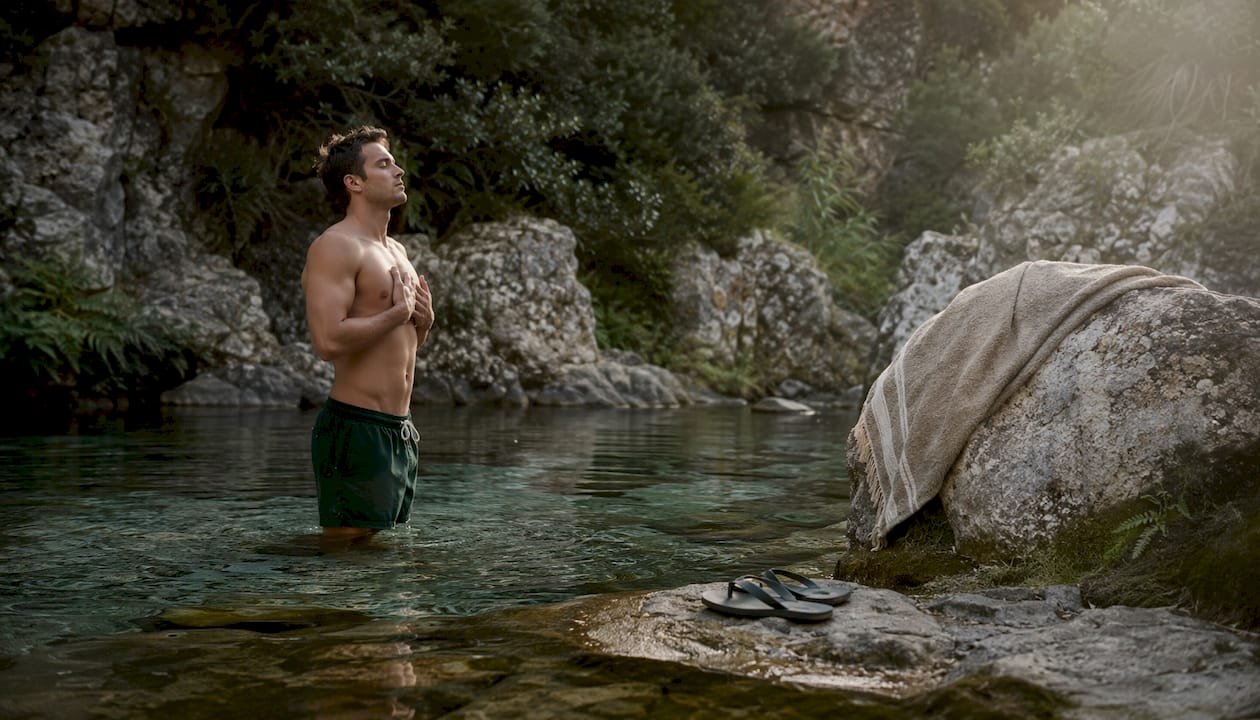
Open-water cold swimming in natural lakes or rivers carries additional variables: current, depth, and water quality all matter. The experience can be deeply restorative in the right setting, but it demands more preparation and a companion in the water.
Key Takeaways
Cold water therapy's most reliable benefits, including stress relief, muscle recovery, and improved sleep, are supported by a 2025 meta-analysis of over 3,000 participants, but safe practice and proper timing determine whether those benefits actually reach you.
| Point | Details |
|---|---|
| Stress relief is delayed | Benefits peak around 12 hours post-immersion, so time sessions accordingly. |
| Muscle recovery has a timing caveat | Avoid cold plunges within four hours of resistance training to protect muscle gains. |
| Safe duration is under 15 minutes | Hypothermia risk rises sharply beyond this threshold in water below 65°F. |
| Contrast therapy amplifies results | Pairing sauna heat with cold immersion enhances circulation and recovery. |
| Start slowly | Beginners benefit most from one to two sessions weekly, increasing frequency as tolerance builds. |