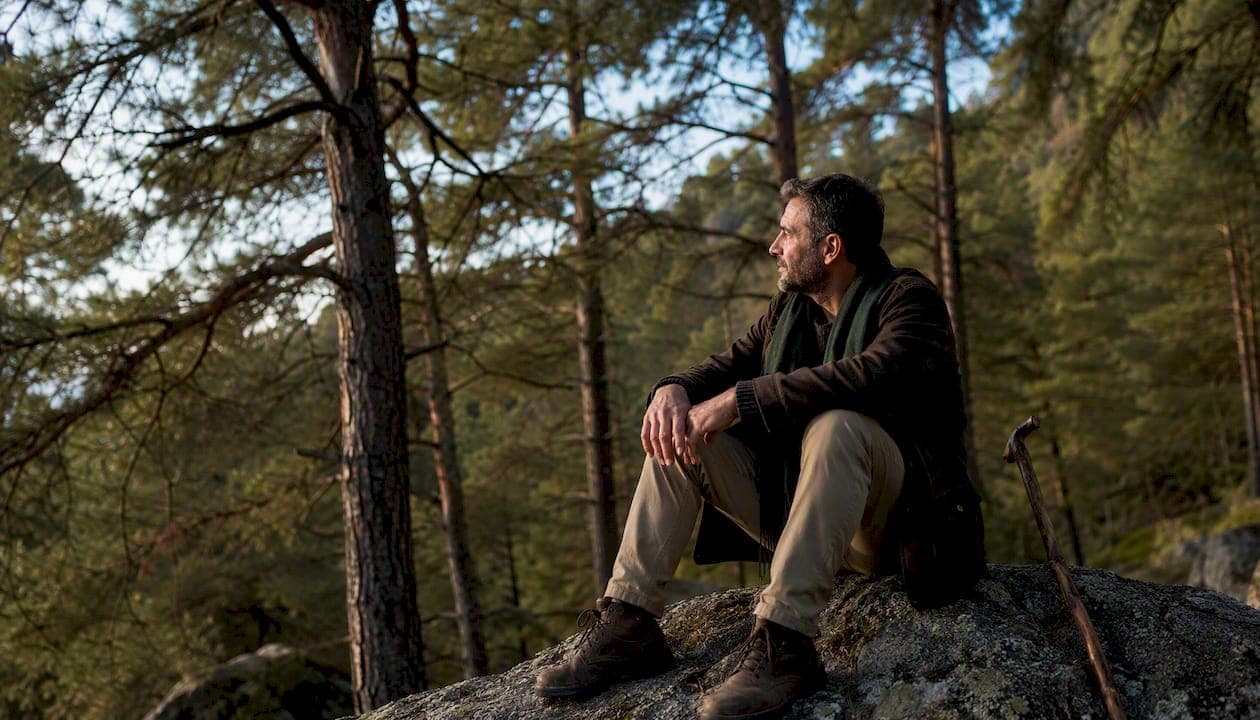
Yes, a holiday can genuinely support recovery from burnout, but only if you enter it deliberately. The single most important move is protecting the first days through gradual downscaling, rather than crashing straight from full pace into unstructured time. Nature-based, unhurried settings amplify the benefit considerably. What follows is a short before, during, and after plan for making that happen.
TL;DR:
- Prioritize gradual workload reduction before departure and set clear boundaries to ensure the first days of holiday are truly restorative.
- Maintain consistent sleep, avoid over-scheduling, and use quiet activities like forest walks to support recovery during time off.
- Choose natural, undemanding settings like forests or lakesides for holidays, as these environments have been shown to significantly improve calmness and sleep.
- Keep holiday routines simple with micro-routines and a few meaningful activities to prevent performance pressure and reinforce restfulness.
- Ease back into work gradually, with low-stakes tasks and protected mornings, to sustain the recovery benefits from the holiday period.
Table of Contents
- Semester vid utmattning: planning before you leave
- Daily habits that support recovery during your holiday
- What research says about nature and burnout recovery
- Managing expectations and keeping gentle routine
- Returning to work after your semester vid utmattning
- A quiet farmhouse and what it teaches about rest
- Why the standard holiday advice usually misses the mark
- A place built for exactly this kind of rest
- Sources
- FAQ
Semester vid utmattning: planning before you leave
The work you do in the two or three weeks before departure decides how much of the holiday is actually rest, rather than a slow unwind from stress you brought with you. Hanna Malmberg Gavelin's research at Umeå University points to gradual downscaling before and during the first holiday days as the factor that separates a restorative break from one spent simply recovering from the run-up to it.
Start by lowering your own workload deliberately, several days ahead of the actual leaving date. Delegate what can be delegated. Push meetings you don't need to attend. Set your personal "finish line" for outstanding tasks earlier than your actual last day, so the final stretch at work isn't a scramble.
Before you go, work through this:
- Finish only what genuinely cannot wait; write everything else down for your return.
- Name one person who covers urgent matters, and tell them explicitly what "urgent" means.
- Set an out-of-office message that states clearly you are unreachable, not "checking occasionally."
- Talk to your manager about expectations directly, rather than leaving it implied.
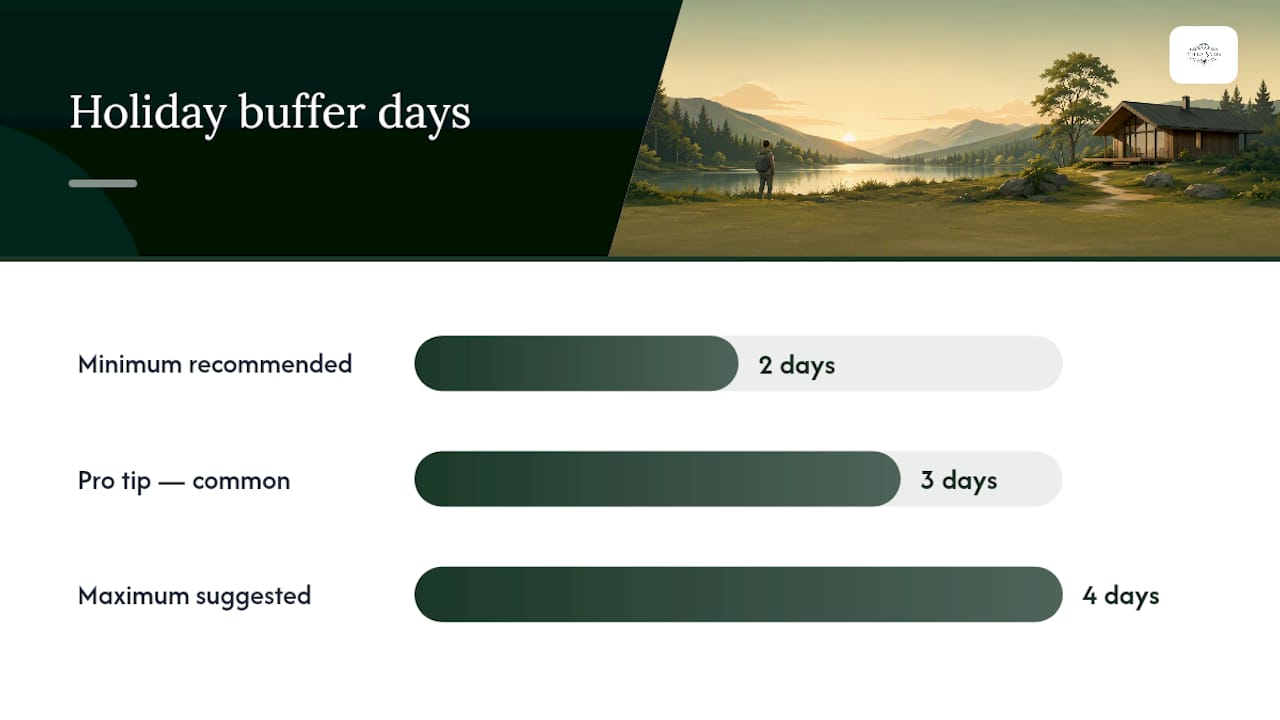
- Block the first two to four days of your holiday as low-demand transition time, with nothing planned.
Pro Tip: Treat those first buffer days as part of the holiday's purpose, not dead time before "the real trip starts." A three-day window of low demand is often what it takes for your nervous system to register that it's actually safe to stop.
Daily habits that support recovery during your holiday
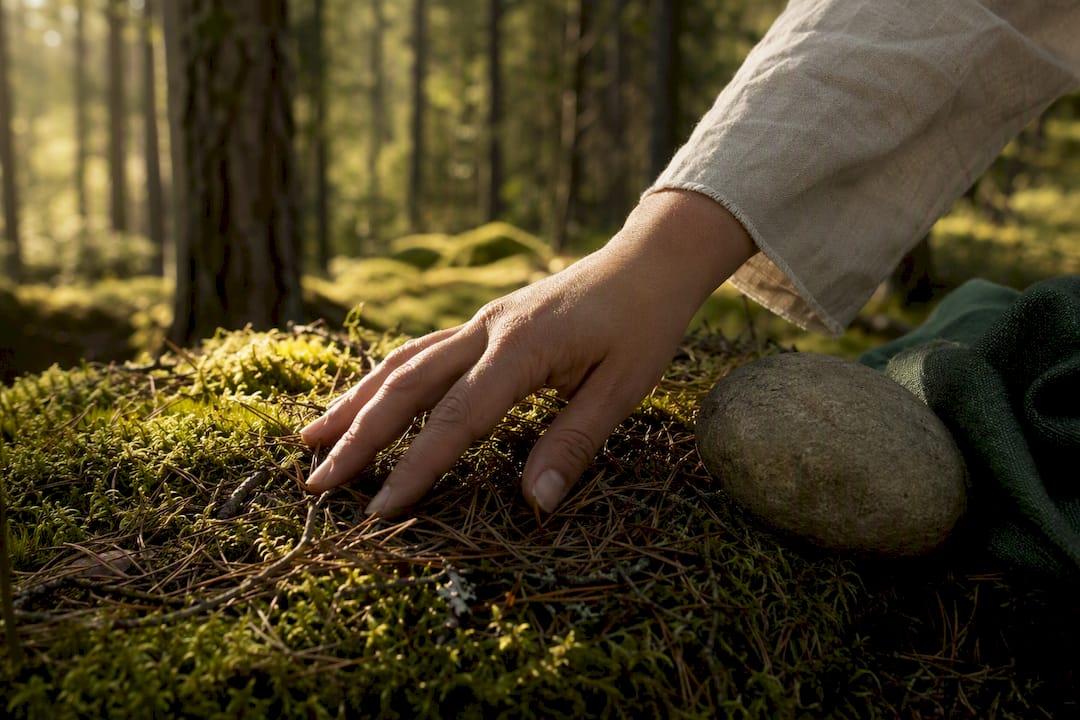
The days that help most are usually the least eventful. Passive restoration, unstructured hours with nothing to achieve, and quiet sensory contact with a natural setting (the sound of wind through pine, the texture of moss, changing light through a window) do more for a stressed nervous system than an itinerary full of activities.
A few things matter more than they might seem to:
- Keep your sleep and wake times roughly steady. Irregular sleep undoes much of what rest is meant to achieve.
- Take short, gentle walks in daylight. Regular daylight exposure supports your circadian rhythm, which burnout tends to disrupt badly.
- Watch for social comparison traps. Social media and other people's curated holidays create pressure that has no place in a recovery break; consider a genuine digital detox for at least part of each day.
- Avoid over-scheduling. A day with three planned activities is a day with three sources of pressure, however pleasant each one sounds.
- Use quiet, deliberate tools. Noise-reducing headphones, a scheduled quiet hour after lunch, and a room with no screen in it all reduce the number of decisions your brain has to make.
It's common for symptoms such as headaches, fatigue, or a minor infection to surface only once the pace actually drops. That isn't a sign the holiday is failing. It's usually the body registering accumulated stress it didn't have room to notice while you were still at full speed.
Pro Tip: A guided sensory exercise, focusing in turn on what you can see, hear, smell, and feel, takes minutes and needs no prior meditation training. Practitioners working in skogsbad, or forest bathing report that even brief sessions produce a measurable calming effect, and gentle guided movement can work in much the same way if sitting still doesn't come easily.
What research says about nature and burnout recovery
Garden therapy studies from Alnarp, near Lund, offer some of the clearest evidence available for this kind of recovery. Participants with exhaustion who took part in the programme improved more than comparison groups and were more likely to return to work five years later. That's a striking result for something as unglamorous as time spent outdoors.
What matters just as much is the type of nature involved. Patrik Grahn, whose work informed the Alnarp research, has noted that people recovering from burnout are often drawn towards structured "kitchen garden" tasks, weeding, tending, achieving something visible, because performance urges don't switch off just because the person is exhausted. Wild, undemanding nature settings tend to serve recovery better than managed gardens that quietly invite you to do something.
Forest visits repeated over several weeks produced measurable improvements in calmness, sleep, and clarity of thought in Swedish studies of people with exhaustion; even short two-hour visits showed an immediate calming effect that built over time, according to research summarised by Suntarbetsliv.
The practical implication is straightforward: choose a holiday setting that asks nothing of you. A forest edge, an open meadow, or a lakeside with no schedule attached will usually do more for you than a manicured resort garden with paths to walk and lawns to admire.
Managing expectations and keeping gentle routine
Burnout often comes bundled with a quiet perfectionism, sometimes called the "duktighetsdjävulen" in Swedish, that keeps pushing you to make the holiday productive, meaningful, or impressive somehow. Left unchecked, it turns a rest break into another performance.
Counter it by keeping the holiday genuinely small:
- Choose one or two meaningful things for the whole trip, not a list.
- Build a few micro-routines that need no real decisions: morning light, a midday check on how you're feeling, an evening wind-down.
- Prepare a short, ready phrase for saying no. "I'm resting this week, I'll catch up properly after" works better than a long explanation.
- If low mood, poor concentration, or physical symptoms persist beyond the holiday itself, that's a signal for professional support, not something to push through alone.
Returning to work after your semester vid utmattning
The return matters as much as the holiday itself. Momentum built over two or three weeks disappears quickly if the first days back are heavy.
- Ease in deliberately. Block light, low-stakes tasks for your first two or three days back, and push major deadlines out where you can.
- Protect your mornings. Reserve them for focused, low-stress work, and keep afternoons genuinely lighter, not just on paper.
- Stagger your meetings. Spread them across the week rather than clustering them on day one.
- Keep the habits going. Whatever micro-routine steadied you on holiday is worth continuing at home.
- Book a follow-up if symptoms return. A GP or your occupational health service can assess whether more structured leave is needed.
A quiet farmhouse and what it teaches about rest
There is a particular kind of stillness at Villa Sakis, in the surrounding pine forest and open meadow, where the loudest sound most evenings is wind moving through trees. That kind of undemanding setting is exactly what the Alnarp research points toward.
Guests often mention the absence of anything to achieve, no itinerary, no lawns to admire, just timber rooms, forest, and quiet.
Why the standard holiday advice usually misses the mark
Most holiday advice for exhausted people focuses on destinations and activities: where to go, what to book, what to see. That misses what the research actually supports. The Alnarp findings and the Umeå downscaling guidance both point to something less glamorous: recovery depends far more on reducing demands than on choosing an exciting location.
The conventional wisdom that a "proper break" needs new experiences, sightseeing, or achievement gets this backwards for someone recovering from exhaustion. A packed itinerary, however appealing, still asks your brain to plan, decide, and perform. What actually helps is fewer decisions, less stimulation, and long unstructured stretches in a setting that expects nothing of you.
If you take one thing from the research, prioritise the downscaling before you leave over anything you plan to do once you arrive. A wild, quiet setting without a schedule attached will do more for you than an ambitious trip to somewhere new.
— Christian
A place built for exactly this kind of rest
A whole 18th-century log farmhouse with no shared spaces, no fixed schedule, and no performance expected of you. Features include a private sauna, direct access to forest and meadow, and a self-catering kitchen, so the only structure is whatever you choose to keep.
It suits families, couples, or small groups who want the entire house rather than a shared property, and who value quiet over amenities. Before booking, consider your group's need for genuine stillness and any mobility needs, since it's a historic timber building. If your symptoms are ongoing or severe, speak to your GP before travelling, alongside anything you plan here.
To see the rooms and facilities in detail, visit the house itself, or go straight to checking dates and booking your stay.
Sources
- Experiencing a garden: a healing garden for people suffering from burnout diseases (SLU/Alnarp research)
- Utbrända drar till skogs och bara förnimmer - Suntarbetsliv
- Så går du in i semestern inte in i väggen — Umeå universitet
- Utmattningssyndrom — 1177
This article is general information, not a substitute for advice from a qualified doctor. Consult a qualified healthcare professional about your own circumstances before acting on anything here.
FAQ
Can I take annual leave while I'm signed off sick?
Generally no, since sick leave and annual leave serve different legal purposes in Sweden; check your specific situation with your employer or Försäkringskassan before booking anything.
How long does it take to recover from burnout?
Recovery varies enormously between individuals, but 1177's guidance notes that exhaustion syndrome typically develops over a long period and recovery is correspondingly gradual, often measured in months rather than weeks.
Can burnout lead to ME/CFS?
Burnout and myalgic encephalomyelitis are distinct diagnoses with overlapping symptoms such as fatigue, so persistent exhaustion that doesn't improve with rest warrants a proper medical assessment rather than a self-diagnosis either way.
When are you signed off sick for burnout?
A doctor assesses sick leave for exhaustion syndrome based on symptom severity and duration, following the criteria described in 1177's overview; persistent symptoms over several weeks are usually what prompts that conversation.