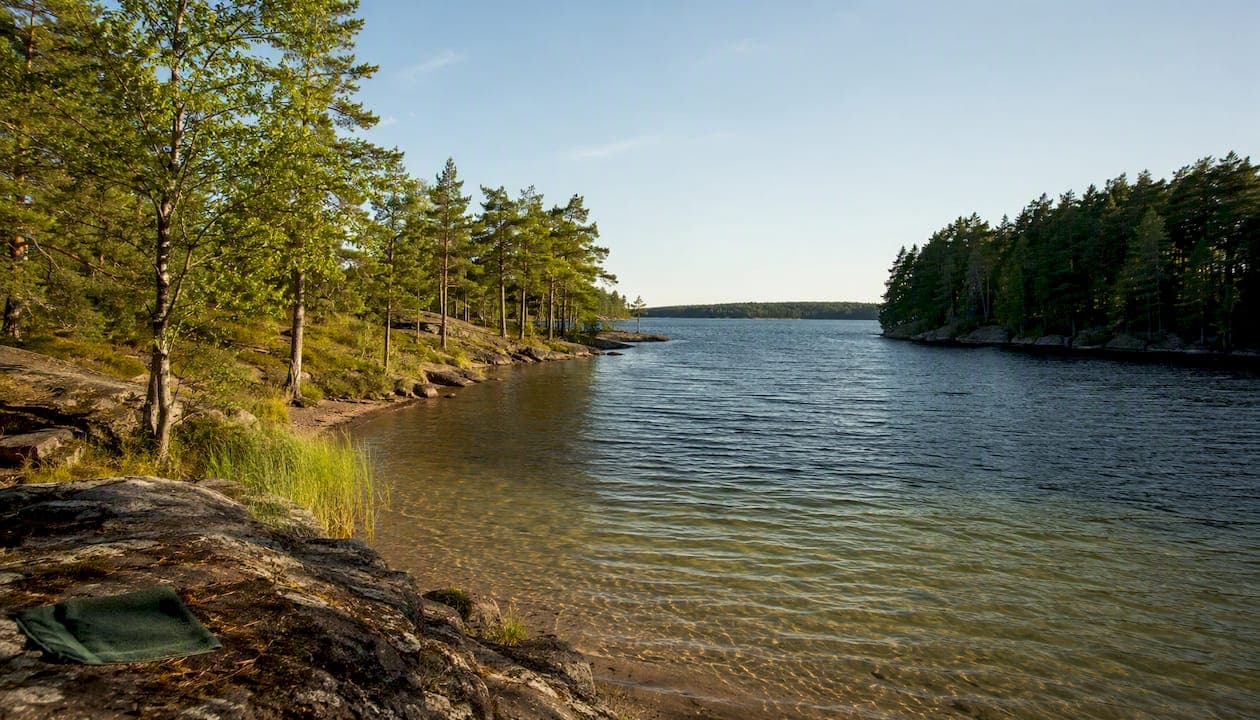
Check Temperatur, Temperaturer, Klart, your municipal badplats page or SMHI for live badtemperatur sjö readings before you commit to a swim. Below 10°C, treat the water with real caution. Between around 15°C and 20°C, many healthy adults can manage a short swim. Above about 20°C, most people find the water comfortable. Once you have a current reading, run through the pre-swim checklist further down this guide before you wade in.
TL;DR:
- Checking multiple sources, such as Temperatur.nu and municipal pages, enhances reliability because sensor data and water-quality notices can differ.
- Water at 10°C or below requires extremely cautious entry, with risks of cold-water shock and hypothermia increasing sharply below this threshold.
- Surface temperatures may feel warmer than bulk readings due to sun exposure, wind, and lake depth, affecting perceived comfort and safety.
- Gradual entry, known as wading, significantly reduces cold-water shock risk compared to jumping or diving, especially at temperatures around 15°C.
- Conditions vary regionally and seasonally, so current live readings are more accurate indicators of safety than seasonal averages or historical data.
Table of Contents
- Where to check current lake and bathing-site temperatures
- What temperature ranges typically mean for bathing
- Bulk versus surface temperature: why the number and your skin disagree
- Cold-water shock, acclimatisation, and staying safe
- Quick pre-swim checklist for a bathing site
- Host perspective: what a countryside stay adds to the picture
- How wind and sunlight change how cold water actually feels
- Health risks: hypothermia, cramp and other cold-water dangers
- Gear and clothing for different water temperatures
- How temperature affects water quality and aquatic life
- How providers actually gather their temperature data
- Examples of live services that publish lake temperatures
- Seasonal and regional variation across Swedish lakes
- Why the live number matters less than how you use it
- Sources
- FAQ
Where to check current lake and bathing-site temperatures
Five sources dominate how Swedish residents and visitors track badtemperatur sjö, and each serves a slightly different purpose.
Temperatur.nu pulls readings from municipal sensors, SMHI and other organisations into one searchable map, covering a wide spread of lakes, coastal spots and popular badplatser. Sensor feeds here can refresh roughly every 30 minutes, which matters if you are checking on a day when the sun has been out since breakfast. Search by place name or scroll the map to find the nearest sensor to your intended swim.
Temperaturer.se offers similar live and historical data, and its knowledge pages are genuinely useful for understanding why a number on screen might not match what your feet tell you the moment you step in.
Klart.se leans into the weather side of things, pairing water temperature with local badväder forecasts and municipal badplats information for thousands of sites, which makes it a decent one-stop check if you also want to know whether cloud cover is rolling in.
For anything touching official water quality, algae blooms or closures, the municipality's own badplats page or SMHI tends to carry the advisory that aggregator sites simply do not.
A sensible routine looks like this:
- Search the site name on Temperatur.nu or Temperaturer.se first, for the freshest number.
- Cross-check Klart.se if you also want a same-day weather read.
- Look up the municipal badplats page for any water-quality notice before you commit.
What temperature ranges typically mean for bathing
Numbers on a screen only help if you know what they translate to once you are standing at the water's edge. Broadly, four bands cover most decisions.
- Below 10°C: Genuinely cold water. Entry should be slow, swims short (often just a dip), and this range is where cold-water shock risk is highest for anyone unacclimatised.
- 10 to 15°C: Still demands respect. Fit, acclimatised swimmers manage short sessions, but this is not casual paddling territory for most people.
- 15 to 20°C: Workable for most healthy adults for a limited swim, though the first minute can still take your breath away.
- Above 20°C: Comfortable for the vast majority of swimmers, including children, for longer periods.
A scientific review of cold-water swimming found real evidence of benefit when exposure is graded and repeated, alongside real risk, including fatal outcomes, when untrained swimmers enter cold water suddenly. That tension is worth sitting with: the same water that some regular swimmers find restorative can be genuinely dangerous for someone stepping in cold, literally and figuratively, for the first time. Duration, age, underlying health conditions and how acclimatised your body already is all shift where the line between pleasant and risky actually falls.
Bulk versus surface temperature: why the number and your skin disagree
The figure you see online is rarely exactly what your skin registers, and the gap has a name.
- Bulk temperature is the reading most sensors and services report, taken from a fixed depth rather than the topmost layer of water.
- Surface temperature, sometimes called badtemperatur specifically, reflects the thin warmed layer that sun and still air build up, and it can run noticeably higher.
- Many sensors sit 20 to 50 centimetres below the surface, which is exactly why a sunny afternoon reading can feel warmer underfoot than the published number suggests.
- SMHI's explanation of lake thermodynamics notes that lakes warm from the top down, and that larger, deeper lakes shift temperature far more slowly than a shallow forest pond does.
- In sheltered, shallow coves, that surface layer can climb several degrees in just a few hours of direct sun, so a morning reading may undersell how the water feels by mid afternoon.
Wind matters too. A stiff breeze breaks up that warm surface film fast, mixing it back into the colder bulk below, which is part of why the same lake can feel entirely different on two consecutive afternoons with identical air temperatures.
Cold-water shock, acclimatisation, and staying safe
Cold water can genuinely take your breath away, quite literally. The Met Office describes cold-water shock as a rapid gasp reflex, sudden hyperventilation and a sharp spike in heart rate, all triggered within seconds of sudden immersion. That combination is what catches out otherwise strong swimmers, not exhaustion or distance from shore.
The single biggest mistake people make is jumping or diving straight in. A controlled wade, paired with deliberate breathing, cuts that shock response dramatically compared with a sudden plunge.
Practical steps that actually reduce risk:
- Wade in gradually rather than jumping, giving your breathing time to settle.
- Avoid diving headfirst into unfamiliar water, since depth and hidden obstacles vary lake to lake.
- Swim with a partner, or at minimum, tell someone where you are and for how long.
- Consider a wetsuit for anything below 15°C if you plan more than a brief dip.
Certain groups warrant extra caution: anyone with a cardiac condition, children swimming without close supervision, and lone swimmers of any age or fitness level, since help is further away when something goes wrong.
Pro Tip: Count your breaths as you wade in. Four slow breaths before the water reaches your chest gives your body time to adjust rather than react, and that alone cuts most of the panic response people mistake for genuine danger. Villa Sakis covers this in more depth in a guide to swimming in a lake safely, built around exactly this kind of gradual entry.
Quick pre-swim checklist for a bathing site
Before anyone in the group gets in, run through this in under a minute.
- Check the live badtemperatur sjö reading for the exact site, and glance at the municipal page for any algae or water-quality notice.
- Walk the shoreline to find the easiest entry and exit point, checking underfoot for rocks or a steep drop.
- Confirm someone is watching from the bank, or that everyone swims together rather than solo.
- Have dry clothes and a towel ready so you can warm up quickly the moment you get out.
- Skip alcohol beforehand, and think twice about swimming straight after strenuous exercise or a long stretch in direct sun.
A short guide on safe entry from a jetty covers the entry-point question in more detail, particularly for anyone bathing from a private dock rather than an open beach.
Host perspective: what a countryside stay adds to the picture
At Villa Sakis, checking the lake before recommending a swim to guests is simply part of hosting well. Christian has written about exactly this, from bathing safety to how sauna use fits around a cold dip, drawing on the same live services covered here.
- Live aggregator sites get checked first, then the municipal badplats page for anything a sensor won't catch, like an algae advisory.
- Guests are pointed towards dry clothes, a towel and a hot drink straight after swimming, mirroring the packlist for cold-water bathing.
- The private sauna gets recommended as the natural way to warm up afterwards, particularly once fingers and toes start to ache.
- If a local notice flags poor water quality, guests are told plainly to skip that swim and try again another day.
How wind and sunlight change how cold water actually feels
Two identical thermometer readings on two different days can produce completely different swimming experiences, and weather is usually the reason.
Direct sunlight builds a warm surface film on still water within hours, sometimes raising the top few centimetres several degrees above the bulk temperature underneath. That is why a sheltered, sun-facing cove often feels far more inviting than an open stretch of the same lake, even when both would show an identical number on Temperaturer.se or Temperatur.nu.
Wind works against that warming. A breeze mixes the warm surface layer back down into colder water below, flattening out the temperature gradient and making the water feel colder on your skin than the aggregator reading implies. Overcast, breezy days also change perceived comfort even when the water itself has not cooled much, since wind chill on wet skin after you get out can be sharper than the swim itself.
Air temperature plays a role too, particularly on entry and exit. Stepping from 22°C air into 16°C water feels far more jarring than stepping from 14°C air into the same water, simply because of the contrast your body registers. That is part of why late afternoon on a warm, still day is often the most comfortable window to swim, even if the morning reading was technically the same number.
If you are checking conditions before heading out, glance at both the temperature reading and the wind forecast on Klart.se rather than the water figure alone. A calm, sunny 17°C swim and a windy, overcast 17°C swim are genuinely different experiences.
Health risks: hypothermia, cramp and other cold-water dangers
Beyond the initial shock of cold immersion, prolonged exposure carries its own set of risks that build gradually rather than hitting all at once.
Hypothermia sets in as your core temperature drops, and it does not require freezing water to become a real concern. Extended time in anything below roughly 15°C can start to impair coordination and judgement well before you feel dangerously cold, which is part of what makes it sneak up on otherwise careful swimmers. Early signs include shivering, clumsiness and a creeping urge to just get out, worth acting on immediately rather than pushing through for another few minutes.
Muscle cramp is the other common hazard, particularly in cooler water where blood flow to the extremities reduces as your body prioritises keeping the core warm. A cramp in open water is a different problem than one on land, since it can happen far from shore with nothing solid to push against.
Fatigue compounds both risks. Cold water demands more energy to maintain body temperature, so swims that would feel easy in a heated pool tire you out faster, and exhaustion combined with cooling muscles is a genuinely dangerous combination. This is precisely why the review on cold-water swimming benefits and risks stresses graded acclimatisation over ambition. Building tolerance through repeated short exposures, rather than a single long swim, reduces the odds of hypothermia or cramp catching you out.
Gear and clothing for different water temperatures
What you wear in the water should track the temperature band you are swimming in, not just personal preference.
Below 10°C, a wetsuit is worth serious consideration if you plan anything beyond a brief dip, alongside neoprene booties and gloves, since extremities lose heat fastest. Swimmers who bathe through winter regularly often add a neoprene cap too, given how much heat the head loses in cold water.
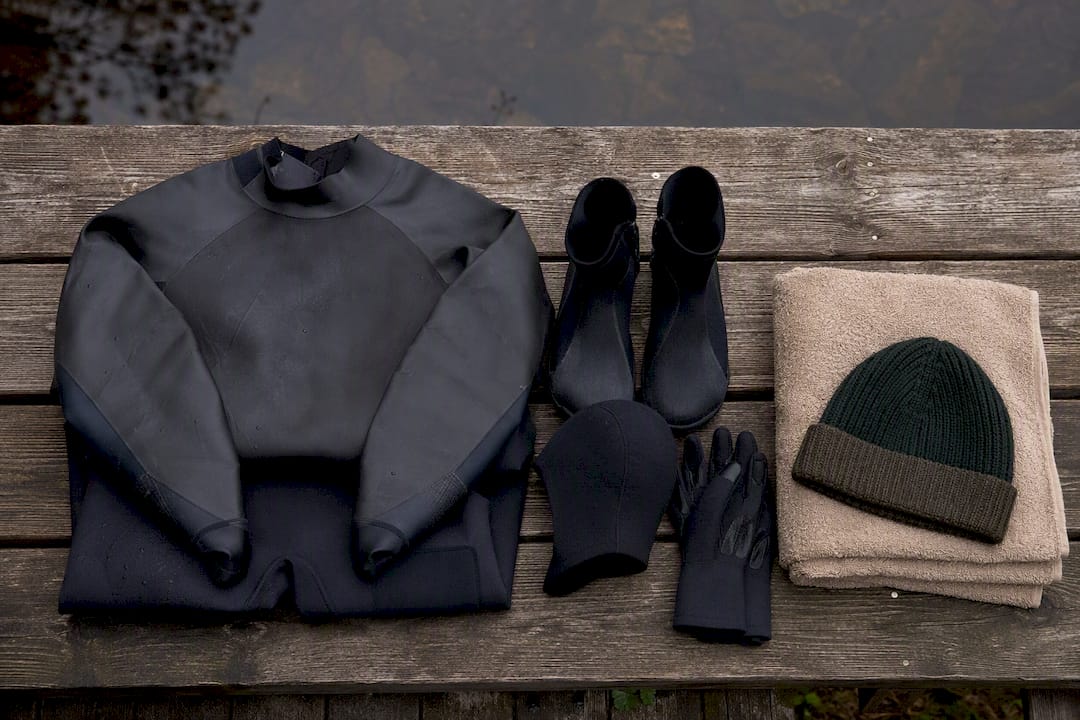
Between 10°C and 15°C, a shorty wetsuit or thermal swim vest extends comfortable swim time noticeably, and booties still help if the lake bed is stony rather than sandy.
From 15°C to 20°C, most people manage in ordinary swimwear for a short session, though a thin rash vest adds a little warmth without restricting movement much.
Above 20°C, standard swimwear suits nearly everyone, and gear choices become about comfort rather than necessity, goggles for open eyes underwater, perhaps a tow float if you are swimming any distance from shore.
Whatever the temperature, a warm layer waiting on the bank matters more than anything worn in the water. A dry towel, a hat and a hot drink do more for genuine safety after a cold swim than an extra millimetre of neoprene during it.
How temperature affects water quality and aquatic life
Warmer water changes more than comfort. It changes what is actually living in the lake around you.
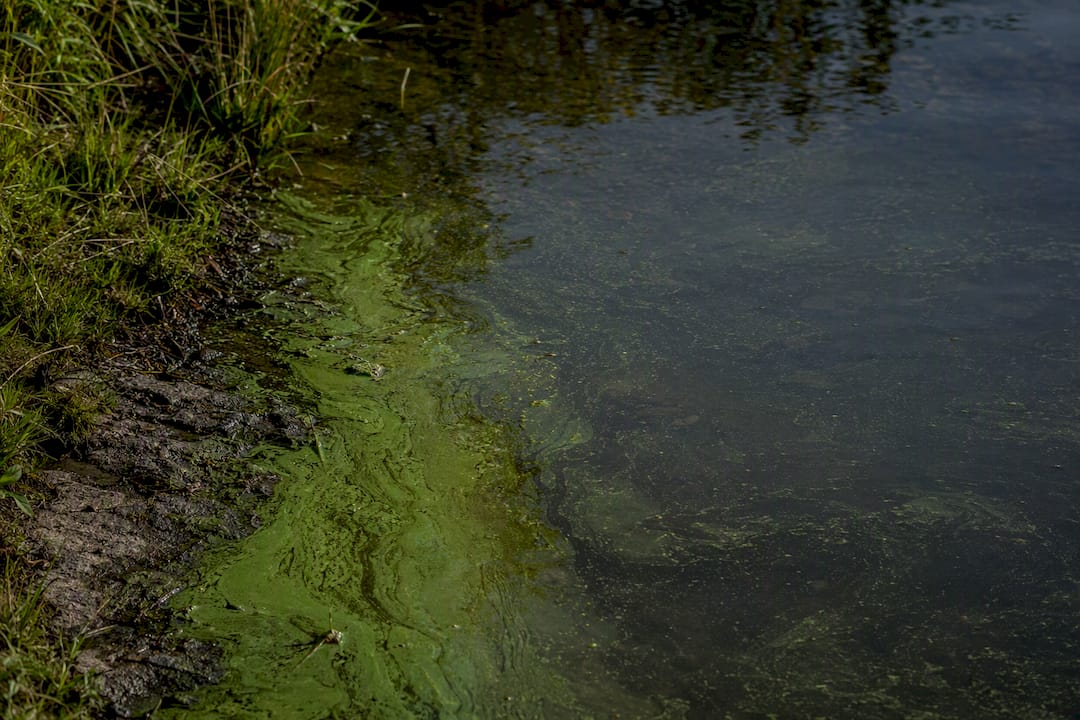
Algae blooms, particularly the blue-green variety that Swedish municipalities warn against each summer, tend to develop faster in warm, still, nutrient-rich water. That is one reason a badplats notice matters just as much as the temperature reading itself, since a warm, inviting-looking lake can carry a bloom that makes swimming genuinely inadvisable. Always check the municipal page alongside the temperature figure, not instead of it.
Fish and other aquatic life also respond to temperature shifts, generally becoming more active in warmer shallows during the day and retreating to cooler depths as the sun climbs. This rarely poses any risk to swimmers, but it does explain why visibility and the general feel of a lake can shift through a single afternoon.
Oxygen levels in water drop as temperature rises, which affects fish behaviour more than swimmer safety directly, though it is part of the broader picture of why late-summer lakes, warm and sometimes low on oxygen, are more prone to the kind of algae growth that triggers a bathing advisory in the first place.
How providers actually gather their temperature data
The numbers on these aggregator sites come from a genuine patchwork of sources, not a single centralised network.
Municipal sensors form the backbone for many popular badplatser, often installed and maintained by local authorities specifically to monitor bathing sites through the summer season. SMHI contributes its own network of hydrological measurements, feeding broader lake and coastal data into the picture. Energy companies operating hydroelectric or cooling infrastructure on certain lakes also monitor water temperature for operational reasons, and some share that data onward. User reports fill remaining gaps, particularly for smaller lakes without permanent sensor coverage, where a recent swimmer's on-the-ground reading can be the most current information available.
This is precisely why cross-checking two sources helps. Temperaturer.se and Temperatur.nu draw on overlapping but not identical feeds, so a site showing no recent reading on one might have a fresher number on the other. Regular swimmers, and hosts advising guests, often use two sources rather than one: a live aggregator for the up-to-date surface reading, and the municipal badplats page for the water-quality advisory an aggregator simply does not carry.
Examples of live services that publish lake temperatures
A handful of platforms cover the vast majority of what Swedish residents and visitors actually check.
Temperatur.nu remains the broadest map-based option, pulling in sensor data from municipalities, SMHI and other contributors across a wide spread of lakes and coastal bathing spots. Temperaturer.se runs alongside it with live and historical figures, useful if you want to see how a lake has trended over recent weeks rather than just today's snapshot. Klart.se pairs its badväder forecasts with water temperature and municipal badplats details, which suits anyone planning a day out where weather matters as much as the water itself.
Municipal badplats pages, run individually by each local authority, remain the definitive source for water-quality advisories and closures, information the aggregator sites generally do not carry themselves. SMHI sits above all of these as the scientific authority on lake thermodynamics, explaining the seasonal patterns behind the numbers rather than publishing site-by-site bathing readings in the same consumer-facing way. Between these five, most swimmers have everything they need to make an informed decision before getting in.
Seasonal and regional variation across Swedish lakes
A single badtemperatur sjö figure means very different things depending on when and where you check it.
Early summer lakes, especially in northern regions, often lag well behind the calendar, since ice-out timing and a slower warming curve mean a lake can still feel genuinely cold well into June. Southern lakes and shallower ones tend to warm faster and hold heat longer into autumn, which is part of why the same swim that feels comfortable in Skåne in September might already feel bracing in Norrland.
Depth and size drive much of this regional difference. SMHI notes that larger, deeper lakes change temperature more slowly than small, shallow ones, which is why a modest forest pond can feel like proper summer swimming while a large regional lake nearby is still noticeably cooler on the same July afternoon. Peak comfort for most lakes tends to land in July and August, with a gradual cooling through September as nights lengthen and the water loses heat faster than it gains it during shorter days.
None of this replaces checking the current reading for your specific site. Seasonal patterns tell you roughly what to expect; the live figure tells you what is actually true today.
Why the live number matters less than how you use it
The conventional advice on this topic stops at "check the temperature," as though a single figure settles the matter. It does not. The genuinely useful skill is reading a live number alongside wind, sun exposure and how long you have actually acclimatised, then adjusting your plan accordingly rather than treating 15°C on a screen as a fixed verdict.
What gets underrated is how much the entry itself determines the outcome. Most cold-water incidents trace back to a sudden plunge rather than the temperature reading being wrong. A slow wade into 12°C water is a manageable, even enjoyable, experience. A dive into the same water is a different event entirely.
If there is one priority worth taking from all of this, it is sequencing: check the live reading, glance at the municipal advisory, then enter slowly with someone else nearby. In that order, not the reverse. The number gets you informed. The entry is what actually keeps you safe.
If a slow, restorative approach to lake bathing appeals, a countryside stay with quiet lake access and sauna facilities can provide a natural way to warm up afterwards. Details on the house and its facilities, or what to expect from a countryside stay more broadly, are worth a look before booking a stay built around exactly this rhythm, via Villa Sakis.
— Christian
Sources
For a live reading right now, Temperatur, Temperaturer and Klart cover the great majority of Swedish bathing sites between them.
- Temperatur
- Temperaturer
- SMHI — Vattentemperatur i sjöar
- Met Office — Cold water shock: how to stay safe
- Cold water swimming: benefits and risks — PMC
FAQ
How do you know if you can swim in a lake?
Check a live source such as Temperatur.nu or the municipal badplats page for both the current temperature and any water-quality notice, then judge based on the temperature band, your fitness, and how you plan to enter the water.
How warm does the water need to be to swim?
There is no fixed cutoff, but most healthy adults find 15°C to 20°C manageable for a short swim, while anything above 20°C feels comfortable for longer sessions.
Is 15 degrees cold for swimming?
Yes, 15°C is genuinely cold and can trigger cold-water shock on sudden entry, though a slow, controlled wade makes a short swim manageable for most healthy adults.
Can you swim in 17 degrees?
Most healthy adults can manage a short swim at 17°C if they enter gradually, though it will feel bracing at first and is not a temperature for a long, leisurely session.