The best way to enjoy a day in the autumn forest is to keep it simple: a slow walk, some careful foraging, a small safe fire, and a bit of craft with whatever the ground offers. Pack for warmth, watch the light change, and let children lead the pace. Villa Sakis has spent seasons hosting families through exactly this kind of outing, and the routine rarely needs more than a few honest essentials.
TL;DR:
- Autumn woodland activities focus on slow walks, sensory foraging, small fires, and natural crafts, emphasizing simplicity and patience.
- Proper packing includes layered clothing, waterproof footwear, a thermos, snacks, and safety items like a phone and first-aid kit.
- Only pick confidently identified fruit and nuts, avoid eating wild mushrooms unless verified by an expert, and respect local access rules.
- Good birdwatching and photography require stillness, early or late visits, binoculars, and camera settings optimized for low light.
- Protect the forest by taking only what can be used, extinguishing fires completely, and leaving no litter or unrecognized fungi behind.
Table of Contents
- Top autumn activities to try in the forest
- What to pack for a comfortable day out
- Foraging safely: what's ripe and what to avoid
- Watching wildlife and photographing the light
- Campfire cooking and quick woodland crafts
- Firsthand tips from Villa Sakis for a better autumn outing
- How autumn weather changes forest accessibility
- Protecting the forest while you enjoy it
- A publisher's reflection on slowing down in the woods
- Turn your forest day into a full autumn break
- Sources
Top autumn activities to try in the forest
Autumn asks little of you and gives back a great deal. The leaves have already done most of the work, thinning the canopy so light, sound, and smell all become sharper. Falling foliage exposes undergrowth and topography that summer hides completely, which is one reason autumn forest activities so often centre on watching and gathering rather than covering ground fast.
Here is a shortlist that works for most family groups, roughly in the order of a single outing:
- Leaf-walking with a sensory game. Ask children to collect one leaf of each colour, or count how many different shapes they find in ten minutes. It slows everyone down without anyone noticing they've slowed down.
- Light foraging. Blackberries, rosehips, sloes, and chestnuts are the easy, low-risk finds of the season, alongside mushrooms for anyone confident in identification.
- A small campfire, built only where it's permitted, for warming hands and cooking something simple.
- A hands-on craft, using whatever the ground has already dropped rather than anything bought.
- A short birdwatching pause, standing still near older trees for five or ten minutes before moving on.
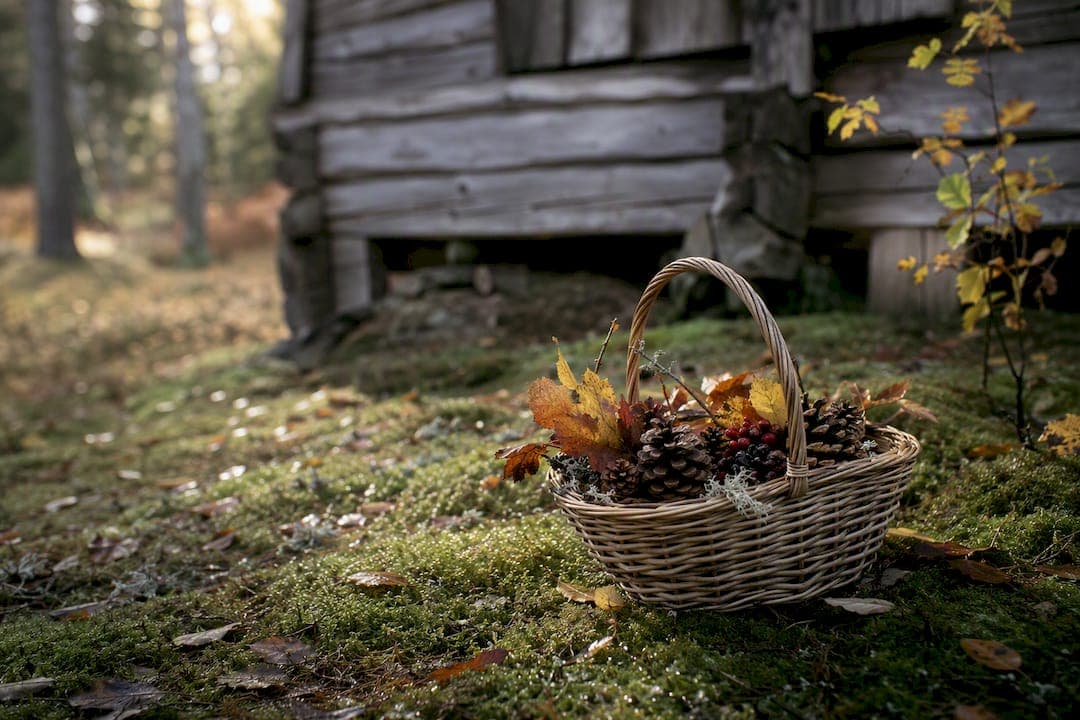
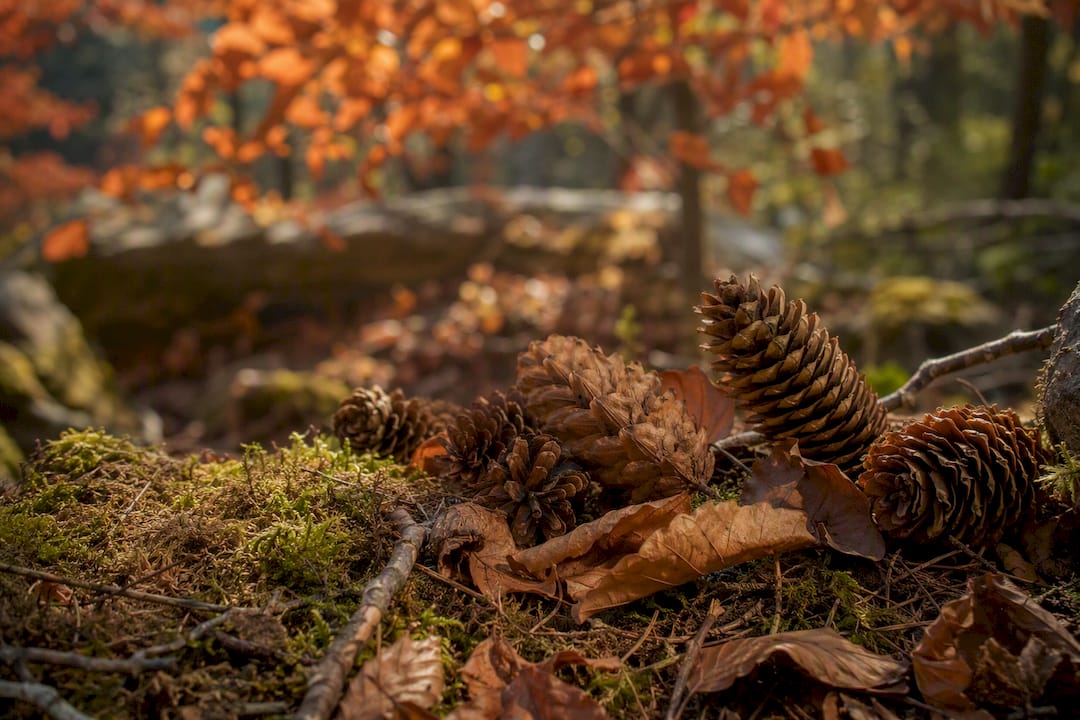
Mushrooms deserve a word of caution on their own, which the next section covers properly. For crafts, pine cones, acorns, and curled bark make quick woodland decorations or a simple mobile, and the only real rule is to take only what has already fallen and leave any packaging or offcuts behind.
Photography rewards patience here too. The lower autumn sun creates a longer golden hour than summer allows, and mist often sits low over damp ground in the first hour after dawn.
Pro Tip: Let one child carry a small basket "for treasures" rather than announcing a foraging walk. The basket does the motivating; you just supply the patience.
What to pack for a comfortable day out
Comfort, not distance, decides whether an autumn walk feels magical or miserable. Layering matters more than any single garment: a base layer, a warm mid layer, and a genuinely waterproof outer shell will outperform one thick coat every time conditions turn damp. Footwear should be waterproof rather than merely water-resistant, since autumn ground holds moisture long after rain has stopped.
Pack for the body as much as the weather:
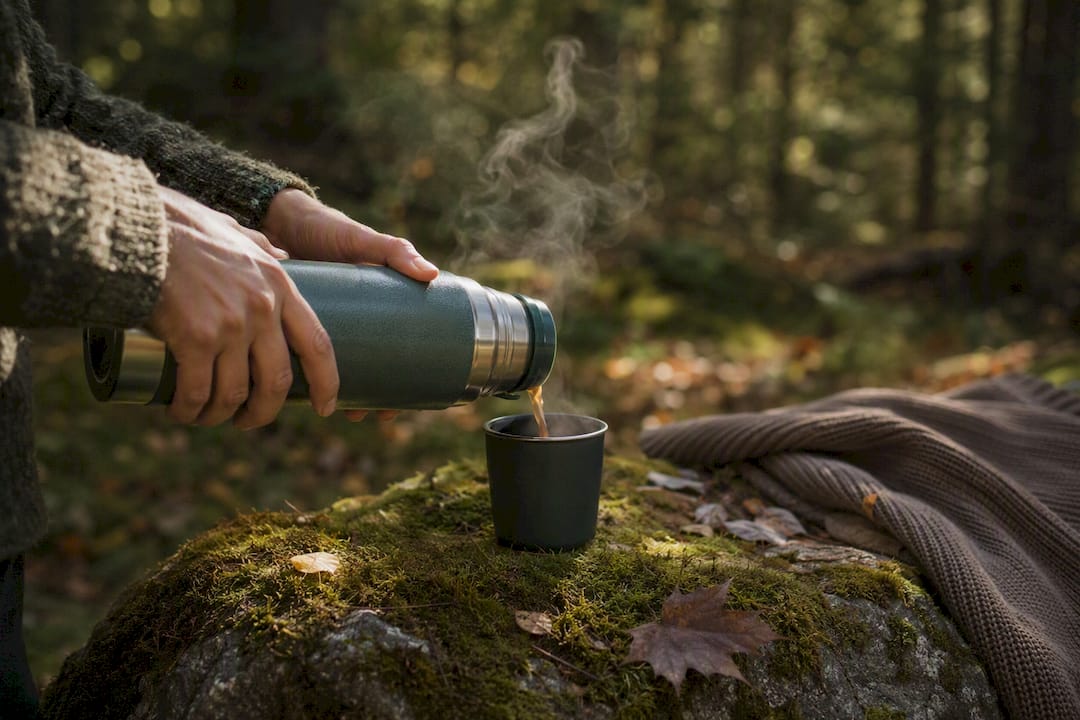
- A thermos of something hot, timed to arrive at the halfway point rather than the start
- Snacks with real substance (bread, cheese, fruit) rather than anything that melts or crumbles
- A charged phone and a basic first-aid kit
- Tick-checking after the walk, particularly around ankles and hairline
Choose a day with a clear forecast window rather than the "best" day on paper, and tell someone your rough route and return time before you leave. A well-fed, warm, dry group notices more wildlife and complains less than one that's cold and hungry, regardless of how the forest itself behaves that day. A proper layering checklist removes most of the guesswork before you even reach the treeline.
Foraging safely: what's ripe and what to avoid
Autumn's harvest is generous but unforgiving of guesswork. Blackberries, elderberries, rosehips, sloes, and sweet chestnuts are widely available across autumn woodland, and none carry serious risk if picked correctly. Mushrooms are a different matter entirely.
The rule that matters most: photograph it, identify it properly, and never eat anything you aren't completely certain about. A single misidentified mushroom can cause serious harm, and even experienced foragers occasionally confuse edible species with toxic look-alikes.
- Only pick fruit and nuts you can identify with total confidence
- Treat every unfamiliar mushroom as inedible until an expert confirms it
- Respect protected areas and any local access rules, including Sweden's allemansrätten, which grants broad access but expects visitors to leave land undamaged
- Contact a local mycological society, nature centre, or a reliable field guide before eating anything gathered wild
Mushroom poisonings sometimes happen when foragers mistakenly believe they have identified the species correctly. That single statistic is reason enough to treat identification apps and confident memory as a starting point, never a final answer.
Watching wildlife and photographing the light
Autumn rewards stillness over movement. Standing quietly near older, less-managed woodland for ten minutes usually reveals more than an hour of walking, because deadwood and dense undergrowth attract the insects that draw in birds like thrushes and woodpeckers. Migration is also underway, so flocks of visiting species often pass through alongside residents settling in for winter.
For photography, arrive earlier or stay later than feels natural. The season's low sun angle stretches the golden hour well beyond its summer length, and phone cameras handle this light better than most people expect if you avoid the flash entirely.
- Binoculars, even a compact pair, dramatically improve bird spotting
- A phone or camera set to portrait or "night" mode softens harsh contrast in low light
- A notebook for jotting sightings, since memory fades faster than you'd think
Pro Tip: Sit with your back to a tree rather than standing in the open. Birds read stillness against a solid shape as safety far faster than a moving silhouette.
Campfire cooking and quick woodland crafts
Keep both simple. A small fire at a designated site is enough for toasted bread, foil-wrapped apples with cinnamon, or sausages on a stripped stick, and none of these need more than matches, foil, and supervision.
Crafts work the same way:
- Thread fallen leaves onto string for a simple garland.
- Stack small stones or pine cones into a miniature woodland sculpture.
- Press leaves between paper in a bag overnight for flattened keepsakes.
Extinguish fires completely, pack out every scrap of foil and string, and leave crafted pieces to decompose naturally rather than carrying them home in plastic.
Firsthand tips from Villa Sakis for a better autumn outing
Christian, who writes much of the Villa Sakis journal, treats a forest outing the same way he treats a long training run: start slower than feels necessary, and let the middle stretch reward the patience. Guests who've stayed at the farmhouse often mention how a hot drink timed to a rest stop, rather than gulped at the start, changes the whole mood of the walk. Villa Sakis keeps its own store of dry layers, thermoses, and local trail notes on hand precisely because comfort, not distance, decides whether an autumn day is remembered fondly.
How autumn weather changes forest accessibility
Autumn weather shifts fast, and it changes what a forest allows more than any other season. Rain saturates paths within hours, turning firm ground into something closer to soft clay, and low-lying trails can hold standing water for days after a heavy spell. Wind matters too: gusty conditions bring down loose branches from trees already weakened by summer stress, so sticking to established paths rather than wandering under dense canopy is sensible advice on breezy days.
Fog and early dusk shrink the practical daylight window considerably. A route that felt generous in August can leave you finishing in near darkness by late October, so checking sunset time before setting out matters more than checking the weather forecast alone.
Temperature swings between morning and afternoon are often sharper than people expect, particularly near water or in valleys where cold air settles overnight. Mud, low light, and sudden cold combine to make navigation harder than the same walk would be in spring, so carrying a paper map or a downloaded offline route is worth the small effort, since phone signal in denser woodland is never guaranteed.
Protecting the forest while you enjoy it
Every autumn outing leaves some trace, and the goal is simply to keep that trace as light as possible. Take only what you can identify and intend to use, whether that's berries for a jar of jam or a handful of pine cones for a craft table. Leave fungi you don't recognise exactly where they are; mushrooms play a genuine role in breaking down deadwood and feeding the wider ecosystem, and picking indiscriminately disrupts that quietly for no real benefit.
Fires belong only at designated sites, fully extinguished before you leave, with ash cold to the touch. Craft materials should come from what has already fallen rather than what's still living on the tree or bush, and any string, ribbon, or wrapping used in a project should leave the forest with you rather than staying behind as litter.
Sweden's allemansrätten grants broad public access to nature, but it comes paired with an expectation that visitors leave land undisturbed. That balance, access paired with responsibility, is really the whole ethic in miniature: treat the forest as something you're borrowing for an afternoon, not something you're entitled to reshape.
A publisher's reflection on slowing down in the woods
There's a particular kind of quiet that only autumn produces, somewhere between the last insect hum of summer and the hard silence of winter. A short walk, a fire, a leaf collected without purpose: none of it asks much, yet all of it lingers longer than the hour it takes. A stay that continues past the walk, into an evening indoors with the same calm carried through, tends to be the difference between a nice afternoon and a restorative one.
— Christian
Turn your forest day into a full autumn break
Villa Sakis is the natural extension of exactly this kind of day: a historic 18th-century log farmhouse with direct access to pine forest and meadow, a self-catering kitchen for whatever you've foraged or picked up locally, and a private sauna for warming up once the light fades. Rooms keep their original timber character rather than anything polished into a generic holiday let, which suits families who've spent the day muddy and want somewhere honest to land.

For anyone weighing up holiday homes for an autumn trip, a working farmhouse with its own forest edge offers something a hotel simply can't. Check dates and book a stay at Villa Sakis to turn one good forest day into a proper autumn pause.