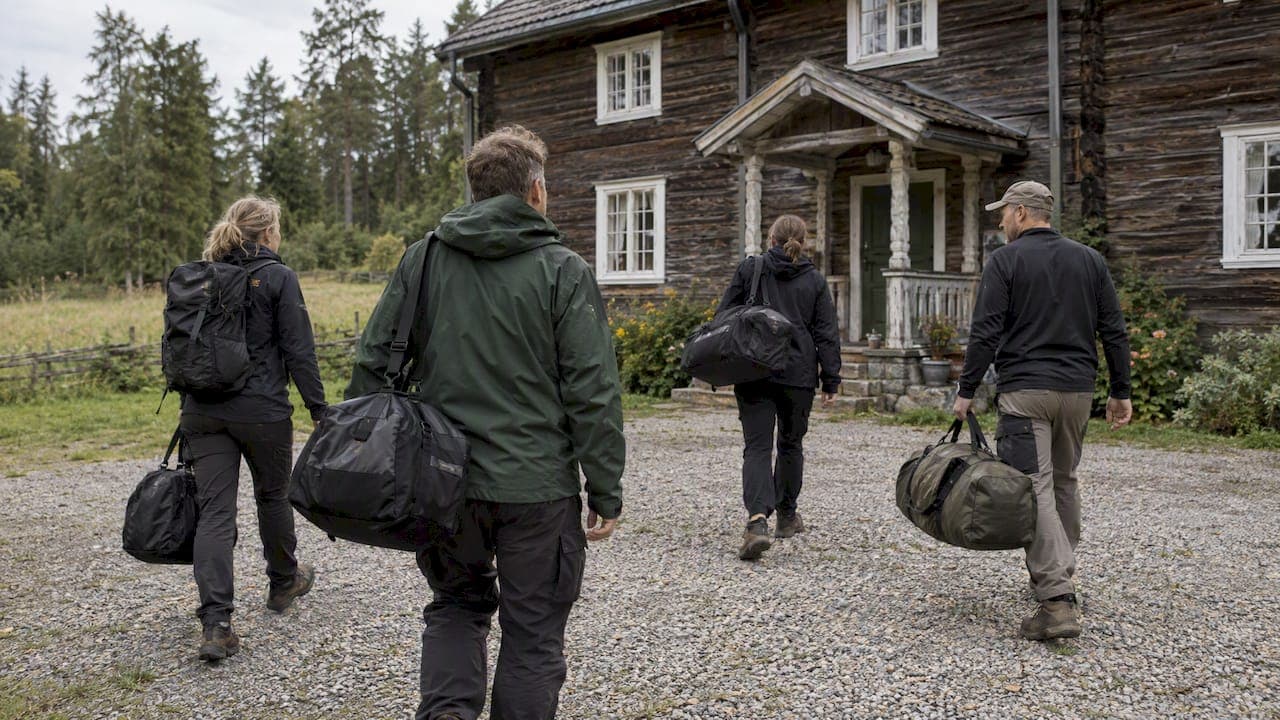
Yes, most Swedish clubs can run their own camp, and in-house organising (egen regi) is the sensible default. Start by checking venue availability in the SportsCamp Sweden register, then read the Trygg idrott guidance from Riksidrottsförbundet before you promise places to any young player.
TL;DR:
- Simple lodging starts near 125 SEK per person per day; full service weekend packages cost 1,350–1,600 SEK, and suppliers should confirm VAT treatment.
- Send every venue the same written request for dates, training hours, hourly rates, equipment, changing facilities, and catering, then compare per person prices.
- Choose a package when volunteer capacity is limited; self organizing gives cost and schedule control but leaves meals, bookings, and logistics to club volunteers.
- For youth camps, request background checks for anyone aged 15 or older working with children, set supervision and reporting procedures, and brief leaders before departure.
Table of Contents
- Which format suits your team: a ready-made package or egen regi?
- Where can you find sports facilities and group accommodation?
- What accommodation works best for a team?
- What does a camp cost, and how does VAT affect it?
- What safety and safeguarding steps must you take?
- How do you plan the camp from first idea to debrief?
- When does a nature-based whole-house stay suit a team?
- FAQ
- Sources
Which format suits your team: a ready-made package or egen regi?
A ready-made package (färdigt paket) bundles training slots, lodging, meals and sometimes officials into one price. Organising in egen regi means your association acts as main organiser, booking the venue, coordinating meals and setting the schedule yourself.
- Cost control: in egen regi you pay for exactly what you use, while packages trade some control for convenience.
- Flexibility: your own schedule lets you shift sessions around weather, fatigue or match plans.
- Included services: packages often cover food and logistics, whereas in-house camps need a volunteer to own each task.
- Logistics: more work falls on your team manager when you organise yourself, so be honest about volunteer capacity.
Start by naming the camp's main goal: technical work, conditioning or team bonding. Industry advice is that this decision determines whether you need extra coaches or simply a quiet place to work.
Where can you find sports facilities and group accommodation?
The most efficient route is a national register. SportsCamp Sweden lets you shortlist venues by sport and region, and large arenas such as Fyrishov show how an arena can combine training halls, lodging and meals, with published per-person prices. Municipal arenas and holiday-village operators are worth a direct call too.
When you contact a venue, send the same enquiry to each one so quotes compare fairly:
- Available dates and any flexibility either side.
- Training surface, and the hours you can use it.
- Cost per hour, and whether group rates apply.
- Equipment included, such as goals, balls or gym kit.
- Changing rooms and showers for your squad size.
- Catering options, including dietary needs.
Pro Tip: Ask for the quote in writing with the per-person price and what it covers, so a later comparison between venues is like for like.
What accommodation works best for a team?
Match the format to your squad size and how much recovery matters. Whole-house rentals suit small-to-medium squads that want privacy and their own kitchen. Cabins and cottages work for groups that like to split into smaller units. Hostels and holiday villages, such as the First Camp type of site, suit larger groups that prefer on-site services.
Before you book, check these points:
- Kitchen size and dining capacity for the whole squad at one sitting.
- Meeting space for tactics sessions and briefings.
- Sauna or lake access, which helps recovery between sessions.
- Sleeping configurations, so coaches and younger players are placed sensibly.
- Transport to the training venue and parking for minibuses.
- Storage space for kit, balls and medical supplies.
If you plan to cook for yourselves, this practical guide to self-catering stays shows how to plan meals around group lodging.
What does a camp cost, and how does VAT affect it?
Treat these figures as budgeting anchors, not quotes. According to Skatteverket-linked camp guidance, a self-organised camp can cost from about 125 SEK per person per day for simple lodging, while full-service weekend packages commonly run from 1,350 to 1,600 SEK per person. Examples from Sportstugan also start around 125 SEK per person per day.
Budget anchor: simple lodging from 125 SEK per person per day, full-service weekends 1,350–1,600 SEK per person.
VAT treatment depends on the supplier. Municipalities often provide facilities as part of their public mission, and most non-profit associations are tax-exempt, yet rules vary, so confirm with the venue or Skatteverket before you finalise the budget. Ways to bring the per-person cost down:
- Fundraise early, so the camp fee is not carried entirely by families.
- Share transport and fill every minibus seat.
- Stagger bookings to avoid peak dates where you can.
- Negotiate meal plans for the whole stay rather than paying per meal.
What safety and safeguarding steps must you take?
For a youth camp, include safeguarding checks in your planning and consult the Trygg idrott guidance for current advice on working with children. It must be backed by active safety work, and Riksidrottsförbundet asks you to put the child's perspective first through ongoing, value-based dialogue.
Make it routine:
- Name one person who requests the registerutdrag.
- Log each check with the date and the person's role.
- Repeat checks on a regular cycle, for example annually.
- Agree a reporting route so any concern reaches a named adult quickly.
- Set supervision ratios and a sober environment for the whole stay.
The guidelines for child and youth sport and the best-interests guidance both stress that leaders own routines, documentation and decisions.
Pro Tip: Keep one shared folder with the checks, the contact list and the reporting route, and brief every leader on it before departure.

How do you plan the camp from first idea to debrief?
Work backwards from the camp dates:
- In the early planning stage: define goals, set the budget and shortlist venues.
- As plans take shape: confirm bookings and check the current safeguarding guidance.
- 1–2 weeks out: finalise lists, check kit and confirm meals.
- On site: hold a safety briefing, then follow the daily schedule.
- After the camp: run a short debrief and gather feedback from players and leaders.
A sample camp rhythm balances work and rest:
- Day one: morning technical session, a midday meal, an afternoon conditioning block, then a team meeting and early evening recovery.
- Day two: a lighter morning session, match play or small games, a closing review and travel home.
Also keep a contact list with an emergency contact, the venue contact, the team manager and a first-aider. For recovery-focused ideas, our guide on running a self-guided retreat in Sweden and our checks before booking a nature training retreat map neatly onto this timeline.
When does a nature-based whole-house stay suit a team?
A private farmhouse gives a small-to-medium squad something a hostel rarely can: quiet, a shared kitchen and recovery spaces such as a sauna and a lake. Teams that value cohesion and rest between sessions tend to get the most from it. The limit is practical: you still need to secure training slots at a nearby venue and arrange transport. If that trade-off appeals, get in touch with us and we will talk through how our house could fit your plan, or read what to expect from a Swedish countryside stay.
— Christian
FAQ
What is a träningsläger?
A träningsläger is a structured period when a team combines specialised sports facilities, accommodation and meals to train intensively. It can be organised by the club itself or bought as a ready-made package.
Where can I find a training camp venue in Sweden?
Start with the national register at SportsCamp Sweden, which lists facilities and camps by region and sport. You can also contact municipal arenas and holiday-village operators directly.
How much does a sports camp cost?
It depends on how much is included. Skatteverket-linked guidance cites from about 125 SEK per person per day for simple lodging, while full-service weekend packages commonly range from 1,350 to 1,600 SEK per person.
What do I need to check before running a youth camp?
Request a registerutdrag for anyone aged 15 or older who will work with children, and agree reporting routes and supervision before you travel. The Trygg idrott guidance explains the requirement in full.