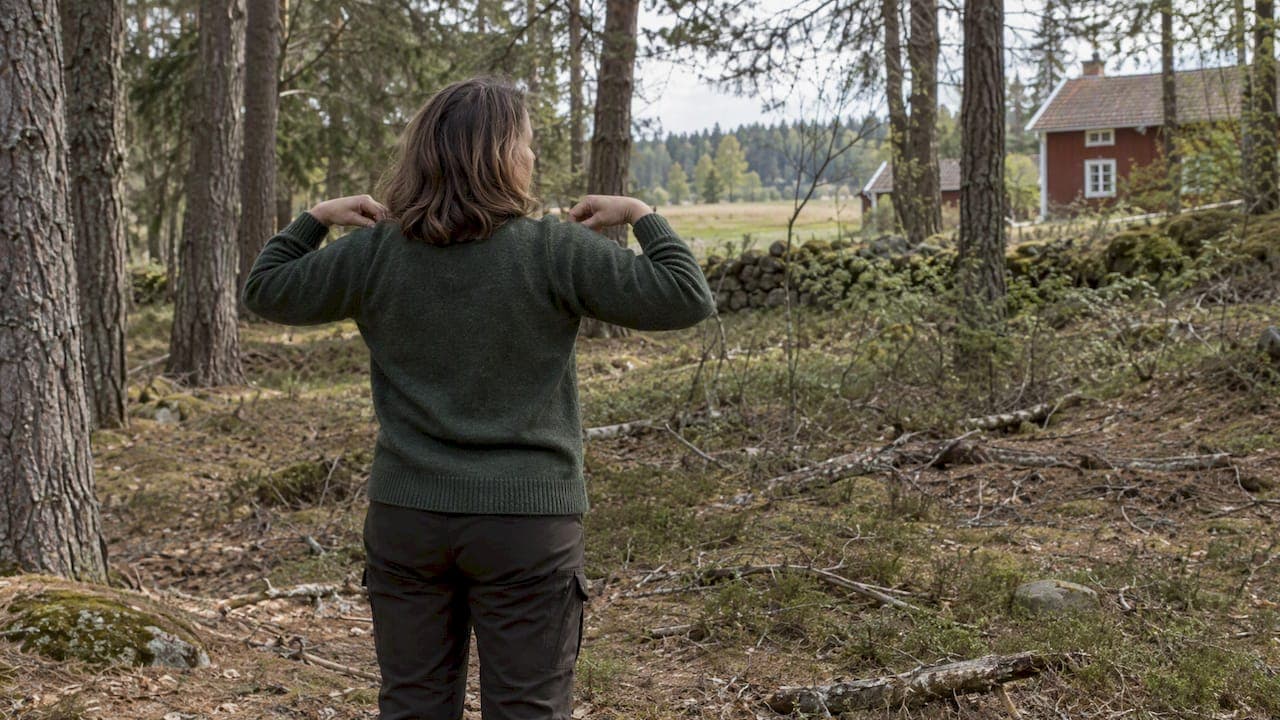
Active recovery in nature means resting through gentle movement outdoors rather than lying still or training hard. You walk, stretch, swim and sit by the water, then you eat, sleep and let the day end quietly. The aim is a rhythm of effort and ease, not a programme to complete. Below we set out what the research supports, how to shape a day or a weekend around it, and what a place needs for it to work.
TL;DR
- Active recovery is light, unhurried movement in natural surroundings, alternating with real pauses. It is not a second workout.
- Folkhälsomyndigheten (the Swedish Public Health Agency) points to roughly 120 minutes of time in nature a week as a useful planning minimum, in one stretch or several.
- The evidence is strongest for mood and perceived stress. It is more mixed for physical stress markers, so promise yourself a good rhythm rather than a cure.
- Leave air between activities: a walk, then food, then sauna or a swim, then stillness. Finish the evening without screens.
- Choose a place where forest, meadow and water start at the door, so that going outside takes no planning.
Table of Contents
- What we mean by active recovery
- What the research does and does not say
- How much nature is enough
- A restorative day, step by step
- What to do in the forest and by the water
- Sauna, cool water and the recovery rhythm
- Who it suits, and how to shape it
- Our perspective
- Choosing a place for active recovery
- Stay at Villa Sakis
- FAQ
- Sources
What we mean by active recovery
In sport the phrase usually describes an easy session the day after a hard one. In the countryside it has a wider and gentler meaning. Folkhälsomyndigheten describes friluftsliv (outdoor life) as time outdoors for wellbeing and the experience of nature, which can be physical activity or quiet moments of rest. It is not about competing or performing.
That distinction matters. Much wellness writing quietly turns rest into another task: ten thousand steps, a cold plunge, a sunrise run. A restorative stay works the other way round. Movement is there to loosen the body and clear the head, and doing less is always an acceptable choice.
The Swedish healthcare guide 1177 describes recovery as breaks from stress so that body and brain can rest and regain energy. Its suggestions include resting, moving, sleeping well and spending time in nature, along with activities you simply enjoy. Active recovery sits where those ideas meet.
What the research does and does not say
It is worth being honest here, because this topic attracts big promises.
Mood and perceived stress. A 2023 systematic review of nature-based walking covered 17 studies and 1,209 adults. It found improvements in mood, optimism, psychological wellbeing and connection to nature, and reductions in stress, anxiety and rumination. Compared with urban walks, the clearest advantages were for anxiety and rumination. The authors note that the studies varied a lot, and that nature-based approaches should not replace psychotherapy when clinical treatment is needed.
Physical stress markers. A 2020 systematic review of 12 studies found an inverse relationship between nature exposure and several physiological stress markers in all seven studies that measured them. Self-reported stress fell in five of the six studies that asked about it. Yet an earlier 2019 review of outdoor nature-based interventions found a good evidence base for emotional stress relief but mixed physiological results. Taken together: nature reliably helps people feel calmer, and the body measurements are encouraging but less uniform.
What that means in practice is simple. A few days outdoors will probably help you feel better. It will not undo years of overload in a weekend. If you are struggling with long-term stress or exhaustion, speak to your vårdcentral (primary care centre) or doctor. A countryside stay can support recovery, but it is not treatment.

How much nature is enough
Folkhälsomyndigheten refers to research in which 120 minutes of nature a week, continuous or split up, is associated with better health and wellbeing. Treat it as a floor for planning, not a target to beat. The agency also stresses that outdoor life can be anything from an everyday walk to a longer trip.
On holiday that number is easy to pass without noticing. Two slow walks a day, an hour by the lake and an evening on the porch already add up to more than a typical week at home. The useful question is not how much, but how little effort it takes to step outside. The same agency reports that proximity increases regular use of green space, and gives about 300 metres from home as a guide for daily use. Parks of at least one hectare can support recovery. On a stay, the equivalent is stepping out of the door into trees and open meadow, with no car and no kit.

A restorative day, step by step
The pattern that works best is alternation. Here is a day we would recommend to most guests, adjusted to your energy and company.
| Time | What | Why it helps |
|---|---|---|
| Morning | Slow breakfast, then a 30 to 45 minute walk at an easy pace | Daylight early in the day supports your body clock |
| Late morning | Stretching or mobility on the grass, or simply sitting | Loosens the body without effort |
| Midday | Cooking together and a proper lunch | A real pause, not a refuel |
| Afternoon | Rest, reading, or a second short walk; a swim if the weather allows | Variety, not volume |
| Early evening | Sauna in short sessions, then cool down | Winding the body down |
| Evening | Supper, low light, no screens, early bed | Prepares sleep |
The daytime and evening parts are not arbitrary. 1177 notes that being outside and active can make it easier to fall asleep, and that regular physical activity often means better sleep. Daylight and outdoor activity also support the daily rhythm. A walk in the morning and a calm, dim evening do more for sleep than any gadget.
Leave air between the activities
The most common mistake is filling a recovery weekend with plans. A walk at ten, a hike at one, a sauna at four, a dinner booking at seven: that is a schedule, not a rest. We suggest choosing one anchor for the morning and one for the afternoon, and letting everything else happen or not.
What to do in the forest and by the water
The list is longer than most people expect, and most of it needs no equipment. Suggestions that suit different levels of energy:
- Walking at a deliberately slow pace. Notice smells, sounds and light. It sounds trivial and it is the core of the whole thing.
- Picking berries and mushrooms where it is permitted. Allemansrätten, the Swedish right of public access, gives you freedom to roam, pick berries and mushrooms with the responsibility to show consideration for animals, nature, landowners and other people.
- Birdwatching and photography, which reward patience rather than distance.
- Yoga, stretching or mobility on a meadow or a jetty.
- A picnic, an unhurried swim, or a book in the shade.
- Orienteering or nature bingo for families who need a small game to get children moving.
- A calm walk followed by sauna and a dip.
For children, the advice from Folkhälsomyndigheten is to favour variety without demands: paths, woodland, water, open ground and materials for free play offer more than a strictly planned activity, and such nature-like environments link to movement, motor skills, imaginative play and recovery. Let them wander.
A note on nature-based rehabilitation
Some Swedish regions run clinical nature-based rehabilitation for stress-related illness. In Jönköping County, for example, the programme runs twice a week for ten weeks and is led by professionals such as an occupational therapist, a psychologist and a gardener. That is healthcare. A holiday in the countryside is a different thing, and we would not describe it as an equivalent.
Sauna, cool water and the recovery rhythm
Sauna and a swim fit naturally into active recovery because they sit at the end of the day's movement, not in place of it. Keep sessions short and comfortable, drink water, and cool down at your own pace. If you have a heart condition, are pregnant, or take medication that affects circulation or blood pressure, ask your doctor before using heat or cold water.
If you want the detail, we have written separately about sauna for athletes in the Swedish countryside and about a private sauna weekend with short 15 to 20 minute sessions.
Who it suits, and how to shape it
Burnout and heavy stress. Aim for a modest block of two to four days with a gentle daily routine. We explain how in making a nature retreat restorative for burnout. The 1177 advice points to recovery as a rhythm of activity, pause and sleep, and a quiet evening is as important as the walk. A digital detox is credible when combined with daylight, daily movement and a realistic evening routine, not when it is sold as a quick fix.
Athletes and training travellers. An off-season stay can include easy aerobic work, mobility and sauna, with a clear rule that nothing becomes a test. Active recovery is the point, so the pace stays conversational.
Couples. The simplest gift is time without an agenda. See our notes on a romantic nature weekend built around 120 minutes outdoors.
Families and friends. Mix one shared outing with free time. Children recover through play, adults through a pause, and a large house with space to spread out helps both.
Planning a longer stay. For a more structured version, our four-day nature wellness itinerary and the guide to two 48-hour restorative weekends lay out the days in more detail.
Our perspective
We look after an old log farmhouse in Bergslagen, built in the 1700s and cared for by generations. We have watched what happens when guests arrive tired. On the first day many of them try to do everything: the long walk, the lake, the sauna, the reading. By the second day they have usually stopped keeping count.
That is the shift we value most. The house is built from honest timber, the meadow begins at the door, and there is nothing nearby that needs you to perform. We think that is what active recovery is for. Movement is a way of getting out of your head and into the day, and rest is not something you earn by exercising first.
Our advice is plain. Pick one reason to go outside each half-day. Walk slowly. Cook something simple. Let the sauna be short and the evening long. If you notice you are optimising your recovery, put the watch down.
— Christian
Choosing a place for active recovery
The research on green space points to one practical conclusion: closeness beats grandeur. When you have to drive, pack and plan to reach nature, you are less likely to go out. Look for these things when you choose where to stay:
- Forest, meadow and water within a few steps. You should be able to walk out without a car.
- A private sauna, so that you can use it when your body asks, not when a timetable says.
- A kitchen, so that meals can be slow and simple, and you can eat when you are hungry.
- Privacy and quiet. Recovery needs few strangers and little noise.
- Space to do nothing, such as a porch, a sofa by a window, a room where you can nap.
A whole-house rental gives you all of this without shared corridors or breakfast timings. Our guide to what to expect from a Swedish countryside holiday covers the practical side. If you are weighing options, an independent guide to choosing a holiday home in 2026 offers general points to compare. And if your restorative year also includes snow, a ski holiday matching service can help you compare resorts for a gentler trip.
Stay at Villa Sakis
Villa Sakis is a whole 18th-century Swedish log farmhouse that you book for private use. It has timber rooms, a private sauna, lake access, direct access to forest and meadows, and a self-catering kitchen. You can see the rooms on the house page and check dates and booking options on our booking page. It is also listed on Airbnb. For ideas on how to spend your days, our journal collects slow-travel notes from the countryside.
FAQ
Is active recovery the same as exercise?
No. Active recovery is light movement at an easy pace, such as walking, stretching or a swim, meant to loosen the body and calm the mind. Folkhälsomyndigheten is clear that outdoor life does not have to be about competition or performance. Sitting quietly outside counts as well.
How long should I stay for it to help?
There is no fixed answer, and the research does not give one. A weekend can lift your mood, while someone carrying heavy long-term stress may need a longer, calmer block of two to four days or more, alongside support from healthcare. The 120 minutes a week mentioned by Folkhälsomyndigheten is a minimum for everyday life, not a holiday target.
Why is nature good for us?
Folkhälsomyndigheten says time in nature can support physical and mental health, concentration, stress management, recovery and social contact. The research is strongest for mood and perceived stress, and more varied for physical stress markers. It is a support for wellbeing, not a replacement for treatment.
What can I do in the forest besides walk?
You can pick berries and mushrooms where permitted, watch birds, take photographs, do yoga or mobility work, have a picnic, play nature bingo with children, or follow a calm walk with sauna and a swim. Choose according to your energy and who you are with, and leave gaps between activities.
Sources
- Folkhälsomyndigheten: Om friluftslivets betydelse för hälsa och välbefinnande
- Folkhälsomyndigheten: Tillgång till vistelse i grönområden
- Folkhälsomyndigheten: Gröna miljöer för barns jämlika hälsa
- 1177: Vad kan jag göra för att minska stress?
- 1177: Sömnsvårigheter
- 1177: Naturbaserad rehabilitering i Jönköpings län
- Effectiveness of nature-based walking interventions: a systematic review (2023)
- Effect of nature exposure on perceived and physiologic stress: a systematic review
- Psycho-physiological stress recovery in outdoor nature-based interventions (2019)
- Naturvårdsverket: Allemansrätten