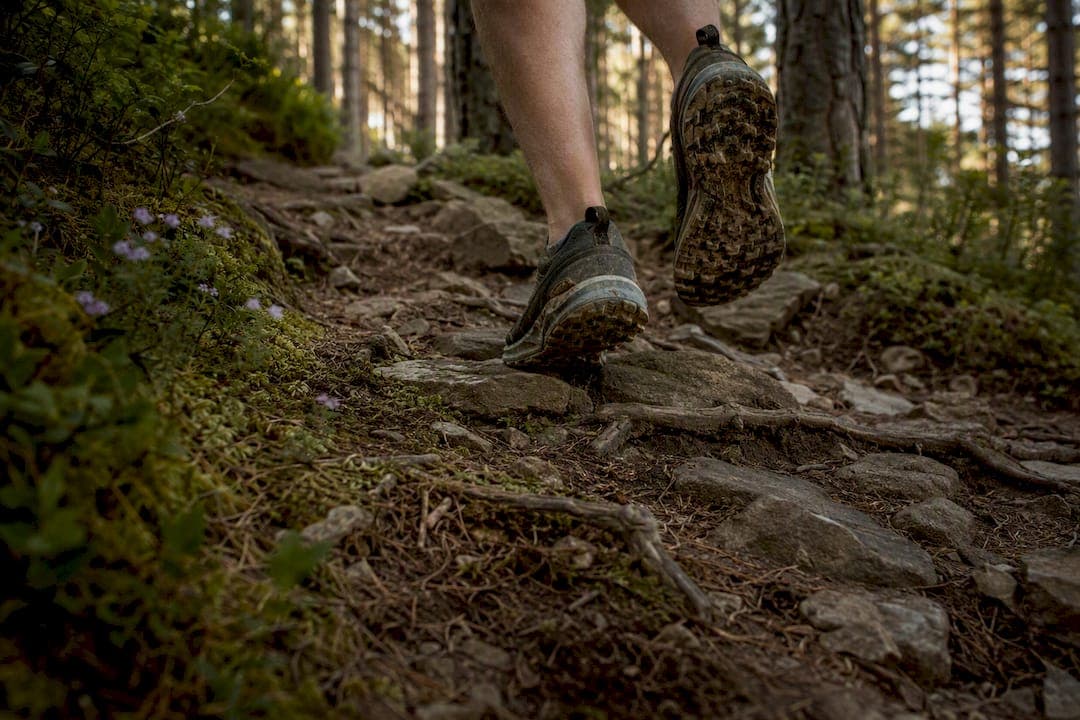
Terränglöpning i skog means running on natural, unpaved ground rather than tarmac. The single most useful thing you can do first is pick a nearby, easy, well marked trail and run it conservatively, with a short stride and your eyes on your footing.
Everything else builds from that first outing. Before you go, check that you have:
- Shoes with reasonable grip, even ordinary trainers for a dry, flat start
- Enough water for the distance
- A route you already know, or a map saved offline
Key Takeaways
Forest trail running rewards conservative pacing, tested kit, and gradual technical progression far more than raw fitness or ambition.
| Point | Details |
|---|---|
| Start conservative | Choose an easy, well marked trail and run with a short stride before adding technicality. |
| Kit matters at the margins | Existing road shoes work on dry flat ground; trail shoes earn their place on mud and roots. |
| Train stability, not just legs | Single-leg balance and hip strength work reduce the ankle-roll risk uneven ground creates. |
| Pack for the unexpected | Carry more water than expected and always know your route before setting off. |
| Base weekends near the forest | Villa Sakis offers direct forest access, a private sauna and kit-drying space for trail-running stays. |
Table of Contents
- What forest trail running actually gives you
- Practical kit: what actually makes a difference for forest trail runs
- Technique and training drills that actually improve forest running
- Safety, navigation and fuelling: what to pack and what to do if things go wrong
- Where to find trails, forest races and local running groups
- A compact 6-week beginner progression for forest terrain
- Plan a trail weekend: combine runs, recovery and where to stay
- A quieter way to base your next trail weekend
- Frequently asked questions
- Sources
What forest trail running actually gives you
Trail running trades tarmac for dirt, roots, mud and rock, and that variety does real physiological work. Uneven ground recruits stabiliser muscles in your feet, ankles and hips that road running barely touches, and the softer surface reduces the repetitive pounding that causes many overuse injuries. Hills add strength work you cannot fake on flat pavement.
- Varied terrain improves balance and coordination, not just leg strength
- Soft forest floor is gentler on joints than asphalt, though roots and rocks raise the risk of a rolled ankle
- Climbing and descending builds glute, quad and core strength faster than flat running
Coaches who train for technical terrain treat the forest as a stability gym in disguise. Swedish coaching guidance from Jakob Åberg's seven tips stresses training specifically for elevation and technical ground rather than assuming road fitness transfers automatically.
"The forest is the runner's best friend" is a common refrain among trail coaches, precisely because uneven ground forces the kind of balance and foot awareness that flat surfaces never demand.
Practical kit: what actually makes a difference for forest trail runs
You don't need a full trail wardrobe to start. On dry, flat, well used paths, your existing road shoes will usually do the job. Once the ground gets muddy, rooty or steep, dedicated trail shoes with aggressive lugs and a rock plate start to earn their keep, protecting your feet and keeping you upright on slick descents.
Clothing matters more in forest terrain than most runners expect. A moisture-wicking base layer, something with light protection against brambles and ticks, and a packable rain shell cover most Swedish forest conditions across the year.
For hydration and small kit:
- A handheld bottle or light vest for runs over 45 minutes
- A snack or gel for anything past an hour
- Phone, a small battery pack, and a basic plaster or blister kit
Pro Tip: Never wear brand new shoes or an untested pack on a long run or race day. Break in every piece of kit on a shorter forest outing first, so blisters and chafing show up when they're easy to fix.
Technique and training drills that actually improve forest running
Good trail technique is less about power and more about rhythm. Shorten your stride, lift your cadence slightly, and keep your gaze three to five metres ahead rather than at your feet, so you spot roots and rocks before you're on top of them. Use your arms actively for balance on uneven ground rather than letting them hang.
- Uphill: short, quick steps; switch to power hiking when running stops being efficient
- Downhill: controlled, shorter steps rather than long braking strides
- Technical ground: practise "quick feet" drills over roots and gravel to sharpen foot placement
Stability and strength work pays off fast here. Single-leg balance drills, hip and glute strengthening, and core work all reduce the injury risk that comes with uneven terrain.
A simple weekly structure:
- One hill session (repeats on any local slope)
- One technical run focused on foot placement, not pace
- One easy recovery run on familiar, gentler ground
Safety, navigation and fuelling: what to pack and what to do if things go wrong
Know your route before you leave the car park, and carry a paper map or an offline map saved on your phone as backup. Tell someone where you're running and roughly when you'll be back. Compass basics are worth learning if you plan to explore beyond marked trails.

Bring more water and food than you think you'll need. For efforts over 90 minutes, a rough guideline is 30 to 60 grams of carbohydrate per hour, adjusted to how your stomach handles it.
If something goes wrong: for a rolled ankle, stop, assess whether you can bear weight, and walk out slowly rather than pushing on. If you're lost, stay calm, retrace your last known point, and use your saved map before wandering further. In cold or wet weather, get moving again quickly or add a layer, since standing still drops your core temperature fast.
| Item | Why it matters |
|---|---|
| Offline map or known route | Prevents getting lost when phone signal drops |
| Water and a carb snack | Covers fuelling for runs over 90 minutes |
| Rain shell | Protects against sudden weather changes in the forest |
| Basic first aid | Handles blisters, scrapes and minor sprains on the spot |
Pro Tip: Check the forecast the morning of your run, not the night before, and pace conservatively on your first few forest outings. Trail running tips consistently note that trail pace and road pace aren't comparable, so racing the clock too early is how injuries start.
Where to find trails, forest races and local running groups
Finding good terrain is easier than most beginners assume. Event and community platforms such as Finishers aggregate forest races and skogslopp across the season, while Runacademy and similar training programmes offer structured coaching for runners moving from road to trail. Local municipal trail pages, and paper or digital maps from providers like Billerud covering forested land, help you judge a route's difficulty before you commit.
- Start with a trail close to civilisation, ideally one with visible markers
- Cross-check distance and elevation on a map app before heading out alone
- Join a local running club or an organised skogslopp to learn technique from more experienced trail runners
- Use event calendars to test a new route in a group setting rather than solo
A compact 6-week beginner progression for forest terrain
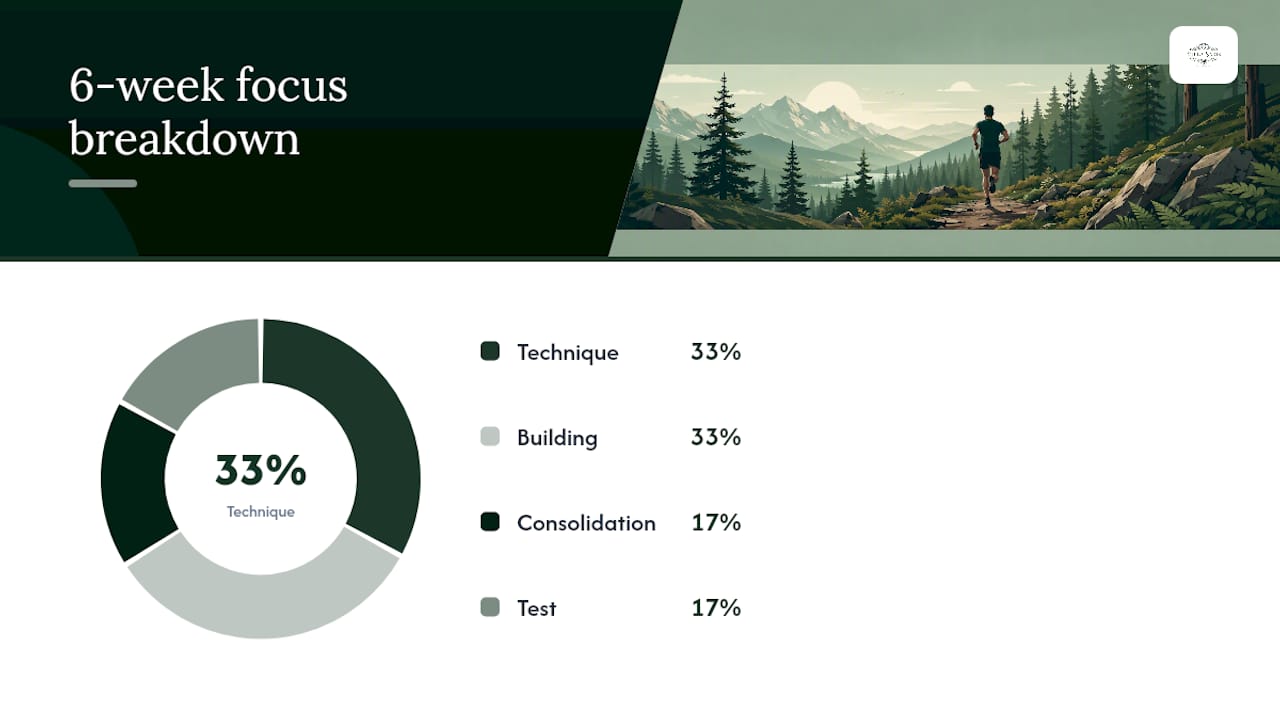
This plan assumes three runs a week and a baseline of comfortable 5k road fitness. Progression is deliberately gradual: technical skill develops through repetition on easy ground before mileage or elevation increases meaningfully.
| Week | Focus | Session outline |
|---|---|---|
| 1 to 2 | Technique | Two easy trail runs plus one hill walk/run session, all on well marked paths |
| 3 to 4 | Building | Add one longer easy run; introduce short hill repeats and quick feet drills |
| 5 | Consolidation | Maintain volume, focus on descending technique and pacing by effort |
| 6 | Test | Slightly longer run on more technical terrain, at conservative effort |
Adjust the technicality up or down based on how your ankles and balance feel after week two. If soreness in unfamiliar muscles lingers past a few days, hold volume steady rather than adding more.
Pro Tip: Test your fuelling strategy, shoes and pack during weeks 3 and 4, not on the week 6 test run. Elite coaching advice consistently points to rehearsing kit and nutrition well before race day.
Plan a trail weekend: combine runs, recovery and where to stay
A well structured weekend beats a single long, ambitious run. Consider this shape:
- Day one: an easy, technical run to read the terrain, followed by rest and a sauna session
- Day two: a longer steady run on familiar paths, then active recovery, stretching or a slow walk
If you're staying somewhere specifically for the trails, look for practical details that matter more than they seem: proper drying space for wet kit, storage for muddy shoes, and easy parking near a trailhead.
- Prep food in advance so post-run hunger doesn't derail the weekend
- Hang wet kit immediately rather than leaving it balled in a bag
- Share transport to trailheads if running as a group
A note from Villa Sakis on running in the forest
Some of the most restorative running happens close to where you're staying, when the forest starts at the door rather than a drive away. Villa Sakis sits amid pine forest and meadow, and its grounds have hosted plenty of guests who lace up before breakfast. Author credentials to follow.
A quieter way to base your next trail weekend
Villa Sakis offers something most trail runners struggle to find near a city: a genuine forest doorstep, without the drive to a trailhead car park first. Direct forest access, a private sauna for the evening after a long climb, proper space to dry and store muddy kit, and a self-catering kitchen for fuelling a group of runners between sessions.

The grounds sit close enough to varied terrain that you can test a new route on the first morning without committing to a long run before you know the ground. Details on rooms and storage are on the house, and weekend dates fill quickly through the season, so it's worth checking availability at Villasakis before settling on plans with a group.
Frequently asked questions
Do I need special trail shoes to start terränglöpning i skog? Not immediately. On dry, flat, well used forest paths, ordinary running shoes are usually fine. Once you're on mud, roots or steep descents, trail-specific shoes with better grip make a real difference.
How is forest trail running different from road running in terms of pace? Expect to run noticeably slower on technical terrain, since footing and elevation matter more than raw speed. Judge effort rather than comparing your trail pace to your road pace.
What's the biggest injury risk when running in the forest? Rolled ankles from uneven ground are the most common acute injury, which is why stability and single-leg strength work matter more here than for road runners.
Where can I find organised forest races near me? Event platforms such as Finishers list forest races and skogslopp by region, while local running clubs and Runacademy-style programmes often organise group runs suited to beginners.
Sources
- Trail running 101
- Jakob Åberg's seven best tips for trail running
- Spring trail – become strong, present and happy
- Trail running tips for beginners
- Trail running basics