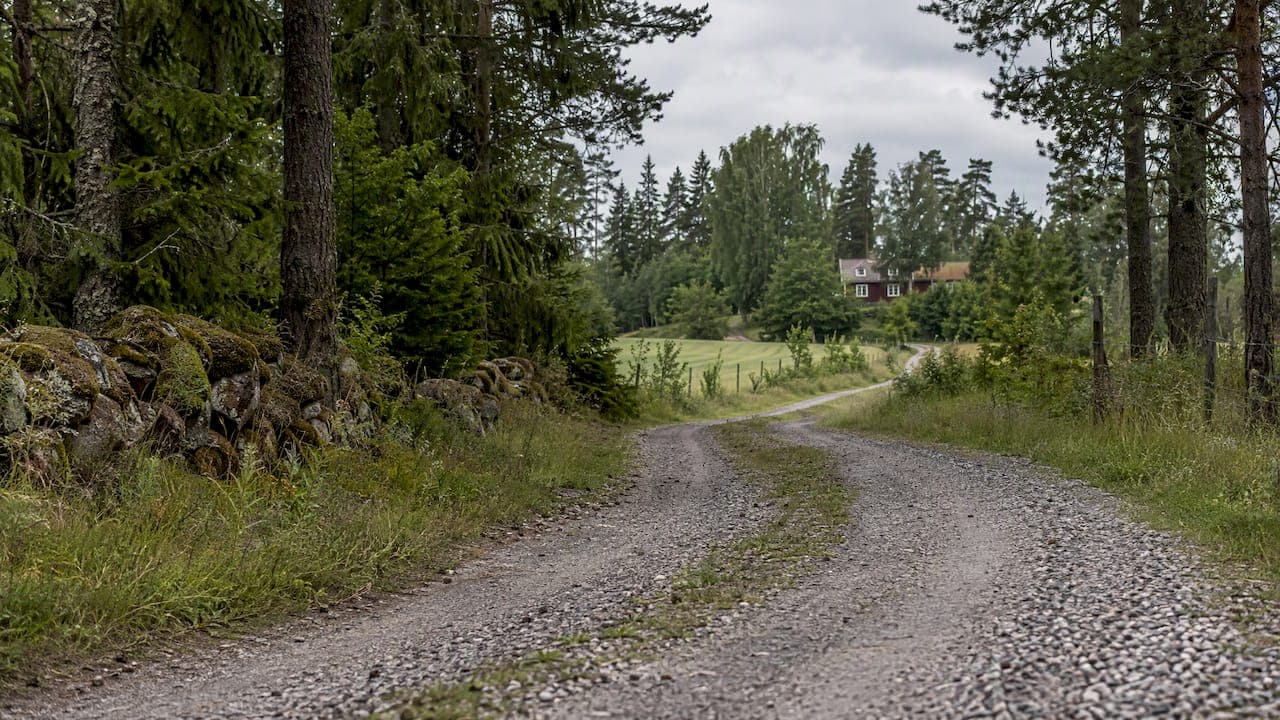
A hållbar natursemester means choosing a trip that leaves the forests, lakes and trails as whole as you found them, while giving something back to the places and people you visit. Transport is the single biggest lever: the journey to and from your destination typically accounts for around 75% of a trip's carbon footprint, so choosing train or bus over flying matters more than almost any other decision. The rest comes down to knowing Sweden's rules on fire, access and wildlife, and picking a host who treats these things seriously.
TL;DR:
- Combine trains for long journeys with regional buses for the final stretch, but check schedules early because rural services can be infrequent outside peak season.
- Ask hosts about heating, water, waste, guest capacity, and public transport; labels such as Nordic Swan, KRAV, and Nature’s Best are baseline signals.
- Sweden’s public access rules allow walking, cycling, swimming, and brief camping when visitors avoid damage and respect homes, while protected areas may impose stricter rules.
- Check local fire restrictions before lighting fires, since county authorities can prohibit open fires and grills during dry conditions until risks ease.
- Choose locally based guides and small group outings, and favor seasonal food to support nearby producers while limiting pressure on trails and wildlife.
Table of Contents
- Top practical steps to plan a low-impact nature holiday
- How to travel to and around Swedish nature with the lowest emissions
- How to pick sustainable lodging in the countryside and what to ask your host
- Allemansrätten, fire bans and local rules to plan around for a worry-free trip
- Low-impact nature activities and how to support local producers
- Practical packing list and behaviour rules to reduce your footprint
- Host expertise: Christian's practical advice from Villa Sakis
- Why slow, regenerative stays help Sweden's nature-tourism goals
- Why Villa Sakis is a practical option for a hållbar natursemester
- FAQ
- Sources
Top practical steps to plan a low-impact nature holiday
Planning a restorative trip starts well before you leave home. A handful of decisions, made early, shape how light your footprint will be.
- Choose train or long-distance bus over flying wherever the route allows it.
- Book a longer stay in one place rather than several short hops between destinations.
- Favour local, seasonal food and bring reusable containers and bottles instead of single-use plastics.
- Pick small-group or private experiences and book guides who live and work in the area.
- Stick to marked trails, carry out everything you bring in, and keep noise down in the early morning and late evening.
These choices tend to reinforce each other. A longer stay in one farmhouse, for instance, naturally reduces the number of transfers you need, which also means fewer emissions and less disruption to the landscape around you.
Pro Tip: Build one rest day into every three travel days: it slows the pace, cuts unnecessary trips, and tends to produce the memories people actually talk about afterwards.
How to travel to and around Swedish nature with the lowest emissions
Because the journey itself typically makes up around three quarters of a trip's total emissions, the single most effective decision you can make is how you get there. Rail and long-distance coach routes connect most Swedish regions, and combining them with a regional bus for the final stretch often removes the need for a car entirely.
- Plan multi-leg journeys using SJ or Vy trains for the long haul, then a regional bus for the last stretch.
- Bring a foldable bike or rent an e-bike locally for short trips once you arrive.
- If a car is unavoidable, fill every seat and choose the most efficient vehicle available to you.
- Check timetables in advance, since rural routes can run infrequently outside peak season.
Industry guidance echoes this: Naturturismföretagen points out that most tourism emissions come from guest travel, and that improving access by public transport is one of the clearer paths to lowering a trip's overall impact.
How to pick sustainable lodging in the countryside and what to ask your host
Labels help, but they are not the whole story. Nordic Swan, KRAV food certification and the Swedish Nature's Best label all signal a baseline of care, and the GSTC framework offers a useful structure for thinking about what sustainable lodging should cover even where formal certification is absent.
Before booking, it helps to ask a few direct questions:
- How do you handle heating, water and waste across the property?
- Is the kitchen stocked with local or organic ingredients, or is self-catering supported with nearby markets?
- How many guests does the property host at once, and does that match the setting?
- What transport links exist for reaching the property without a car?
A whole historic farmhouse, rented privately, can support a genuinely restorative and low-impact stay when the host manages arrivals thoughtfully, keeps heating and water use sensible, and gives guests clear guidance rather than leaving them to guess. Our planning guide for a Swedish countryside stay covers what to expect in more detail.
Allemansrätten, fire bans and local rules to plan around for a worry-free trip
Sweden's right of public access, allemansrätten, rests on a simple principle: freedom with responsibility. It lets you walk, cycle, swim and camp for a night or two almost anywhere, provided you avoid damaging land, respect people's homes, and follow any specific rules in protected areas.
A few things to check before you head out:
- Look up current fire restrictions on your local Länsstyrelsen page or the Brandrisk Ute app before lighting anything.
- Check whether your destination falls inside a national park or nature reserve, where rules on fires, camping and access are often stricter.
- Pack tick repellent and check yourself each evening, since ticks are common in long grass and forest edges through the warmer months.
- Know the nearest emergency number (112) and roughly how far you are from help before setting off on a remote trail.
Fire bans are common during dry spells. County administrative boards issue eldningsförbud whenever conditions turn risky, and these bans prohibit open fires and grills until conditions improve. Our guide to fire safety on a farmhouse property walks through what to check before lighting a fire pit on private land.
Low-impact nature activities and how to support local producers
The best nature activities in Sweden tend to be quiet ones: guided walks, birdwatching at dawn, paddling along a still lake, or cycling between villages. Each asks little of the landscape and gives you time to actually notice it.
- Choose providers who carry the Nature's Best label or who can describe concrete local practices if they are not certified.
- Favour small-group tours over large coach excursions, since smaller groups put less pressure on trails and wildlife.
- Book guides who live locally, since their income stays in the community you are visiting.
- Look for KRAV-labelled food at markets and in self-catering kitchens, and ask what is seasonal before you shop.
Supporting local producers and guides is not just a nicety. Visit Sweden's guidance notes that place-based stories, local food and quieter seasons are what make sustainable tourism feel genuine rather than performative.
Practical packing list and behaviour rules to reduce your footprint
A thoughtful pack list does most of the work before you even arrive.
- Reusable water bottle, cutlery and containers to avoid single-use plastics.
- A small stove or kettle suited to self-catering rather than relying on packaged meals.
- Layered, weather-appropriate clothing, since Swedish forest weather shifts quickly.
- A bag for carrying out all rubbish, including food scraps where bins are not provided.
Manage toilet needs away from water sources, and always bury or carry out waste according to local guidance. At a private property, treat the sauna and any wood-burning stove with the same care you would a shared resource: use wood sparingly and let embers die down fully before leaving.
Pro Tip: Keep a small drawstring bag by the door for rubbish collected on walks: it turns leave-no-trace into a habit rather than an afterthought.
Host expertise: Christian's practical advice from Villa Sakis
Hosting guests in an 18th-century log farmhouse for years has taught us that good guidance matters more than good intentions. We publish clear notes on allemansrätten for farmhouse guests, on fire safety, and on what a stay here actually involves, because guests who know the local rules tend to leave the land exactly as they found it. Quiet hours, simple waste routines and honest answers about water and heating are small things, but they are the ones that make a stay genuinely restorative rather than merely picturesque.

Why slow, regenerative stays help Sweden's nature-tourism goals
Visit Sweden encourages longer, off-season stays as a way of spreading demand and easing pressure on popular spots. Choosing low-emission transport and a longer stay in one place is not just kinder to your own trip. It is part of what keeps Sweden's quieter corners quiet.
— Christian
Why Villa Sakis is a practical option for a hållbar natursemester
We offer a whole historic log farmhouse set among meadows and pine forest, with private lake access, a sauna and a self-catering kitchen, built for a longer, slower stay rather than a quick stopover. Arrivals, heating and waste are managed thoughtfully so guests' time can be genuinely restorative rather than another logistics exercise.
- Book the house directly for private use by your family or group.
- Read our planning guide before you arrive, so fire rules and right-to-roam etiquette are second nature by the time you step off the train.
- Browse our journal for more on what a slow stay here looks like.
If you are flying into Sweden, an eSIM for travel keeps you connected to transport timetables and fire-risk apps without hunting for a local SIM card on arrival.
FAQ
Vilket är det finaste naturreservatet i Sverige?
There is no single official ranking of Sweden's nature reserves, since each is valued for different qualities, from old-growth forest to coastal wetlands. Many travellers favour reserves close to their chosen base, which also keeps transport emissions down.
Vilken är Sveriges vackraste natur?
Beauty in Swedish nature is subjective, spanning everything from Lapland's fells to Bergslagen's forests and the archipelago coastlines. Choosing a region close to good train or bus links, rather than chasing a single "most beautiful" spot, tends to make for a more sustainable and relaxed trip.
Vilka är några trevliga semestermål i Sverige?
Sweden offers nature-based holiday options across forested interior regions, lakeside areas and the archipelago, each suited to walking, paddling or simply slowing down. A private countryside stay, such as a farmhouse holiday, gives easy access to forest and water without requiring a car for every outing.
Vilka är de 10 finaste platserna i Sverige?
There is no single agreed list of Sweden's ten finest places, since preferences vary by interest, whether that is hiking, wildlife or coastal scenery. Checking Visit Sweden's guidance and regional tourism sites is a more reliable way to shortlist destinations that match your own priorities.
Sources
- Take Only Photos, Leave Carbon Footprints: The environmental impact of tourism | Yale Environment Review
- Brandrisk och eldningsförbud | Länsstyrelsen Dalarna
- Allemansrätten – en vägledning | Naturvårdsverket
- Principprogram för Naturturismföretagen (draft) | Naturturismföretagen