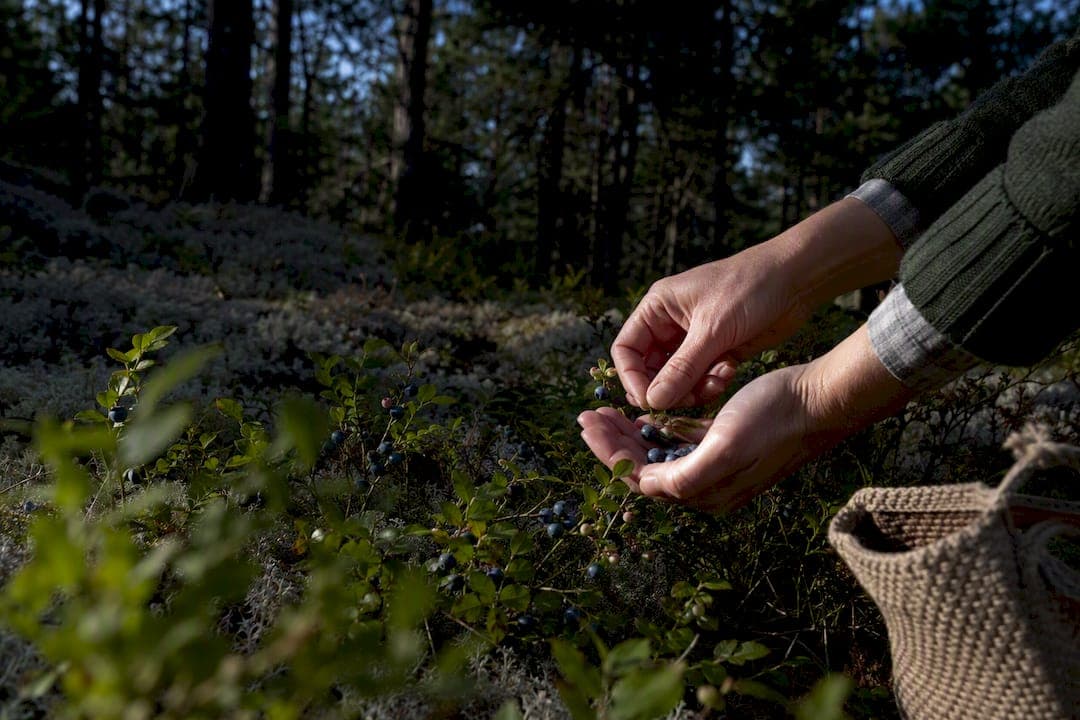
Yes, you can pick wild berries in most Swedish forests under allemansrätten, as long as you take only for personal use and cause no damage. Check for reserve signage before you set off, pack small buckets and insect repellent, and do a thorough tick check afterwards. Blueberries and lingon typically peak during summer and early autumn, with regional timing shifting depending on weather.
TL;DR:
- Use small lidded buckets and a berry rake to prevent crushing and for efficient harvesting, especially in dense blueberry patches.
- Pick a third of each patch to avoid damaging plants, and only collect berries that are fully ripe and easy to detach.
- Check local reserve signage and reserve your foraging within designated zones to comply with national and area-specific regulations.
- Avoid harvesting berries near private gardens or cultivated land, and do not trample ground vegetation to preserve future yields.
- Always identify berries confidently, avoid poisonous look-alikes, and teach children to only eat what they can positively recognize.
Table of Contents
- Quick checklist: what to take and safety basics for a berry trip
- Which berries grow where and when: blåbär, lingon, hjortron, hallon and others
- Allemansrätten and local restrictions: legal and ethical rules for berry picking
- How to pick: techniques, tools and storage for better results
- Finding berry-rich spots and trustworthy digital tools or maps
- Local practical tips from Villa Sakis and Christian
- Health and safety regarding wild berries
- Environmental impact and sustainable picking practices
- Tips for maximising berry yield
- A practical, ready-to-go verdict for Swedish berry pickers
- Sources
Quick checklist: what to take and safety basics for a berry trip
A good berry trip in the forest starts before you leave the house. The right kit turns an afternoon of scratched ankles and squashed fruit into something genuinely restful.
Essential kit:
- Small lidded buckets rather than one large tub (more on why below)
- A bärplockare (berry rake) if you are targeting dense blueberry patches
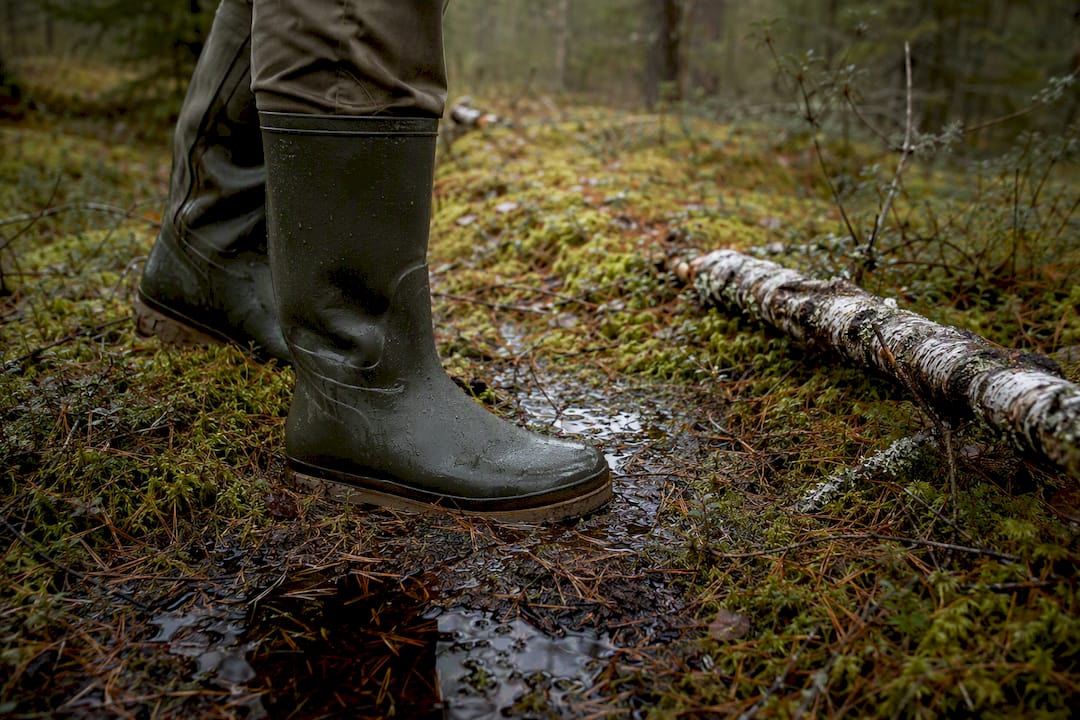
- Sturdy boots or gummistövlar rather than trainers
- A waterproof outer layer, even on a clear morning
- Water, a snack or proper fika, and a charged phone with your route saved
Safety basics:
- Insect repellent and a tick remover, checked and packed the night before
- Basic first-aid supplies for scratches and stings
- A rough plan of where you're headed, shared with someone back at the house
Smaller buckets matter more than they sound. Blueberries bruise under their own weight once a container gets deep, and a squashed layer at the bottom turns to juice long before you're home. Practical guidance on gear and layering points to durable footwear and dressing in layers as the two decisions that most affect comfort on longer forest walks.
Pro Tip: Swap trainers for gummistövlar the moment the ground looks damp. Swedish forest floor holds water long after the sky has cleared, and dry feet make the difference between an hour out and a full afternoon.
Which berries grow where and when: blåbär, lingon, hjortron, hallon and others
Sweden's forests offer a longer berry season than most newcomers expect, provided you know where each species prefers to grow.
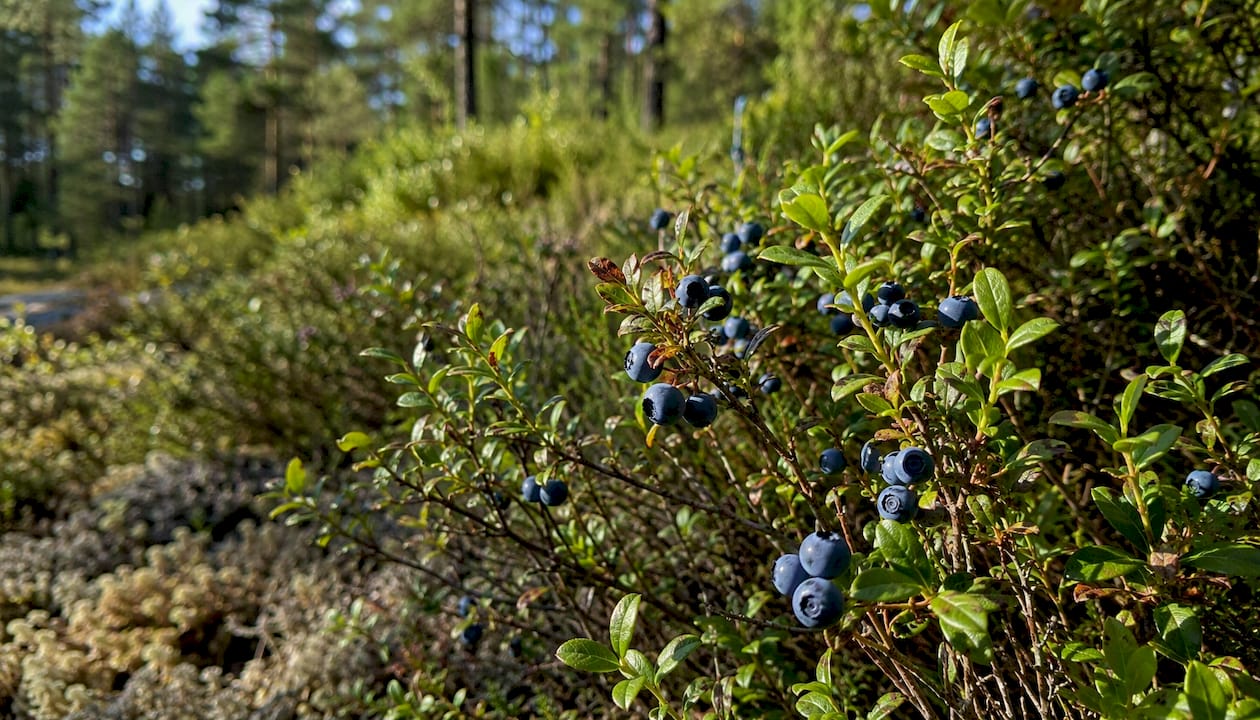
- Blåbär (blueberries): Widespread in coniferous forest, especially where moss carpets the ground beneath pine and spruce. Blueberries typically peak during summer and early autumn.
- Lingon (lingonberries): Grows alongside blueberries but tolerates drier, more open ground. Lingon ripens later in the summer and into autumn.
- Hjortron (cloudberries): Confined largely to mires and bogs in northern Sweden, ripening during summer. A short, prized season that rewards patience over volume.
- Hallon (raspberries): Found at forest edges, clearings and recently felled ground where more light reaches the soil, typically ripe in late July and August.
- Smultron (wild strawberries): Sunny glades and roadside verges, an early summer treat from June.
- Rönnbär (rowan berries) and havtorn (sea buckthorn): Rowan appears through mixed woodland and hedgerows from late summer; havtorn favours coastal dunes and thickets, ripening in autumn.
Habitat and seasonal detail from Naturkompaniet confirms that hjortron in particular stays tied to northern mires, while blueberries and lingon spread across almost the whole country. Timing shifts with latitude, elevation and the season's weather. An unusually warm spring can pull blueberry ripening forward, so it pays to check current maturity reports rather than relying on the calendar alone. Only pick what you can identify with confidence. Ripe blueberries detach easily with a gentle roll, lingon stay firm and glossy, and any berry that resists picking or looks unusually soft is worth leaving alone.
Allemansrätten and local restrictions: legal and ethical rules for berry picking
Allemansrätten gives everyone in Sweden the right to pick wild berries, mushrooms and flowers for personal use, wherever they roam. That freedom comes with limits, not loopholes.
Naturvårdsverket's guidance is clear on the boundaries: picking is for personal use, you must not damage trees or vegetation, and gardens or cultivated land are off limits entirely. In practice, this rules out:
- Breaking branches to reach fruit rather than bending them gently
- Trampling ground vegetation to cut a shortcut through dense undergrowth
- Picking anywhere near a private garden, allotment or crop field
Protected areas add another layer. Many nature reserves and national parks carry their own foraging rules, sometimes banning picking outright or restricting it to certain zones. Always check the reserve's own signage or its county board page before you start filling a bucket.
One rule of thumb worth remembering: allemansrätten covers what you and your household eat, not what you plan to sell. Once picking becomes a repeated commercial activity, income from berry sales falls under normal Swedish tax reporting rules, the same as any other small trade. Casual, occasional selling of a modest surplus sits in a grey area that most pickers never need to worry about, but anyone picking at scale for a business should treat it as taxable income from the outset.
How to pick: techniques, tools and storage for better results
Technique affects both how much you bring home and how good it tastes once you're back at the kitchen table.
- Start with a bärplockare on dense stands. Comb it gently through the bush in one direction rather than yanking it back and forth, which mashes fruit and pulls in leaves.
- Switch to handpicking on sparse patches. Combining both methods gives you speed where berries are plentiful and precision where they're scattered.
- Sort as you go. Tip out leaves and unripe berries into your palm before they settle at the bottom of the bucket.
- Use smaller, lidded containers. A smaller bucket per person prevents the crushing weight that ruins the bottom layer of a large tub.
- Rinse sparingly and freeze on a tray. Spread berries in a single layer on a tray before bagging them, which stops them clumping and keeps their texture for smoothies or baking later.
Leave berries that are still pale or hard. They won't ripen further once picked, and leaving them gives the plant a chance to set fruit again next season.
Pro Tip: Never strip a bush bare. Taking roughly a third of what's on a healthy patch keeps it productive for the next visitor, human or otherwise.
Finding berry-rich spots and trustworthy digital tools or maps
Berries cluster where light, moisture and soil line up in their favour, and reading that landscape saves hours of aimless wandering.
- Old coniferous forest with a mossy floor is prime blueberry ground.
- Open mires and bog edges in the north are where hjortron concentrates.
- Coastal dunes and thickets suit havtorn.
- Recently felled clearings and forest edges, where more sunlight reaches the ground, favour hallon.
Several Swedish outdoor apps and county board maps mark public land, trailheads and reserve boundaries, which makes route planning far easier than guessing from a paper map. Use them to find likely habitat rather than to broadcast a precise honey-hole; sharing exact GPS pins for a good patch tends to strip it bare within a season and can annoy landowners nearby. Park considerately, avoid blocking farm gates or private tracks, and let someone know your rough route before you head into denser forest, particularly if you're walking alone.
Local practical tips from Villa Sakis and Christian
Guests at Villa Sakis often ask Christian where to point a family for an easy first berry outing, and the honest answer is: somewhere close, somewhere shaded, and somewhere with a place to sit down afterwards.
- Choose short, well-trodden routes near the property rather than pushing deep into unfamiliar forest with young children.
- Give children their own small container. It slows the pace, but it also turns picking into play rather than a chore.
- Check for ticks the moment you're back, repellent applied before you leave, and gummistövlar over trainers whenever the ground looks damp.
- Freeze the day's haul on a tray before bagging, and try folding lingon or blueberries into a simple pancake batter or morning porridge.
Read more on managing ticks in Swedish forests and combining a countryside stay with the land around it for further ideas.
Health and safety regarding wild berries
Most berries you'll meet in Swedish forests are perfectly safe, but a handful of poisonous look-alikes deserve real caution, especially with children along.
Kråkbär (crowberry) is harmless and edible, though bland, and easily confused by beginners with less desirable fruit nearby. The genuine danger comes from berries such as tibast (daphne mezereum), whose bright red berries look tempting but are seriously toxic even in small quantities, and belladonna (deadly nightshade), whose dark, glossy berries can resemble blueberries to an untrained eye at a glance, despite growing on a completely different plant with broad leaves rather than low shrubby stems. Skogsklöver and liguster berries are similarly best avoided.
The safest working rule is simple: never eat anything you cannot identify with certainty, and teach children the same discipline before they're let loose with a bucket. Ripe blueberries grow in loose clusters on a low woody shrub with small oval leaves; anything growing on an unfamiliar plant, with waxy or unusually glossy skin, or with an odd smell when crushed, should be left alone. If in doubt, a photograph checked against a reliable Swedish foraging guide once you're home is worth more than a guess in the moment. Local pharmacies and the Swedish Poisons Information Centre (Giftinformationscentralen) can advise quickly if anyone eats something uncertain.
Environmental impact and sustainable picking practices
Berry plants are perennial, and how you treat them this year shapes what grows back next season. The plant itself, not just the fruit, needs looking after.
Picking a portion of a patch rather than stripping it bare lets the remaining berries mature and reseed naturally. Avoid trampling the low shrubs and moss that blueberries and lingon grow from. Both spread through underground rhizomes just beneath the surface, and heavy footfall over several seasons can visibly thin a once-productive patch. Sticking to existing paths where they exist, rather than cutting new routes through undergrowth, limits that damage considerably.
Leaving unripe berries also matters more than most pickers realise. They won't ripen once separated from the plant, and picking them early simply removes fruit that would have fed birds, foxes and other wildlife that depend on the same patches you're using. Rotating which area you pick from trip to trip, rather than returning to the same easy patch every weekend, gives each spot time to recover. Combined with allemansrätten's baseline rule of taking only what you personally need, this kind of light, rotating pressure is what keeps Sweden's forests as productive in ten years as they are today.
Tips for maximising berry yield
Getting a full bucket rather than a disappointing handful usually comes down to timing and reading the weather rather than luck.
Berries ripen from the sunniest side of a patch inward, so a south-facing slope or a clearing edge will often be ready before shaded ground nearby. A warm, wet spring followed by a sunny early summer tends to accelerate ripening across the board, sometimes by a couple of weeks compared with a cooler year. Checking recent local reports before a trip is worth more than working from last year's dates. Rain in the days before you pick plumps berries with moisture, while a dry spell can leave fruit smaller but noticeably more concentrated in flavour.
Time of day matters too. Berries picked in the cool of morning, before the sun has warmed the fruit through, tend to hold together better and last longer once home. Revisiting the same reliable patch every few days through peak season, rather than picking it once and moving on, usually yields more overall, since fruit ripens in waves rather than all at once. Patience with a slightly early patch pays off more often than pushing into ground that clearly isn't ready yet.
A practical, ready-to-go verdict for Swedish berry pickers
The official guidance on allemansrätten is sound, but it's also written for the general case, not for the family standing at a forest edge on a Saturday morning wondering which path to take. That gap between the rule and the reality is where most of the useful advice actually lives.
Conventional guides tend to over-index on the legal boilerplate and under-index on the boring practical details that decide whether a trip is enjoyable: bucket size, footwear, what time of day to go. Get those right and the legal framework barely needs thinking about, because responsible picking under allemansrätten is mostly just common sense applied consistently.
If there's one priority worth putting above the rest, it's restraint. Take a third of a patch, not all of it, leave the unripe fruit, and stick to ground that's already been walked. Everything else, the right boots, the right container, the right week to go, matters less than that single habit repeated by everyone who picks.
— Christian
Sources
- Allemansrätten – Bärplockning (Naturvårdsverket)
- Plocka bär — bästa tipsen för bärplockning (Naturkompaniet)
- How to pick blueberries like a pro (Expressen)
- Plocka bär & svamp – When, where and how to get started (Motonet)