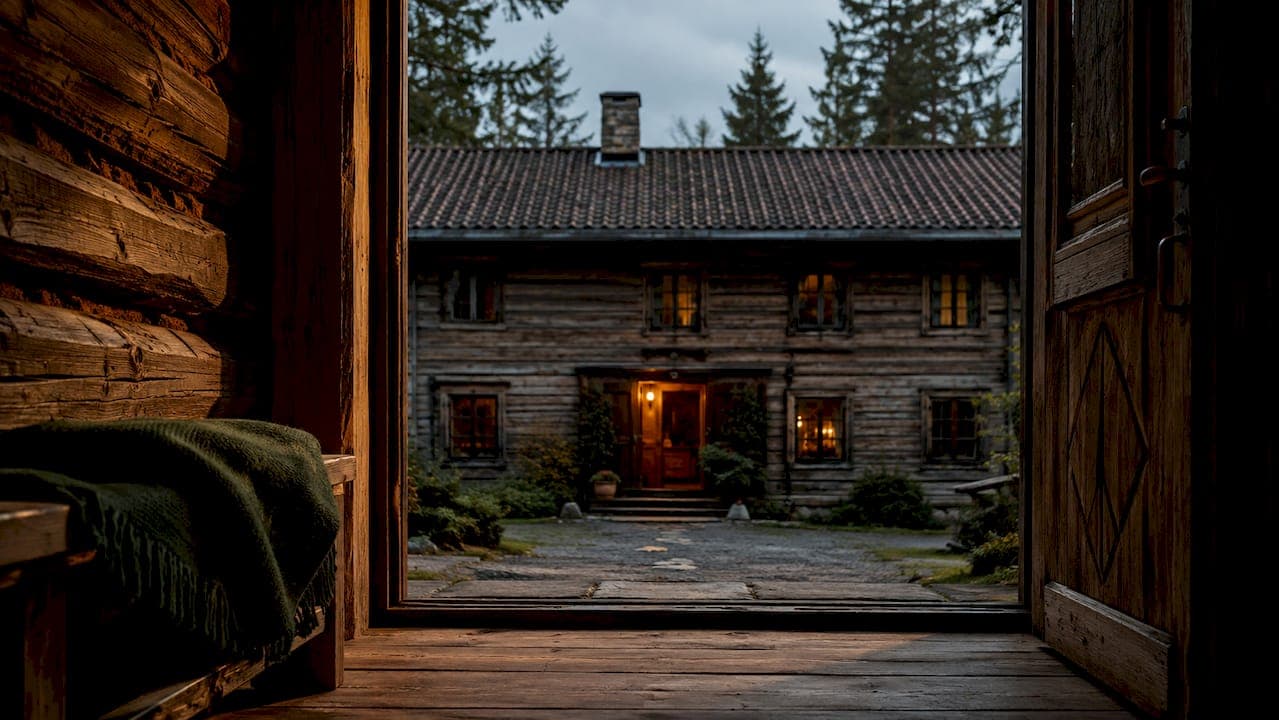
For families, groups and wellness travellers, a privately rented 1700s timmerhus offers whole-house privacy, honest timber interiors, and direct nature access. Villa Sakis is one such log farmhouse, restored with care and bookable directly, and it suits parties who want a sauna, a lake, and no shared walls. If that sounds right, the next step is simple: check dates on the main Villa Sakis site or its Airbnb listing.
TL;DR:
- Private sauna is usually wood-fired and considered essential for wellness retreats, with lake access being a popular non-negotiable feature.
- Most timberhouses sleep six to twelve guests, with bedrooms shaped by historic room-by-room construction, and often feature creaky floors and low doorframes.
- Booking involves comparing direct site options and marketplaces, with off-season rates available, and planning for rural road access and self-catering logistics.
- Proper safety measures include confirming heating, stove, and sauna operations, and understanding local right-to-roam rules around property land.
- Hosts who openly detail maintenance and building care tend to provide better experiences, emphasizing the importance of honest descriptions and consistent upkeep.
Table of Contents
- What does a 1700s timmerhus rental actually include?
- Is a timmerhus right for your family, group or retreat?
- How much does it cost and how do you book one?
- How do you stay safe and respectful in an old timber house?
- How do you make the most of a timmerhus stay?
- What does an owner of a 1700s farmhouse actually watch for?
- Ready to check dates for a stay at Villa Sakis?
- Sources
What does a 1700s timmerhus rental actually include?
A genuine 1700-tals timmerhus is a whole building, not a single suite. Most properties in this category sleep between six and twelve guests across several timber bedrooms, with the original log walls left exposed rather than plastered over. That distinction matters more than it sounds. Farmhouses of this age were built room by room over generations, so bedrooms tend to be individually shaped rather than identical, and corridors often run at odd angles that modern architects would never draw on purpose.
Listings for this kind of property, from Värmland farms to smaller log cabins in Torestorp, tend to share a similar amenity spine. Before booking, check for:
- A private sauna, often wood-fired rather than electric
- A self-catering kitchen with a full-size oven and hob
- Direct lake or forest access on the property itself
- Off-street parking for at least one or two cars
- Heating that copes with cool evenings even in summer
Modern comforts sit alongside rustic constraints, and that trade-off is the point rather than a flaw. Expect updated bathrooms and reliable heating, as is now standard on well-kept historic farms, but also expect narrow staircases, low doorframes in older wings, and floors that creak with character. Pets, minimum-night stays, and seasonal opening windows all vary by property, so confirm each one directly with the host before you commit dates.
Is a timmerhus right for your family, group or retreat?
A whole-house 1700s timmerhus suits three kinds of traveller particularly well, and for different reasons.
- Families gain space to spread out. Children can be loud in one wing while adults have quiet in another, which a hotel floor rarely allows.
- Groups of friends benefit from a shared kitchen and living space large enough for everyone to cook, eat, and unwind together rather than splitting across rooms.
- Wellness and yoga retreats find that the wide, uncluttered timber rooms in properties like Villa Sakis work well for practising yoga in a timmerhus, where natural light and simple flooring matter more than square footage.
Before booking, separate the must-haves from the nice-to-haves. A private sauna and direct lake access tend to be non-negotiable for wellness groups; a large parking area or level access matters more for families travelling with older relatives. Ask hosts directly about sleeping arrangements per room, how the house is heated overnight, standard check-in times, and their pet and cancellation policies. Precise answers to these four questions usually reveal how well a listing is actually run.
How much does it cost and how do you book one?
Booking a historic timmerhus generally means choosing between the host's own site and a larger marketplace. Direct booking, as with Villa Sakis, typically gives clearer answers about the house itself and often a more direct line to the host for specific questions. Marketplaces such as Airbnb or Vrbo add buyer protection and familiar cancellation terms, which suits first-time bookers who want that safety net.
Some historic farmhouse listings enforce a longer minimum stay in peak summer months, based on patterns visible across 17th century farm listings in Värmland and similar properties, so a minimum stay of several nights in July is common rather than exceptional. Off-season rates and shorter minimum stays are usually available from autumn through spring.
Before you commit, compare:
- Total price including any cleaning fee or security deposit, not just the nightly rate
- Minimum-stay length across your target dates
- Cancellation terms, especially for marketplace bookings made months ahead
Once dates are confirmed, plan the practical side of arrival. Rural roads leading to older farmhouses can be single-track and unlit, so allow extra time for the final approach, particularly after dark. Mobile signal often weakens near forest and lakeside plots, so download offline maps in advance. Pack for self-catering: groceries are usually easiest to buy in the nearest town before you arrive, since many of these properties sit well outside village centres. A countryside vacation planning guide is worth reading the week before you travel.
How do you stay safe and respectful in an old timber house?
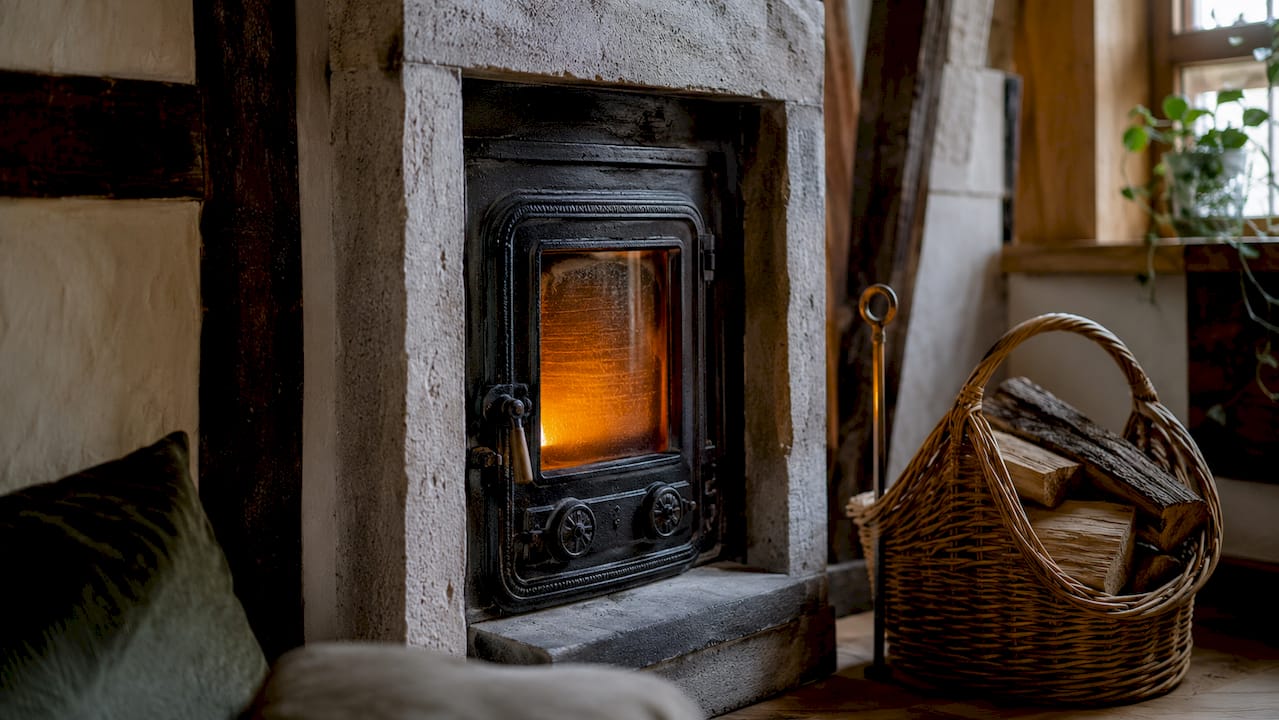
Wood-stove and sauna safety matters more here than in a modern rental, simply because the materials are older and the heat sources are often open flame rather than sealed electric units. Confirm with your host exactly how the stove and sauna work before your first evening, and agree on an emergency plan for anyone in the group with mobility needs, since phone signal near forest plots can be unreliable when it matters most.
Pro Tip: Save your host's phone number as a physical note, not just a contact on your phone. If your battery dies or signal drops entirely, a note pinned by the door is the one backup that never fails.
Sweden's allemansrätten, the right to roam, lets you walk and forage freely on most uncultivated land nearby, but it comes with real limits around private gardens and cultivated fields. A guide to right to roam for farmhouse guests covers the boundaries clearly. If anyone in your group has reduced mobility, ask the host directly about step-free access and floor surfaces rather than assuming a historic building can accommodate everything.
How do you make the most of a timmerhus stay?
The appeal of a log-house retreat is largely in doing less, deliberately. Timber rooms with open floor space and soft natural light work well for morning yoga; bring your own mat and soft-soled shoes, since original wooden floors deserve a lighter touch than trainers give them. Villa Sakis has written specifically about what a timmerhus needs for yoga practice, and the same principles apply to any similar property.
Beyond wellness, the surrounding land does most of the work — a wonderful way to enhance your experience is to combine lodging and local food, as detailed in this guide for countryside stays:
- Short forest walks before breakfast, when wildlife is most active
- A swim or paddle if the property has lake access, with canoe rental, sometimes available on similar countryside properties
- Simple foraging for berries or mushrooms in season, kept well within right-to-roam limits
- Evening campfire games or a cook-along meal using whatever the group has bought that day
None of this needs planning months ahead. It needs a group willing to slow down once they arrive.
What does an owner of a 1700s farmhouse actually watch for?
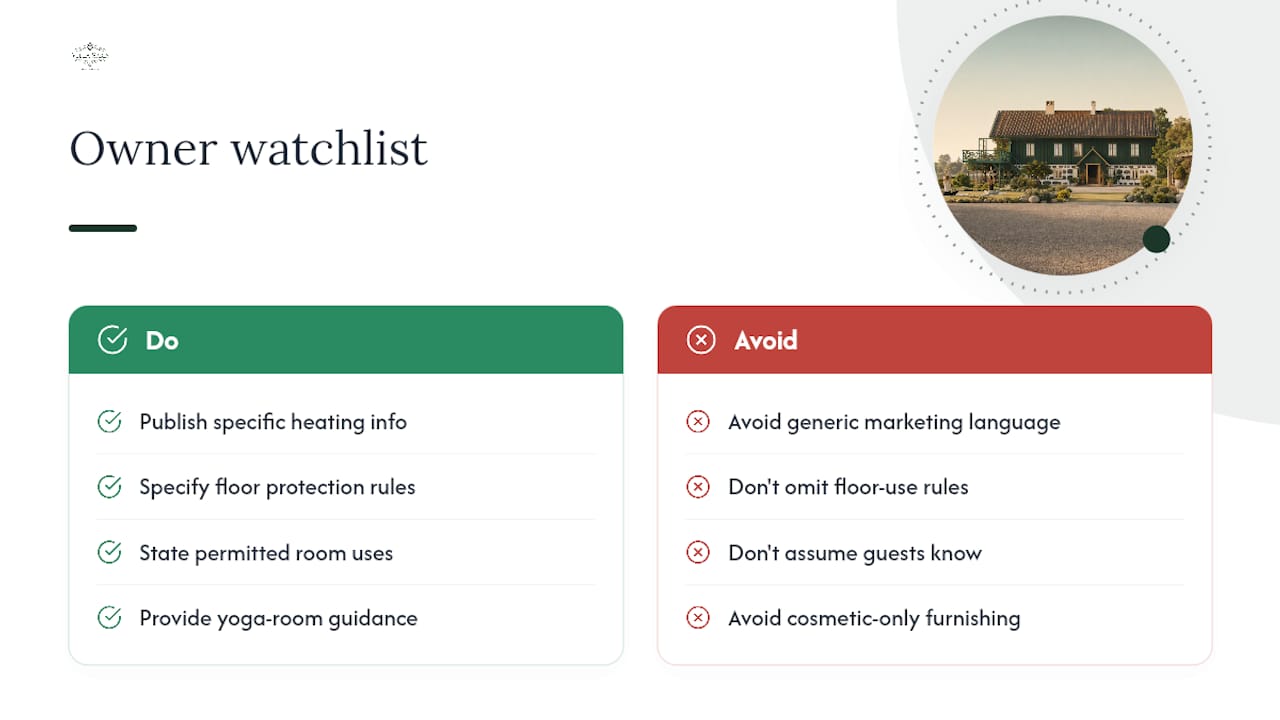
Caring for a building this age is a quiet, ongoing negotiation between preservation and comfort. Hosts who publish real detail about heating, floor protection and room use, rather than generic marketing language, tend to field far fewer confused messages once guests arrive. Villa Sakis's own guidance on using timber rooms for yoga came directly out of repeated guest questions about mats, flooring and light.
Reviews and testimonials for properties like this consistently return to the same theme: tranquillity, and the sense of a house that has been properly cared for across generations rather than simply furnished for tourists. That reputation is earned slowly, through consistent maintenance and honest description, not through marketing.
— Christian
Ready to check dates for a stay at Villa Sakis?
Villa Sakis offers exactly the whole-house setup this guide describes: private sauna, direct lake and forest access, several timber bedrooms, and a self-catering kitchen suited to families, groups and wellness retreats alike. It is one of the more straightforward historic timmerhus options to actually book, whether through the main Villa Sakis site for direct reservations or through its Airbnb listing if you prefer marketplace protection.
Full room details, including bedroom layouts and sauna specifics, sit on The House, and seasonal notes and guest advice are collected in the Villa Sakis journal.
| Fits well | Typical capacity | Where to book |
|---|---|---|
| Families, friend groups, yoga/wellness retreats | Between six and twelve guests | Villasakis or Airbnb |
Check your dates now on the Villa Sakis booking page, and if timing is flexible, autumn and spring stays tend to open up better rates and shorter minimum stays than peak summer.