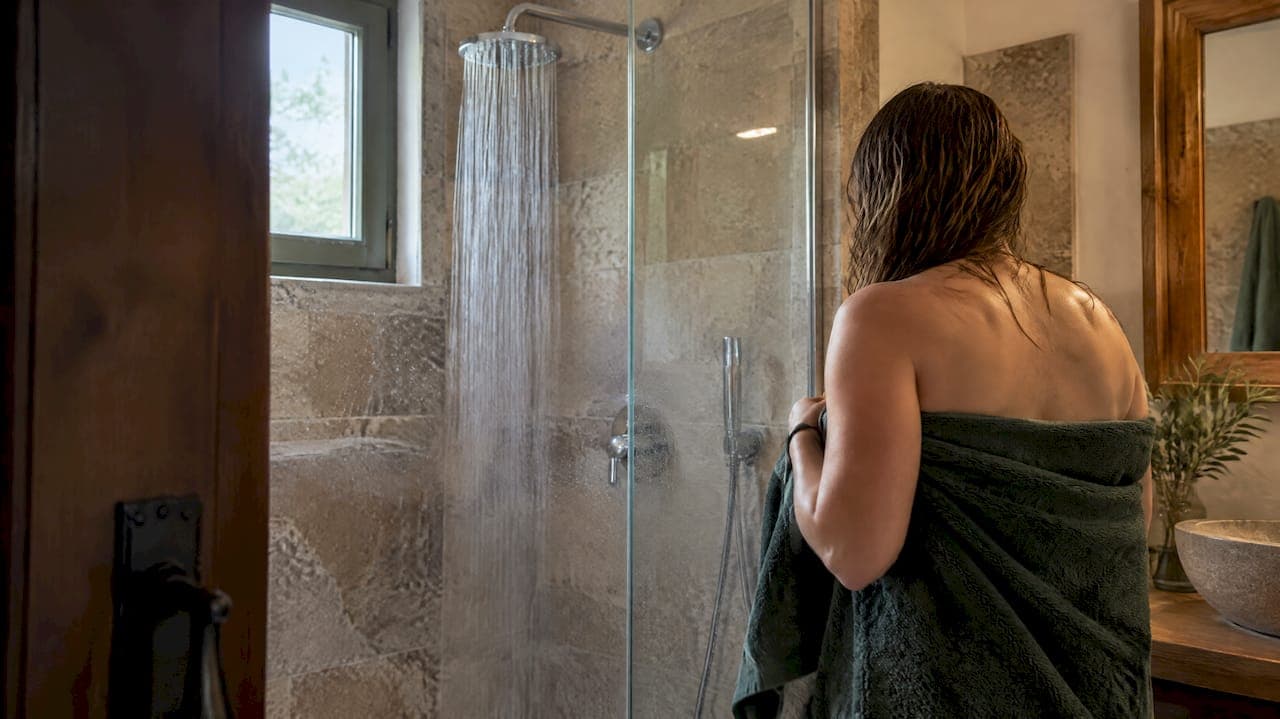
You can sleep better during a heatwave by cooling the body before bed and keeping the bedroom from trapping heat. Tonight, try a lukewarm shower 60 to 90 minutes before you lie down, ventilate once the outside air turns cooler than indoors, and swap heavy bedding for something thin and natural. Older adults, infants and anyone managing a chronic illness should take extra care and watch for warning signs.
TL;DR:
- Taking a lukewarm shower 60 to 90 minutes before bed can help lower core body temperature and improve sleep onset during heatwaves.
- Keeping windows open only when outside air is cooler than indoor air, and closing them during peak heat, prevents unnecessary heat buildup.
- Sleeping on the lower floor or near cooler outdoor spaces can reduce bedroom temperatures and enhance comfort during hot nights.
- Extra care is essential for vulnerable groups like older adults, infants, and those with chronic illnesses, requiring close monitoring and easier access to water.
- Maintaining a consistent evening routine without heavy meals, alcohol, or late caffeine supports better sleep quality in hot weather.
Table of Contents
- Tonight's checklist: what actually helps when it's hot
- Why a warm shower before bed makes sense
- Keeping the bedroom from holding on to heat
- Who needs to take extra care, and when to seek help
- What the evidence actually says
- A host's note on practical hospitality and Nordic recovery routines
- A quieter place to wait out the heat
- FAQ
- Sources
Tonight's checklist: what actually helps when it's hot
Some of what people do in hot weather makes sleep worse, not better. A short, ordered routine tends to work better than scattered efforts throughout the evening.
- Take a lukewarm, not cold, shower an hour or so before bed, letting your skin air-dry rather than reaching for a fan immediately after.
- Cool your feet with a brief footbath or a pair of chilled, damp socks; the skin on your feet and hands releases heat quickly and helps the whole body settle.
- Drink water steadily through the day rather than a large glass right before sleep, which only sends you to the bathroom at 3am.
- Switch off laptops, set-top boxes and anything else that quietly warms the room, and dim or unplug devices you don't need overnight.
- If your home has more than one floor, consider sleeping on the lowest level, where the air is usually several degrees cooler.
- Choose linen or cotton sheets over synthetic blends, and keep a single light sheet within reach rather than stripping the bed bare.
- Keep your evening routine ordinary: a heavy meal, alcohol or late caffeine will all raise your core temperature or disturb sleep quality at a time when you need the opposite.
- If you nap, keep it short and early in the afternoon, since a long or late nap makes falling asleep at night harder.
None of these steps undoes a genuinely hot night on their own, but together they shift the odds. The body sleeps best when it can shed heat easily, and tight synthetic pyjamas, heavy duvets and a room full of warm electronics all work against that.
Why a warm shower before bed makes sense
It sounds backwards: warming yourself up before sleeping in the heat. The logic is in what happens next. A warm shower dilates the blood vessels near your skin, and as that blood moves to the surface and loses heat to the air, your core temperature begins to drop, which is the same internal signal that naturally triggers sleepiness. A systematic review and meta-analysis of this effect found that as little as 10 minutes of warm water exposure, taken 1 to 2 hours before bed, shortened the time it took people to fall asleep.
- Time it for 60 to 90 minutes before you plan to sleep, not immediately beforehand.
- A footbath or lukewarm shower both work; neither needs to be long.
- If you use a sauna, finish 60 to 90 minutes before bed rather than right before it, giving your body time to cool gradually as recommended in the sauna temperature range guidelines. Villa Sakis guests follow a similar sauna and shower timing routine before settling in for the night.
- Skip the cold plunge immediately after; it can raise alertness and interferes with the gradual cooling you're trying to achieve.
Pro Tip: If you don't have time for a full shower, a five-minute footbath in warm water does much of the same work.
Keeping the bedroom from holding on to heat
Most of the heat in a bedroom by 10pm was let in hours earlier. Preventing heat buildup during the day matters more than trying to chase it out afterwards.
- Close curtains, blinds or shutters on any sunlit facade before the heat of the day arrives, and keep them closed until the sun has moved off that side of the building.
- Hold off on the oven, dishwasher and tumble dryer until the evening has properly cooled, since each one adds heat and moisture to the air you'll be sleeping in.
- Open windows only once the outside air is cooler than the air indoors, typically after dusk, and close them again once the sun is back up.
- Point a small fan at bare skin rather than trying to cool the whole room, and check that your bedroom door is cracked to let air move through the flat.
- If your home has a naturally cooler room, perhaps near water or on a lower floor, that's the one worth sleeping in during a run of hot nights.
Guidance from WHO on staying cool during heatwaves echoes this sequence: protect the home from daytime heat, then use the cooler night air to bring the temperature back down. Fans help most at moderate temperatures, since in very humid conditions they move warm, damp air around without doing much actual cooling.
Who needs to take extra care, and when to seek help
Heat affects some people far more seriously than others. Older adults, infants, pregnant people and anyone with a chronic illness or on medication that affects temperature regulation or sweating are all at higher risk during a heatwave, and deserve a bit more attention at night.
Check on them before bed, move them to the coolest room in the house if one is available, and keep water within reach. Swedish public health guidance also recommends using cooler public spaces during the hottest hours when home cooling isn't enough. Dizziness, fainting, confusion or skin that has stopped sweating despite the heat are warning signs that call for medical advice without delay, whether through 1177 or emergency services.

What the evidence actually says
Public health bodies and sleep researchers broadly agree on the same handful of measures, which is reassuring when the advice online can feel contradictory. WHO's heatwave guidance recommends keeping homes cool through the day, using night air for ventilation once it turns cooler, and paying particular attention to infants and older people.
A sleep-journal study found that heatwaves modestly reduce total sleep time and raise the likelihood of a short night, with the effect growing across consecutive hot nights. Heat doesn't just delay sleep onset: it fragments slow-wave and REM sleep once you're under, which is part of why a run of hot nights leaves people more drained than a single warm evening would.

A host's note on practical hospitality and Nordic recovery routines
Small adjustments such as timing the sauna before bed, offering choices of cooler linen, and using the lowest, quietest room when nights turn warm can improve comfort. These habits can be developed from experience and tested in historic timber houses.
— Christian
A quieter place to wait out the heat
Some summers call for more than a good bedtime routine, and a stay in a house situated among pine forest and open meadow, with access to a sauna, timber rooms that retain coolness, and lake access close enough for a dawn swim before the day warms up, can be beneficial.

Guests looking for a properly restorative break, rather than just a cooler bedroom, can find details and book a stay through The House.
FAQ
Är det bra att ha 24 grader i sovrummet?
Temperatures substantially above 25°C impair slow-wave and REM sleep, while most sleep researchers point to a range closer to 19 to 20°C as more comfortable for most adults. If your bedroom regularly sits at a warm temperature during a heatwave, ventilating at night and cooling the body beforehand becomes more important.
Är det bra att duscha innan läggdags?
Yes, a lukewarm shower before bed is genuinely useful, provided the timing is right. A systematic review found that even 10 minutes of warm water exposure, taken 60 to 90 minutes before sleep, helped people fall asleep faster.
Hur håller jag sovrummet svalt när det är varmt?
Block the sun out during the day by closing curtains or blinds on sunlit windows, and avoid using heat-generating appliances in the evening. Once outside air is cooler than the air indoors, usually after dusk, open the windows to let the room reset overnight, following the same sequence recommended by Folkhälsomyndigheten.
Vilken temperature är bäst att sova i?
Most guidance points to a bedroom temperature near 19 to 20°C as ideal for sleep, with slow-wave and REM sleep both suffering well above that range. Reaching that figure during a heatwave usually means combining daytime shading with night-time ventilation rather than relying on either alone.
Sources
- Before‑bedtime passive body heating by warm shower or bath to improve sleep: A systematic review and meta‑analysis
- Heatwaves: How to stay cool — WHO
- Heatwaves and sleep: empirical study (sleep journal)
- Ta hand om dig själv och andra vid värmebölja — Folkhälsomyndigheten