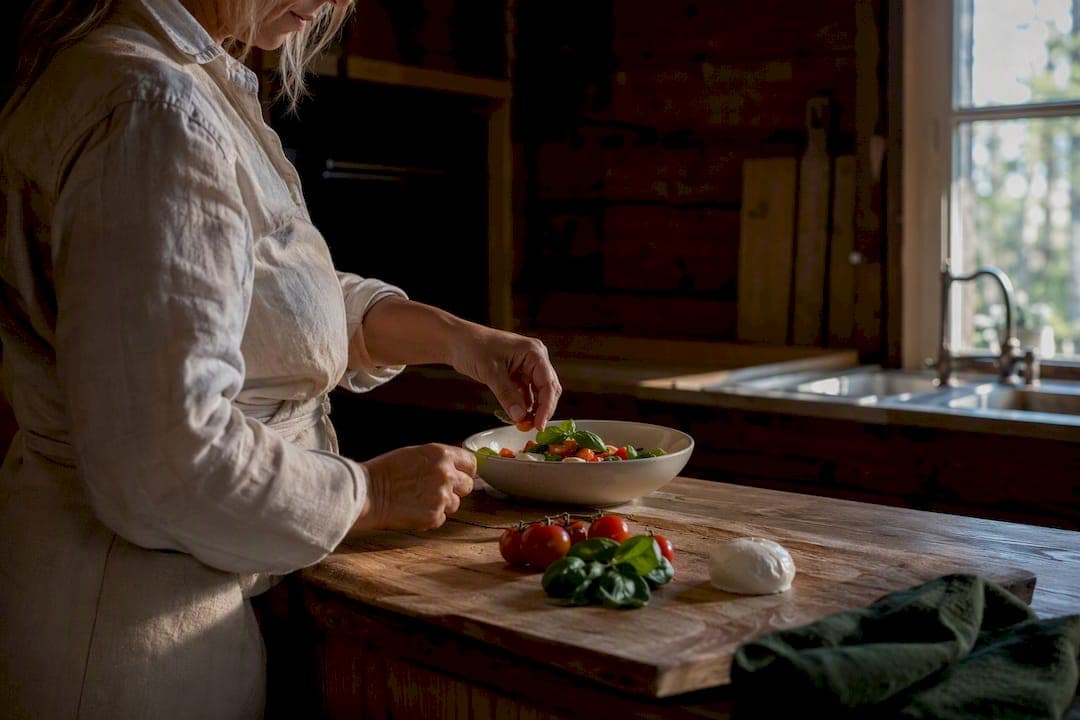
Self-catering means booking accommodation with proper cooking facilities so you shop and cook for yourself instead of relying on restaurants. The single best move is to pack a compact kitchen kit, choose modular, forgiving meals, buy seasonal produce locally, and prepare for modest power limits. At Villa Sakis, Christian has spent years refining exactly this approach for guests arriving at a farmhouse kitchen with quiet expectations and a full fridge to plan around.
TL;DR:
- Self-catering relies on a mindset shift toward simple, ingredient-focused meals made with minimal equipment, rather than expecting gourmet dining facilities.
- Packing essential tools like a sharp knife, tin opener, and reusable containers, along with confirming kitchen details with the host beforehand, prevents frustration.
- Meal plans centered on one-pot dishes and shopping at local markets for seasonal produce keep self-catering affordable and less stressful.
- Off-grid power can be managed with small power banks and careful device charging, avoiding reliance on larger, costly solar setups.
- Booking directly with hosts and preparing early for waste, water, and safety minimizes logistics issues and creates a more relaxing holiday experience.
Table of Contents
- What does självhushåll på semestern actually involve?
- Kitchen essentials and a compact travel kit worth packing
- Meal planning that works with almost no equipment
- How do you shop local and save money while self-catering?
- Basic off-grid power without overplanning
- Booking and arrival choices that save money and stress
- Packing checklist for non-food supplies
- Waste management and eco-friendly practices
- Managing water supply and purification off-grid
- Safety and basic first aid for remote, self-catered trips
- Planning for emergencies and staying reachable
- Christian's perspective: what actually makes self-catering calm
- Villa Sakis: a self-catered farmhouse stay in the Swedish countryside
- Sources
- FAQ
What does självhushåll på semestern actually involve?
Self-sufficient travel, or självhushåll på semestern, is really just self-catering with a slower rhythm attached. It asks less of you technically than it sounds. Most self-catering properties come with a private kitchen or kitchenette, a fridge, and basic crockery, arranged to feel like a home rather than a hotel room.
The practical shift is in mindset, not equipment. You stop expecting a five-course dinner to appear and start thinking in terms of what three or four ingredients can become. That reframing, more than any gadget, is what makes DIY vacation meals feel restful instead of like a chore transplanted from home.
Kitchen essentials and a compact travel kit worth packing
Rental kitchen photos rarely match reality. Expect one blunt knife, two mismatched pots, and a corkscrew that has seen better decades. Ovens vary wildly in size and reliability, and induction hobs sometimes confuse guests who have never used one.
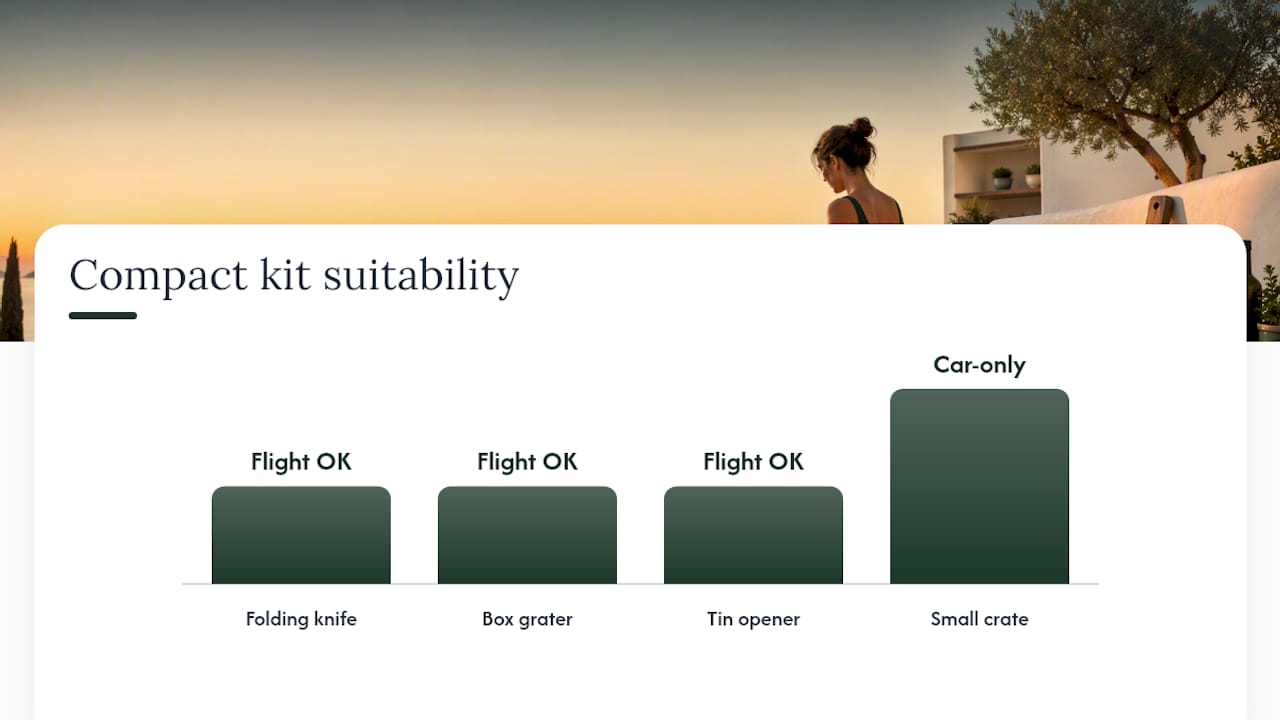
A small kit closes most of that gap without adding weight to your luggage. Pack these and you will out-cook most self-catering kitchens on offer:
- A folding or sheathed sharp knife (rental knives are almost always dull)
- A compact box grater and a tin opener
- A silicone spatula and a wooden spoon
- Reusable containers for leftovers and packed lunches
- A few sachets of good olive oil, salt, and dried herbs
Pro Tip: Message your host before arrival and ask three things: oven size, fridge capacity, and whether basic utensils are provided. It takes two minutes and avoids a frustrating first evening.
If you are travelling by car, a small crate keeps everything together and doubles as extra pantry space once you arrive. Flying travellers should stick to the knife, grater, and tin opener, since pots and pans rarely earn their luggage weight. A packing checklist built for cabin holidays is worth reviewing before you pack, since it covers the wider non-kitchen list too.
Meal planning that works with almost no equipment
The rule that saves every self-catering holiday is simple: plan meals you can make with one knife, two pots, and a stove. Complicated recipes fail in unfamiliar kitchens. Forgiving ones succeed regardless of what you find in the cupboards.
Seven dinners cover most weeks without repetition fatigue:
- Pasta with whatever vegetables looked good at the market, tossed in oil and garlic
- One-pot coconut curry using canned chickpeas and a curry paste
- Spanish-style potato tortilla, needing only eggs, potatoes, and a pan
- Rice skillet with beans, tinned tomatoes, and seasonal vegetables
- Halloumi sandwiches with whatever bread and pickles are local
- Oven tray-bakes, when an oven is available, combining root vegetables and sausage
- A leftover bake that absorbs whatever is left in the fridge by the end of the week
This mirrors the approach in Petitchef's guide to simple holiday dinners, which makes the same case for equipment-light, ingredient-forward cooking. The trick is buying in bulk once rather than shopping daily. A single trip covering pasta, rice, eggs, tinned goods, halloumi, and seasonal vegetables gives you the raw material for most of the list above, with:
- Fresh vegetables bought twice, mid-week, to stay crisp
- Bread and eggs restocked as needed rather than all at once
- Leftovers folded into the next night's dish instead of binned
Villa Sakis publishes a full weekly meal plan for a cabin holiday that turns this structure into a day-by-day guide, useful if you would rather follow a plan than build your own.
How do you shop local and save money while self-catering?
Markets beat supermarkets for self-catering travellers on both cost and quality, particularly for produce that is in season locally. Ripe tomatoes, new potatoes, and whatever fruit is peaking that month tend to be cheaper and better at a farmers' market than at a chain store, and buying from local producers is often cited as one of the genuine pleasures of a self-catered stay, not just a cost-saving tactic.
At the market, prioritise perishables and anything sold by weight rather than pre-packaged. Buy staples like rice, pasta, oil, and tinned goods once at a supermarket, then top up little and often. A few habits stop food ending up in the bin:
- Store root vegetables somewhere cool and dark, not in the fridge
- Keep herbs in a glass of water rather than a plastic bag
- Cook the most perishable item first, regardless of your original plan
Timing your trip for the shoulder months, roughly May, June, or September, often means lower prices for both travel and accommodation, and produce at that time is frequently at its best rather than forced early or held late.
Basic off-grid power without overplanning
A 230V mains supply and a 12V vehicle or leisure battery system behave very differently, and confusing the two causes most self-catering power frustrations. Mains sockets run a kettle or oven without a second thought. A 12V system, by contrast, struggles with anything that draws serious current, so save it for phone charging, lighting, and small devices.
For remote or partially off-grid stays, a few habits go further than expensive gear:
- Charge devices overnight rather than mid-afternoon, when demand and heat are both higher
- Carry one or two power banks as a buffer against a slow charging day
- A modest portable power station covers lighting and phones without needing rooftop solar
- Avoid running a kettle and a hairdryer from the same limited supply at once
Pro Tip: Plan for two to three days of self-sufficient autonomy in poor weather, not just best-case sunshine. Real-world solar output regularly falls short of the numbers printed on the box, so building in that margin is standard advice for off-grid setups rather than excessive caution.
Booking and arrival choices that save money and stress
Direct booking with a host, rather than through a third-party platform, tends to save money and opens the door to specific requests, such as confirming what utensils are already stocked or asking for a particular arrival time. Hosts who deal with self-catering guests regularly are often glad to prepare in advance if you simply ask.
A short checklist smooths the first hour at any self-catering property:
- Confirm the fridge is on and cold before you arrive with a car full of groceries
- Check sauna, heating, or wood-burning stove access if the property has one
- Ask about waste disposal points and recycling rules before your first meal
- Split larger properties among several families or groups to bring per-person costs down meaningfully
Booking in the shoulder season, as with shopping, tends to combine lower prices with a calmer, less crowded stay.
Packing checklist for non-food supplies
Food gets most of the planning attention, but the non-food list is what actually prevents a frustrating first day. Water storage matters even where taps run reliably, since a filled kettle or jug means you are not caught out during an evening power dip.
A short, sensible packing list covers most gaps:
- A collapsible water container, useful even at fully plumbed properties
- Biodegradable washing-up liquid and a scourer, since remote properties rarely stock much
- A few bin bags heavier than the ones typically left in a rental kitchen
- Basic cleaning cloths, since one dishcloth left by a previous guest rarely suffices
- A torch or headtorch, kept by the door rather than buried in a bag
None of this needs to weigh much. The value is in not discovering a gap at nine in the evening when the nearest shop has closed. Villa Sakis's cabin packing checklist covers the wider list in more depth, including clothing and outdoor gear alongside these kitchen and cleaning basics.
Waste management and eco-friendly practices
Self-catering holidays generate less packaging waste than restaurant meals, but only if you plan disposal before the bin fills up rather than after. Rural properties frequently run on a different waste system than home, with separate points for glass, compost, and general rubbish rather than a single kerbside collection.
Ask your host on arrival, or ideally before it, where the nearest recycling point sits and whether compost is collected on-site or needs a separate trip. Composting kitchen scraps, where a garden or compost bin exists, cuts general waste noticeably and suits vegetable-heavy meal plans well. Buying loose produce at markets rather than pre-packaged supermarket alternatives reduces the plastic problem before it starts.
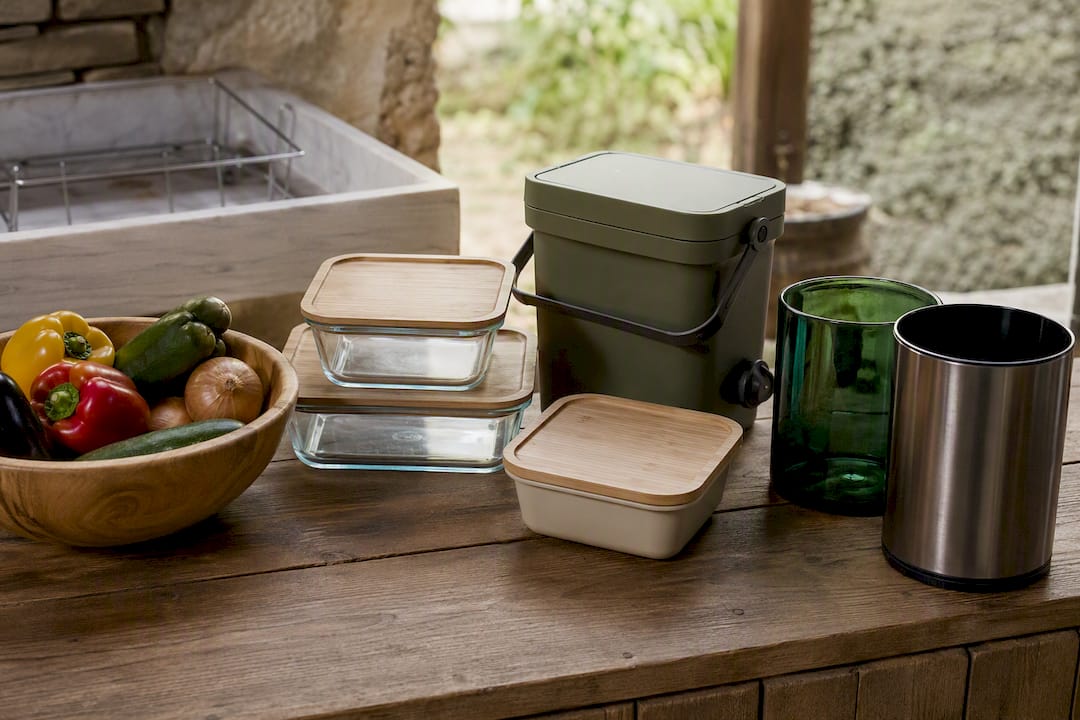
Reusable containers pull double duty here: they store leftovers during the week and reduce what you throw away at the end. A little discipline about portion sizes, buying only what a realistic week will use, does more for waste reduction than any single eco-product you might pack.
Managing water supply and purification off-grid
Most self-catering properties, including farmhouses with older plumbing, run on perfectly good mains or borehole water, but it is worth asking directly rather than assuming. If a property mentions well water or an off-grid supply, treat that as a prompt to ask your host whether it is tested and drinkable, not a reason to panic.
For genuinely remote stays, or side trips away from the property itself, a few habits keep things simple:
- Fill a collapsible container each morning as a buffer against any supply interruption
- Carry a small filter or purification tablets for hiking days away from the property
- Boil water if a host flags any doubt about the source, rather than relying on taste alone
- Keep drinking water separate from water used for washing up, particularly on properties with a shared outdoor tap
None of this needs to feel clinical. It is closer to the same habit as checking the oven works before you unpack: a five-minute conversation that removes a whole category of worry about the rest of the week.
Safety and basic first aid for remote, self-catered trips
Remote self-catering properties are usually further from a pharmacy or hospital than a city hotel, so the first aid kit earns its place in the car boot even on a short trip. A basic kit covering plasters, antiseptic, painkillers, and any personal medication covers most minor mishaps, from a kitchen knife slip to a twisted ankle on an evening walk.
Fire safety deserves specific attention in older timber properties or anywhere with a wood-burning stove or sauna. Confirm where the extinguisher or fire blanket is kept on arrival, and check that a smoke alarm is present and working rather than assuming it is.
Basic outdoor sense matters just as much as kitchen safety. Tell someone your rough route and expected return time before a longer walk, particularly in forested or lakeside areas where phone signal can drop without warning. A charged torch, sturdy footwear, and a basic awareness of the nearest neighbour or village cover most of what a calm, well-planned self-catered trip actually needs.
Planning for emergencies and staying reachable
Mobile signal in rural and forested areas is not guaranteed, and a self-catering holiday built around disconnecting from work email should not mean disconnecting from emergency contact entirely. Before you arrive, ask your host what the local signal is actually like, since coverage maps often overstate rural reception.
A short plan removes most of the anxiety without undermining the peace you came for:
- Save the property's address and the host's phone number offline, not just in an app that needs signal
- Note the nearest village, pharmacy, or medical centre before you settle in
- Keep a car charger or spare power bank specifically for emergency calls, separate from everyday phone charging
- Agree a simple check-in point with someone outside the trip if you are heading somewhere with patchy signal
This is less about worst-case planning and more about being able to relax properly once you know the basics are covered. A five-minute conversation with your host on arrival tends to answer most of it.
Christian's perspective: what actually makes self-catering calm
Guests arrive expecting self-catering to mean compromise, and most are surprised by how quickly that assumption falls away. What actually determines whether a week feels restful or effortful is preparation done before arrival, not equipment bought afterwards.
Villa Sakis guests receive a weekly meal plan and a packing list ahead of their stay precisely because that removes the guesswork on day one. For groups cooking together, assign one person to plan the shop and let everyone else rotate cooking duty through the week. It keeps the kitchen from becoming another source of holiday admin.
— Christian
Villa Sakis: a self-catered farmhouse stay in the Swedish countryside
A typical self-catering setup includes a private kitchen, sauna access, direct access to lake and forest, and exclusive use of the accommodation without sharing with other guests.
Guests benefit from packing checklists and weekly meal-plan guidance based on experience, which help point toward nearby local markets and provide a practical sense of kitchen capabilities before arrival. This approach helps guests prepare effectively for cooking in a rental kitchen.
The house itself is worth a look before booking, since the room layout and kitchen setup shape how a group of four versus a family of six might use the space differently. If the countryside routine outlined here appeals, whether it is market mornings, modular dinners, or simply a sauna after a forest walk, check availability at Villa Sakis and start planning your own week of quiet self-sufficiency.
Sources
- SELF-CATERING | English meaning - Cambridge Dictionary
- Self-Catering Holiday Accommodation in Scotland | VisitScotland
- 7 enkla middagar för semesterboendet som du kan laga med nästan inga köksredskap eller matlagningsverktyg
- The incidental tourist — self-sufficient power system for off-grid camping
FAQ
What does self-catering mean on holiday?
Self-catering means booking accommodation with its own kitchen or kitchenette, so you shop and cook rather than relying on restaurants or included meals.
What kitchen equipment should I pack for a self-catering trip?
Pack a sharp knife, a compact grater, a tin opener, and a few basic seasonings; most rental kitchens supply pots and plates but skimp on sharp tools.
How can I save money on food while self-catering?
Shop at local markets for seasonal produce, buy pantry staples once in bulk, and travel in shoulder months like May or September when prices for travel and accommodation tend to drop.
Do I need solar panels for an off-grid self-catering stay?
Not usually. A power bank and a modest portable power station cover phones, lighting, and small devices; save any bigger setup for properties genuinely off the electricity grid.
Is Villa Sakis suitable for a self-catering holiday?
Yes. Villa Sakis provides a full private kitchen, sauna, and forest and lake access, along with a host-prepared weekly meal plan and packing checklist to help guests settle in quickly.