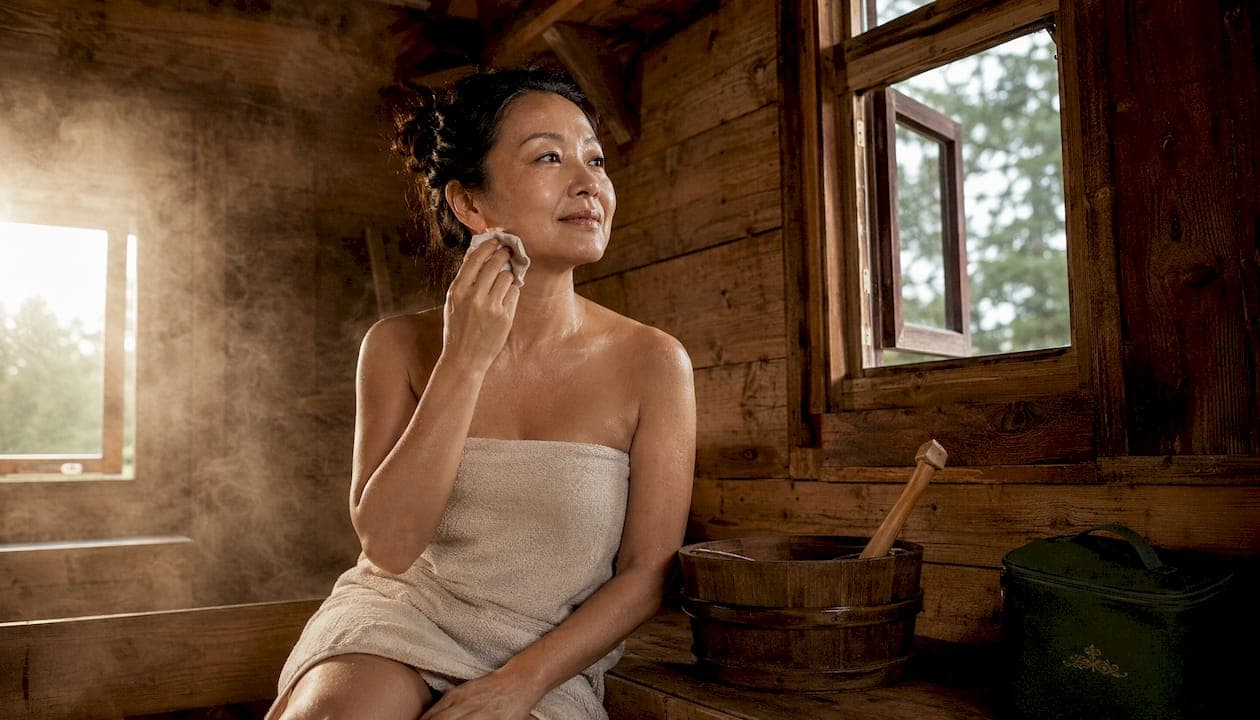
Regular sauna use genuinely benefits your skin, primarily by increasing blood circulation, activating cellular repair proteins, and lowering stress hormones. Heat delivers more oxygen and nutrients to skin cells, supporting a clearer, more luminous complexion over time. Sweating loosens surface debris and softens congestion, though it does not detoxify the body. A few important caveats apply:
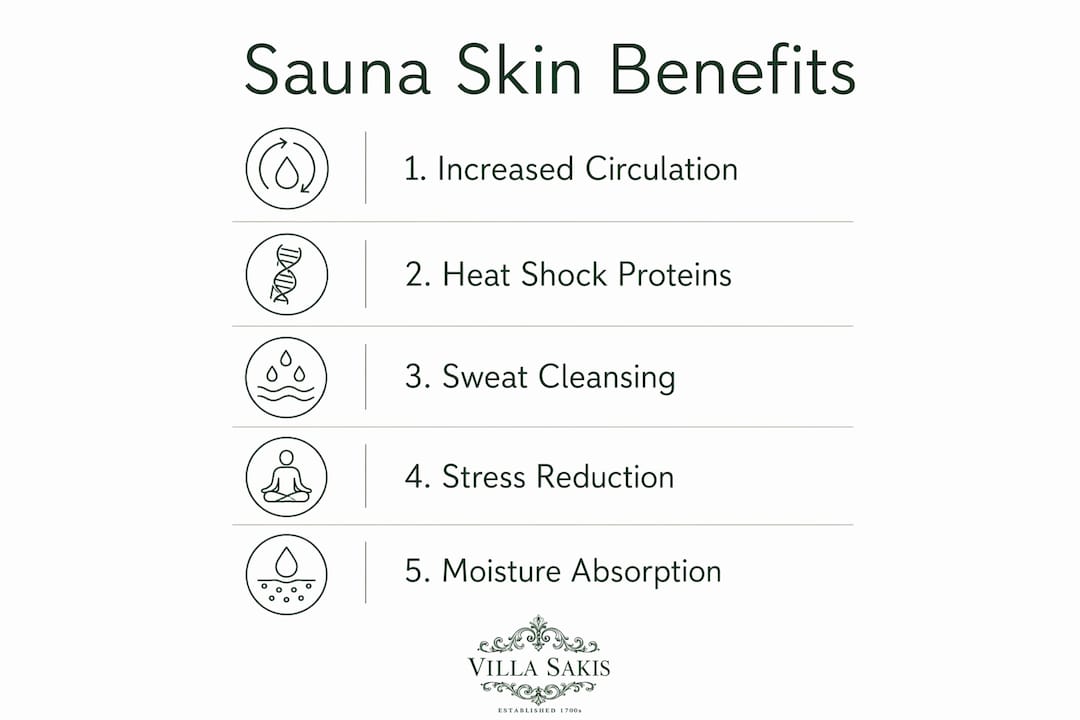
- Increased circulation delivers oxygen and nutrients, promoting cell turnover and a healthy glow
- Heat shock proteins triggered by heat act as cellular repair agents, improving skin resilience
- Sweating clears surface-level dirt but does not replace the liver and kidneys in detoxification
- Stress reduction from sauna sessions lowers cortisol, indirectly calming stress-sensitive skin conditions
- Rosacea, melasma, and eczema can flare with heat exposure; those conditions warrant caution
- Post-sauna hydration and gentle cleansing are non-negotiable for protecting your skin barrier
Table of Contents
- How sauna use actually improves your skin
- Who should be careful, and what to do about it
- The detox myth, and what sweating actually does
- The Villa Sakis sauna: where skin wellness meets Swedish tradition
- A restorative stay with a private sauna awaits at Villa Sakis
- Key Takeaways
How sauna use actually improves your skin
The science here is more grounded than most wellness trends. When your body temperature rises in a sauna, blood vessels dilate and circulation surges. That boost in blood flow delivers oxygen and nutrients to skin cells more efficiently, supporting healthy cell turnover and giving skin a temporary but real luminosity.
Heat also triggers heat shock proteins (HSPs), which function like repair crews at the cellular level. These proteins help skin recover faster from stressors like sun exposure and environmental irritation, building resilience over repeated sessions. With consistent use, many people notice softer fine lines and improved texture.
"The heat from a sauna dilates blood vessels and boosts circulation as you sweat. This boost in circulation helps deliver oxygen and nutrients to your skin, which in turn makes it look nice and glowy." — Dr. Deanne Mraz, board-certified dermatologist, via Cosmopolitan
Infrared saunas add another dimension. Unlike traditional dry-heat saunas, infrared wavelengths penetrate deeper into tissue, where they may reduce skin inflammation and stimulate collagen production. If your primary goal is skin-focused, an infrared model is worth seeking out. Stress reduction matters here too: regular sauna use lowers cortisol, and chronically elevated cortisol is a well-documented driver of acne and eczema flares.
Who should be careful, and what to do about it
Heat is not universally kind to skin. People with rosacea or melasma should approach saunas with real caution. Heat-triggered flare-ups are common with both conditions, and for melasma in particular, dermatologists often recommend skipping the sauna entirely. Eczema and highly reactive skin types can also see increased redness and barrier disruption after prolonged sessions.
Practical steps that make a meaningful difference:
- Cleanse your face thoroughly before entering. Makeup, sunscreen, and excess oil can embed into open pores during heat exposure, causing congestion and breakouts.
- Keep your hands away from your face. Touching warm, open pores with contaminated hands transfers bacteria and raises your breakout risk. Use a clean towel to blot sweat instead.
- Limit sessions to 10–20 minutes, especially when starting out. Dr. Deanne Mraz recommends beginning with under 10 minutes and gradually working up to 20–30 minutes a few times a week.
- Shower or gently cleanse immediately after. Leaving sweat on skin clogs pores and can trigger acne, even on skin that handles heat well.
- Restore your barrier with a moisturizer containing ceramides, glycerin, or hyaluronic acid while skin is still slightly warm and receptive.
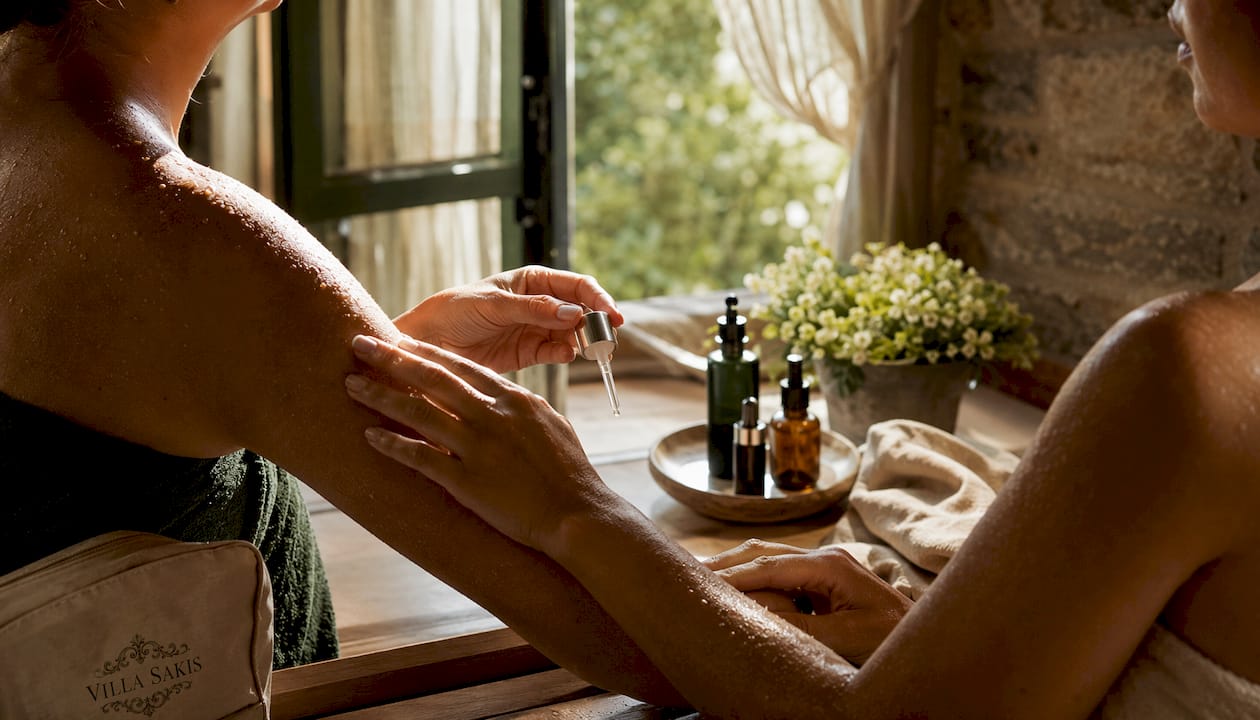
Pro Tip: Apply your hydrating serum within two minutes of stepping out of the sauna. Skin absorbs moisture most readily when it is still warm, making that window the most effective moment in your entire skincare routine.
The detox myth, and what sweating actually does
The idea that saunas "detox" your skin is persistent and largely inaccurate. Sweat is composed mostly of water and salt. Detoxification is handled by the liver and kidneys, not sweat glands, and no amount of time in a sauna changes that biology.
What sweating genuinely does is more modest but still useful. It rinses surface-level impurities, softens sebum plugs, and makes post-sauna cleansing more effective. Pores may appear temporarily clearer after a session, and skin often looks more radiant. These are real, if transient, effects.
The risk comes from misunderstanding them. If you skip cleansing because you assume sweat has "cleaned" your skin, you are doing the opposite: sweat mixed with oil and bacteria sitting on warm skin is a reliable recipe for breakouts. The glow is real; the detox is not. Cleanse promptly, hydrate well, and let the genuine benefits speak for themselves.
The Villa Sakis sauna: where skin wellness meets Swedish tradition
There is something quietly different about a sauna session at Villa Sakis, the historic 18th-century Swedish log farmhouse in Bergslagen. The private sauna here is not an amenity bolted onto a modern rental. It is part of a centuries-old rhythm of life, set within timber walls that have absorbed generations of use.
Guests have the entire farmhouse to themselves, which matters more than it might seem. Privacy removes the self-consciousness of a shared spa and lets you move at your own pace: a long session, a cool walk through the pine forest, a quiet return to the sauna. That unhurried cycle is precisely the kind of low-cortisol, restorative experience that benefits skin over time.
- The private sauna supports genuine wellness rituals without the noise of a hotel spa
- Direct access to meadows and forest offers a natural cool-down between sessions
- The self-catering kitchen makes post-sauna hydration and nourishment entirely your own
- The calm of the Swedish countryside slows everything down in a way that is good for your nervous system and, by extension, your skin
Pro Tip: Bring a simple post-sauna kit: a gentle cleanser, a hyaluronic acid serum, and a ceramide moisturizer. Apply the serum immediately after stepping out, then follow with the moisturizer once skin has cooled. The Swedish countryside vacation setting makes this feel less like a routine and more like a ritual.
A restorative stay with a private sauna awaits at Villa Sakis

For travelers who want the skin and wellness benefits of regular sauna use woven into a genuinely restorative trip, Villa Sakis offers something most rentals cannot: an authentic private sauna in a setting that has been quietly perfecting the art of slow, restorative living since the 1700s. No shared facilities, no schedules, no noise. Just the warmth of old timber, the stillness of the Swedish forest, and the time to actually feel the difference.
Check availability at Villa Sakis and reserve the farmhouse for your next wellness retreat.
Key Takeaways
Regular sauna use improves skin health through increased circulation, heat shock protein activation, and stress reduction, provided sessions are followed by proper cleansing and hydration.
| Point | Details |
|---|---|
| Circulation drives the glow | Heat dilates blood vessels, delivering oxygen and nutrients that support cell turnover and a clearer complexion. |
| Heat shock proteins repair skin | These cellular proteins, triggered by sauna heat, help skin recover faster from sun exposure and environmental stress. |
| Sweating is not detoxing | Sweat is mostly water and salt; the liver and kidneys handle detoxification, not your pores. |
| Post-sauna care is non-negotiable | Cleanse immediately after, then apply ceramides, glycerin, or hyaluronic acid to restore the skin barrier. |
| Villa Sakis offers the full experience | A private sauna in a historic Swedish farmhouse, surrounded by forest and meadows, for unhurried, skin-supportive wellness stays. |