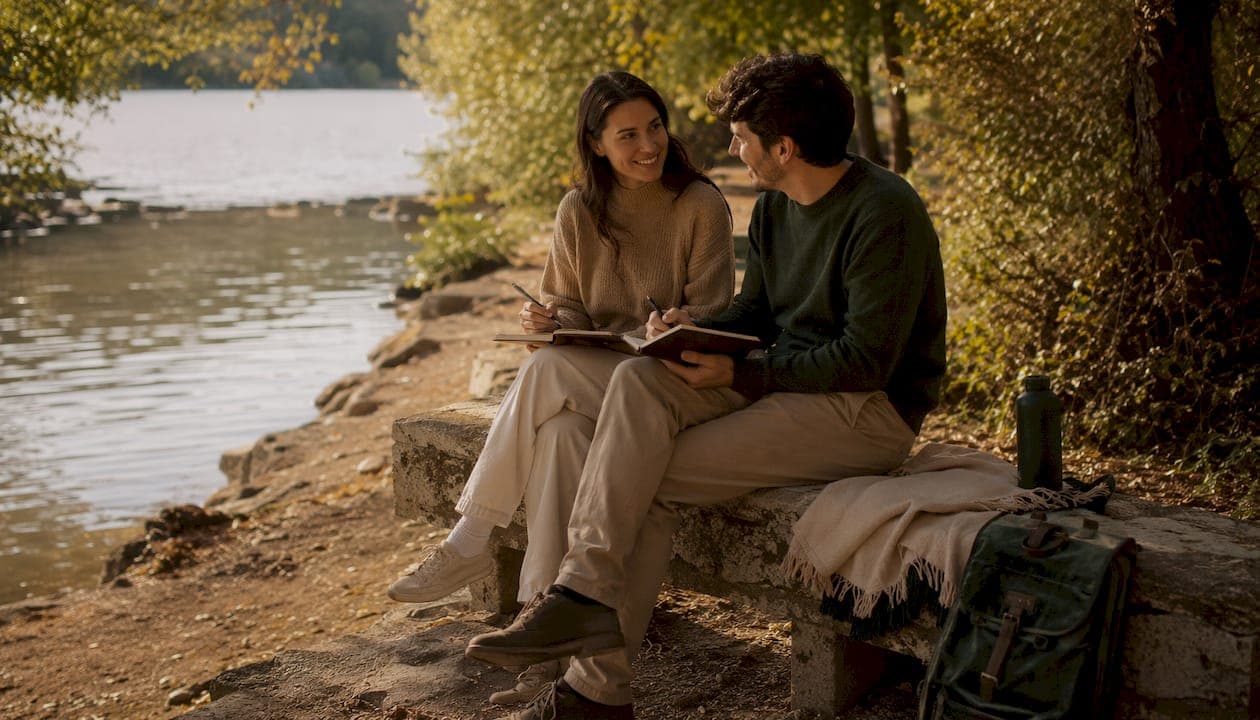
A couples communication retreat is a structured getaway where partners step away from daily noise to practice the skills that keep relationships healthy: active listening, honest expression, and the kind of slow, attentive conversation that ordinary life rarely allows. The goal is not to resolve every conflict in a weekend. Process skills over content fixes produce more durable change, which is why the best retreats teach couples how to talk, not just what to say.
Most couples arrive carrying the same quiet frustrations: feeling unheard, cycling through the same arguments, or simply drifting apart under the weight of routine. A well-designed retreat addresses all of this through frameworks like the Gottman Method and Emotionally Focused Therapy, both of which have decades of research behind them.
What a communication retreat typically sets out to do:
- Deepen emotional intimacy through guided vulnerability exercises
- Build conflict resolution skills that hold up after you return home
- Practice active listening and Nonviolent Communication in real time
- Create intentional space, free from phones and schedules, to actually hear each other
- Establish shared rituals and language couples can carry forward
Table of Contents
- What makes a couples communication retreat work?
- Why nature makes the difference in a relationship retreat
- How to prepare so your retreat actually delivers
- Villa Sakis: a retreat setting that does the quiet work for you
- What couples typically gain after a retreat
- How to choose the right retreat for your relationship
- Keeping the connection alive after you return home
- Key Takeaways
What makes a couples communication retreat work?
Structure and balance are the two qualities that separate a productive retreat from a long, uncomfortable weekend. Coaching retreats place couples in direct conversation with each other while a facilitator manages the process, not the content. That distinction matters: you do the talking, and you leave with skills you own.

The most effective retreats alternate communication work with genuine leisure. A 50/50 balance of structured exercises and relaxed, shared time prevents burnout and keeps both partners engaged rather than depleted.
Core components of a well-structured retreat:
- Session blocks: Guided exercises in active listening, soul gazing, and Nonviolent Communication
- CEO meetings: A scheduled, low-stakes check-in on relationship wellness, borrowed from the Gottman toolkit
- Private reflection time: Solo journaling before joint exercises deepens the quality of shared conversation
- Leisure woven throughout: Walks, meals, and unstructured time together are not filler; they are part of the work
- Format choice: Private retreats offer depth and confidentiality; small-group formats add the perspective of hearing other couples navigate similar terrain
Why nature makes the difference in a relationship retreat
The setting of a retreat is not incidental. Natural environments reduce stress hormones and lower emotional reactivity, which means couples arrive at difficult conversations with more capacity for openness rather than defensiveness. A forest, a lakefront, a meadow at dusk: these are not backdrops. They are active elements of the experience.
Secluded venues remove the ambient distractions of hotels and tourist areas, creating what wellness practitioners call intentional space. When there is nothing competing for your attention, attention naturally turns inward and toward each other.
What a nature-based setting provides:
- Lower cortisol levels, which reduce the likelihood of emotional flooding during hard conversations
- Physical distance from work, social media, and domestic obligations
- A slower rhythm that mirrors the pace of genuine reflection
- Sensory grounding through birdsong, open air, and natural light
How to prepare so your retreat actually delivers
Treating a communication retreat like professional development for your relationship is the mindset that produces the best outcomes. That means arriving with materials, intentions, and a shared agreement on ground rules, not just a cleared calendar.
Pro Tip: Before you leave home, each partner writes down two or three topics they genuinely want to address. Share the lists with each other, agree on which ones feel safe to open, and set a simple rule: no interrupting, no problem-solving until the other person feels heard. That five-minute conversation before the retreat saves hours of circling once you arrive.
Preparation steps worth taking:
- Choose a workbook grounded in evidence-based methods, such as one built on Gottman research, and read the relevant chapters before you go
- Clear your schedules completely, including email and social media, for the full duration
- Select a location that offers genuine privacy, not just a quiet room in a busy property
- Without structured tools, emotionally charged moments can derail a DIY retreat; scripted exercises serve as a neutral guide when conversations get hard
- Plan your schedule in advance, alternating work blocks with leisure, so neither partner has to manage logistics during the retreat itself
Villa Sakis: a retreat setting that does the quiet work for you
Some places simply make it easier to slow down. Villa Sakis, a historic 18th-century Swedish log farmhouse in the Bergslagen countryside, is one of them. The property sits within pine forest and open meadow, with lake access and a private sauna, and it has been cared for by generations of the same family. That continuity shows in the quality of the silence.
What Villa Sakis offers couples on a nature retreat:
- A private sauna for the kind of restorative stillness that softens the edges of a hard conversation
- Direct forest and meadow access for morning walks and unstructured reflection time
- A self-catering kitchen that turns shared meals into part of the retreat experience
- Authentic 1700s timber rooms that carry a sense of history and calm
- Complete privacy as a whole-house rental, with no other guests on the property
Pro Tip: Book Villa Sakis for a minimum of three nights. The first day is often spent decompressing. The real retreat begins on the second morning, when the quiet has had time to settle.
What couples typically gain after a retreat
The benefits of a well-designed communication retreat tend to show up not in the days immediately after, but in the weeks that follow, when old patterns surface and couples find they have new tools to meet them.
Common outcomes include a measurable reduction in reactive arguments, a greater willingness to name feelings before they escalate, and a shared vocabulary for discussing needs without blame. Couples who practice active listening exercises during a retreat report that the skill transfers: they catch themselves mid-conversation and shift their approach in ways they could not before.
Emotional intimacy tends to deepen as well. When partners feel genuinely heard, trust rebuilds in small increments, and those increments accumulate.
How to choose the right retreat for your relationship
The most important question to ask is whether the retreat teaches skills or simply provides a pleasant setting. A beautiful location without structure is a vacation. A structured program without privacy or peace can feel clinical. The best retreats offer both.
Questions worth asking before you book:
- Is the facilitator trained in an evidence-based framework such as Gottman Method or Emotionally Focused Therapy?
- Does the format offer genuine privacy, or will you be sharing vulnerable conversations in a group setting?
- Is the schedule balanced between guided work and unstructured time?
- What tools or materials do you take home?
Red flags to watch for: retreats that promise to resolve deep trauma in a single weekend, programs with no clear therapeutic framework, and venues that prioritize aesthetics over intentional design. Intimate venues that limit guest numbers tend to offer more personalized attention and a safer emotional environment.
Keeping the connection alive after you return home
The retreat is the beginning, not the resolution. The skills practiced over a weekend need regular repetition to become habits, and the intentional space you created together needs a smaller version built into ordinary life.
Practices that sustain retreat gains:
- Schedule a weekly CEO meeting: 20–30 minutes to check in on how each partner is feeling in the relationship, without agenda or problem-solving pressure
- Return to your workbook monthly, completing one or two exercises to maintain momentum
- Plan a shorter nature getaway every few months, even a single night, to recreate the conditions where open conversation comes more easily
- Use the Villa Sakis journal for reflection prompts and preparation ideas between retreats
The couples who sustain the most change are the ones who treat the retreat not as a one-time fix but as the first session of an ongoing practice.
Key Takeaways
A couples communication retreat works best when it combines structured skill-building with genuine rest, in a setting that removes distraction and invites emotional openness.
| Point | Details |
|---|---|
| Structure and balance matter | Alternating communication exercises with leisure prevents burnout and keeps both partners engaged. |
| Nature lowers emotional reactivity | Natural settings reduce stress hormones, making difficult conversations easier to approach with openness. |
| Preparation determines outcomes | Arriving with workbooks, clear intentions, and agreed ground rules produces measurably better results. |
| Skills outlast the weekend | Retreats teach communication processes, not quick fixes; those processes improve daily interactions for months. |
| Follow-up sustains the gains | Weekly check-ins and periodic nature getaways keep retreat-learned habits alive in ordinary life. |